Symptoms of High Prolactin: Causes, Ranges, and What to Do
High prolactin often means a medication effect, thyroid issue, or pituitary signal. Typical range is ~4–23 ng/mL. Retest at Quest, no referral needed.






High prolactin usually means your body is getting a “make more prolactin” signal, most often from certain medications, stress around the blood draw, low thyroid function, or (less commonly) a pituitary growth called a prolactinoma. Many people have no symptoms, but higher levels can disrupt periods and fertility, cause unexpected breast milk, or lower libido and testosterone. One result rarely tells the whole story, so your symptoms, your other hormones, and whether the number stays high on a repeat test matter. Prolactin is a hormone best known for supporting breast milk production after pregnancy, but it also interacts with your brain’s reproductive signaling. When prolactin is elevated, it can suppress gonadotropin-releasing hormone (GnRH), which can lower estrogen or testosterone downstream. In this guide, you’ll see the most common reasons prolactin runs high, what you might actually notice, and practical next steps—including how to set up a smarter retest and what companion labs can clarify the “why.” If you want help interpreting your exact pattern (your number, your medications, and your other labs), PocketMD can help you organize questions for your clinician.
Why Is Your Prolactin High?
Medications that raise prolactin
Several common drugs increase prolactin by changing dopamine signaling in the brain, which normally keeps prolactin “braked.” Antipsychotics are classic, but some antidepressants, nausea medications like metoclopramide, and opioids can also do it. If your prolactin rose after a new prescription or dose change, bring a full med list (including supplements) to your next visit before assuming it is a pituitary problem.
Stress, pain, exercise, or poor sleep
Prolactin can spike temporarily with physical or emotional stress, intense exercise, sexual activity, nipple stimulation, or even anxiety during a blood draw. This kind of elevation is often mild and may normalize when you repeat the test under calmer conditions. If your result is only slightly high, a carefully timed retest is often the fastest way to separate a true issue from a temporary surge.
Low thyroid function (hypothyroidism)
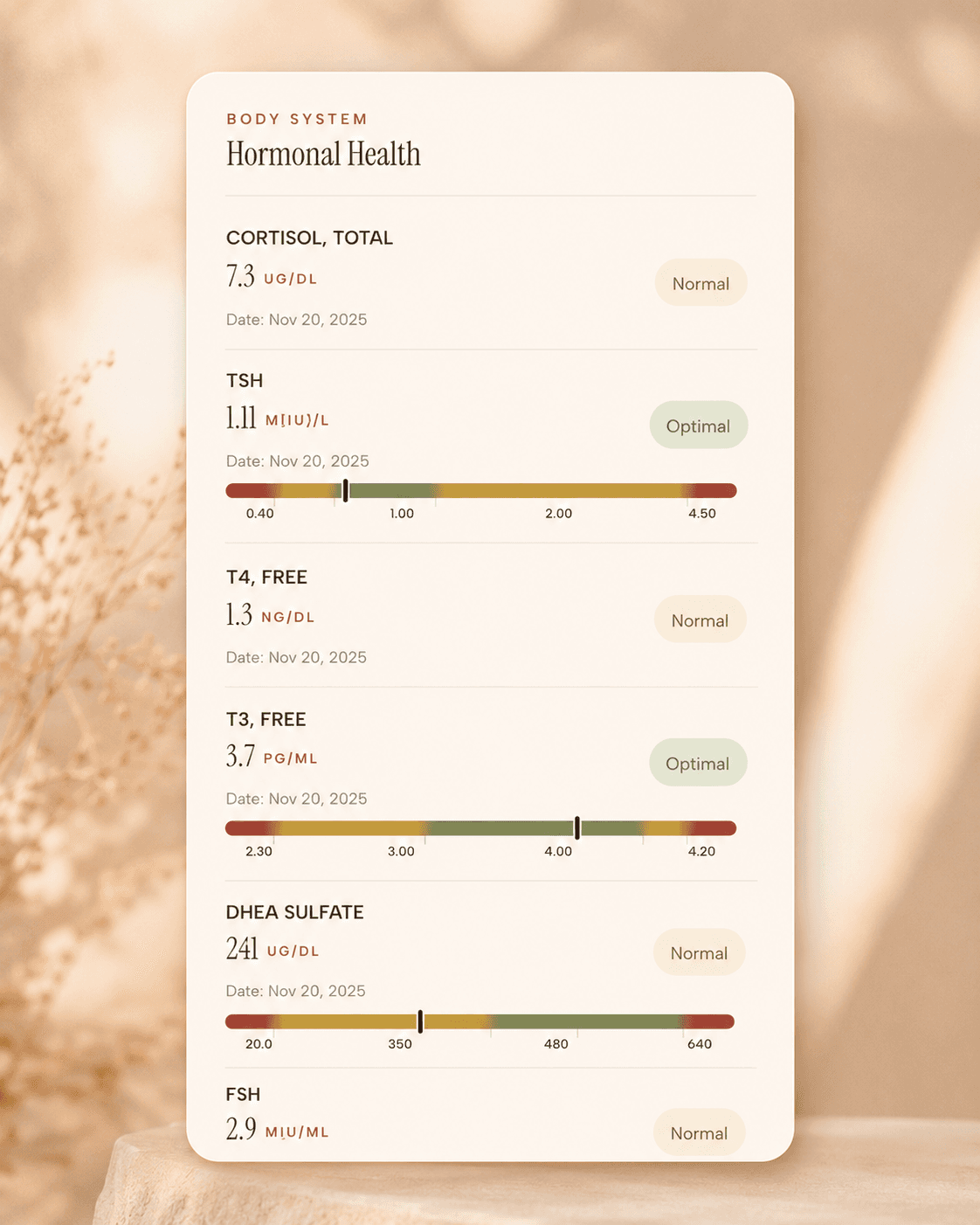
When your thyroid is underactive, your brain releases more TRH (thyrotropin-releasing hormone), and TRH can also stimulate prolactin release. That means a thyroid problem can look like a prolactin problem on paper. Checking TSH and free T4 alongside prolactin helps you avoid missing a treatable root cause.
Pituitary adenoma (prolactinoma) or stalk effect
A prolactinoma is a usually benign pituitary tumor that produces prolactin, and it can push levels much higher than typical “stress” elevations. Another pattern is “stalk effect,” where a non-prolactin pituitary mass interferes with dopamine reaching the pituitary, which removes the brake and raises prolactin. If your prolactin is persistently elevated—especially if it is very high—or you have headaches or vision changes, your clinician may consider repeat testing, macroprolactin evaluation, and sometimes pituitary imaging.
Pregnancy, postpartum, and breastfeeding
Prolactin rises naturally during pregnancy and stays elevated with breastfeeding because it is part of normal milk production. In that context, a “high” result is expected and usually not a sign of disease. If you are recently postpartum, your clinician may interpret your number differently or delay testing until it better reflects your baseline.
Other medical conditions (kidney or liver disease)
Prolactin is cleared and regulated through multiple pathways, and chronic kidney disease can reduce clearance, leading to higher levels. Some liver conditions and systemic illnesses can also be associated with elevated prolactin. These are usually interpreted in the context of other abnormal labs (like creatinine/eGFR or liver enzymes), not prolactin alone.
Normal level of prolactin
Reference intervals differ by laboratory, assay, age, and sex — use your report's own columns as primary.
| Measure | Typical range (adult, general) | Notes |
|---|---|---|
| Prolactin (serum) | Women (non-pregnant): ~4–23 ng/mL; Men: ~3–15 ng/mL | Ranges vary by lab and life stage (pregnancy/postpartum can be much higher). VitalsVault functional target is typically within your lab’s reference range and stable on repeat testing. |
What You Might Notice When Prolactin Is High
Unexpected breast milk or nipple discharge
Milk production outside of pregnancy or breastfeeding (galactorrhea) is one of the most recognizable signs of higher prolactin. It can be spontaneous or only appear with squeezing, and it can happen in women or men. It is not specific to tumors—medications and thyroid issues can cause it too—so the pattern and your other labs matter.
Irregular periods or missed periods
High prolactin can suppress the brain signals that trigger ovulation, which can make cycles longer, lighter, or absent (amenorrhea). If your periods changed around the same time as a high prolactin result, it is a clue that prolactin may be affecting your reproductive hormones. Tracking cycle changes and checking estrogen and gonadotropins can help clarify the mechanism.
Trouble getting pregnant
When ovulation is disrupted, fertility can drop even if you feel otherwise well. Some people only discover elevated prolactin during a fertility workup. If pregnancy is a goal, persistent high prolactin is worth addressing because treatment can restore ovulation in many cases.
Low libido or erectile dysfunction (more common in men)
Elevated prolactin can reduce testosterone by suppressing LH/FSH signaling, and lower testosterone can show up as reduced sex drive, erectile dysfunction, or fewer morning erections. This is why prolactin is often checked when testosterone is low or symptoms suggest hypogonadism. The combination of high prolactin plus low morning testosterone is more informative than either result alone.
Headaches or vision changes (uncommon, but important)
Most high prolactin results are not an emergency, but a pituitary mass can cause headaches or affect side vision by pressing on nearby structures. These symptoms do not prove a tumor, but they raise the urgency to get evaluated—especially if prolactin is markedly elevated or rising over time.
How to Bring Prolactin Back Toward Normal
Repeat the test under consistent conditions
Because prolactin is sensitive to stress and timing, a repeat draw can be the most practical “intervention.” Ask for a morning test, rest quietly for 15–30 minutes beforehand, and avoid intense exercise, sex, and nipple stimulation the day before if your clinician agrees. If the repeat is normal, you may not need an extensive workup.
Review medications with your prescriber
If a medication is a likely driver, do not stop it on your own, but do ask whether a dose change or alternative is reasonable. In some cases, switching to a different drug in the same class can lower prolactin while still treating the original condition. Your goal is a plan that balances symptom control with hormone health.
Check and treat thyroid problems
If TSH is high and free T4 is low or borderline, treating hypothyroidism can bring prolactin down because it removes the TRH-driven stimulus. This is one of the more straightforward, fixable causes. After thyroid treatment starts, prolactin is often rechecked in weeks to a few months to confirm it is trending the right way.
Reduce the “background” stress load
This is not about generic wellness; it is about avoiding avoidable prolactin spikes that can confuse your trend. Prioritize sleep consistency for a couple of weeks before retesting, and avoid overreaching training blocks if you are already run down. If your prolactin is mildly high, these changes can help you see whether the elevation is persistent or situational.
Follow through on evaluation if levels are clearly high
When prolactin stays elevated on repeat testing—especially if it is substantially above the reference range—your clinician may order tests like macroprolactin (to rule out a less clinically active form) and consider pituitary imaging. If a prolactinoma is diagnosed, prescription dopamine agonists are often very effective at lowering prolactin and improving symptoms. The key is not to “self-treat” a persistent elevation without confirming the cause.
Other Tests That Give Context to High Prolactin
TSH
TSH is the master regulator of thyroid function, controlling the production of thyroid hormones T4 and T3. In functional medicine, we use narrower TSH ranges than conventional medicine to identify subclinical thyroid dysfunction early. Even mildly elevated TSH can indicate thyroid insufficiency, leading to fatigue, weight gain, depression, and metabolic dysfunction. TSH levels are influenced by stress, nutrient deficiencies, autoimmune conditions, and environmental toxins. Optimal TSH supports energy, metabolism…
Learn moreTestosterone, Total, Ms
Total testosterone is the primary male sex hormone responsible for muscle mass, bone density, libido, energy levels, and cognitive function. In functional medicine, we recognize testosterone as a key marker of vitality and aging. Low testosterone (hypogonadism) affects up to 40% of men over 45 and is linked to metabolic syndrome, cardiovascular disease, depression, and reduced quality of life. Optimal testosterone levels support healthy body composition, sexual function, motivation, and overall masculine vitalit…
Learn moreEstradiol
Estradiol in men is produced from testosterone via aromatase enzyme. In functional medicine, we recognize that men need optimal estradiol levels for bone health, cognitive function, and cardiovascular protection. However, excessive estradiol can suppress testosterone production and cause feminizing effects. The testosterone-to-estradiol ratio is crucial for male health, with optimal balance supporting vitality while preventing estrogen dominance. Balanced estradiol levels in men support bone health and cognitive…
Learn moreLab testing
Want to retest prolactin and check key companion hormones at Quest? Track your trend with a starting from $99 panel with 100+ tests
no referral needed
About 1 week
Schedule online — results typically within a week
Clear next steps
Guidance included, with follow-up care available
HSA / FSA
Eligible for pre-tax health spending accounts
Pro Tips
If your prolactin is only mildly high, ask your clinician whether you can repeat it as a fasting morning draw after sitting quietly for 15–30 minutes, because stress and activity can inflate the number.
Avoid nipple stimulation, sexual activity, and very intense workouts the day before your retest if your clinician agrees, since each can transiently raise prolactin.
If you take an antipsychotic, antidepressant, opioid, or metoclopramide, write down the exact dose and start date; that timeline is often the fastest clue to the cause.
If your report mentions “macroprolactin,” ask whether the lab measured it or whether you need a separate macroprolactin screen, because macroprolactin can raise the number without the same symptom impact.
Trend matters: a stable, slightly high prolactin with normal thyroid tests and no symptoms is usually handled differently than a rising value or a high value plus low sex hormones.
When to see a doctor
If your prolactin stays above the reference range on two morning tests, if it is markedly elevated (often discussed as >50–100 ng/mL depending on the lab and context), or if you have galactorrhea, missed periods, infertility, low libido/ED, headaches, or vision changes, schedule a medical evaluation. Persistent elevation is where your clinician may check thyroid function, review medications, consider macroprolactin testing, and decide whether pituitary imaging is appropriate. Tracking prolactin alongside thyroid markers and sex hormones helps put one abnormal number into a clearer whole-body pattern.
Frequently Asked Questions
Is high prolactin dangerous?
High prolactin is often not dangerous by itself, especially when it is only mildly elevated and caused by stress or a medication. The main risks are hormone disruption (irregular periods, infertility, low testosterone) and, less commonly, an underlying pituitary tumor. The safest next step is usually a repeat morning test plus thyroid and sex-hormone context.
Can stress or anxiety cause high prolactin on a blood test?
Yes. Prolactin can rise with acute stress, pain, poor sleep, and even anxiety during the blood draw, which can create a one-off high result. If your elevation is mild, repeating the test in the morning after resting quietly can help confirm whether it is persistent.
What level of prolactin suggests a prolactinoma?
There is no single cutoff that diagnoses a prolactinoma, but very high levels are more suggestive than mild elevations. Clinicians often become more suspicious as values move well above the reference range (commonly discussed as >100–200 ng/mL), especially if the elevation is persistent and symptoms are present. Your clinician may also consider macroprolactin testing and pituitary imaging based on the full picture.
Can high prolactin cause weight gain?
High prolactin is not a direct “weight gain hormone,” but it can be associated with conditions that affect weight, such as hypothyroidism or low sex hormones. Some medications that raise prolactin can also influence appetite and metabolism. If weight changes are part of your story, checking TSH/free T4 and reviewing meds is usually more informative than prolactin alone.
How quickly can prolactin go down?
If the cause is temporary (stress, recent exercise, nipple stimulation), prolactin can normalize within days, which is why a repeat test is useful. If the cause is hypothyroidism, improvement may take weeks after thyroid treatment begins. If a prolactinoma is treated with a dopamine agonist, prolactin often drops substantially within weeks, with symptom improvement following over time.