Syphilis Symptoms in Females: What They Look Like and When to Test
Syphilis symptoms in females often start as a painless sore, then a body rash or flu-like phase, and later nerve issues. Targeted labs—no referral needed.





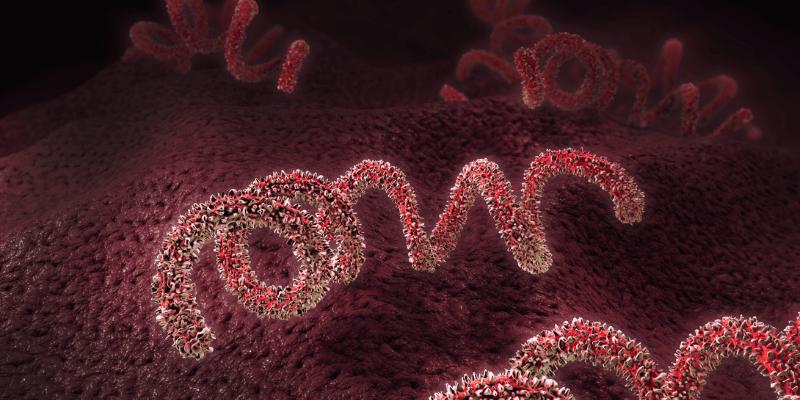
Syphilis symptoms in females often start with a painless sore on the vulva, vagina, cervix, or mouth, then shift weeks later into a rash or “flu-like” phase, and sometimes disappear for months even though the infection is still in your body. Because the stages can look like yeast, shaving irritation, eczema, or a random virus, blood tests are usually the clearest way to confirm what’s going on and where you are in the timeline. If you’re pregnant (or might be), this matters even more because untreated syphilis can pass to a baby and cause serious complications, even when you feel fine. The good news is that syphilis is very treatable once it’s identified, and the right test pattern can help your clinician choose the right treatment and follow-up. This guide walks you through what symptoms can look like at each stage, what else can mimic them, and how testing and treatment usually work. If you want help sorting your specific symptoms and timing, PocketMD can help you think it through, and Vitals Vault labs can help you get the key tests done without a referral.
Why syphilis symptoms can be easy to miss
A painless sore you overlook
Early syphilis often causes a single firm sore that does not hurt, which is why it can slip under the radar. In females, it can hide on the cervix or inside the vagina, so you may only notice light spotting, a new discharge, or swollen groin nodes. If you had unprotected sex and notice any new sore that lasts more than a few days, treat it as “test-worthy,” even if it is not painful.
A rash that looks harmless
Weeks after the sore, syphilis can trigger a widespread rash as your immune system reacts to the infection spreading through your bloodstream. It can show up on your trunk and also on your palms or soles, which is a clue people often miss because those areas do not usually rash from allergies. If you have a new rash plus fatigue, sore throat, or swollen nodes, it is worth asking for syphilis testing rather than assuming it is “just a virus.”
Symptoms fade but infection stays
Syphilis can enter a quiet phase where you feel normal, even though the bacteria are still in your body and can still be passed to partners. This is the stage that creates the most confusion because you may think the problem “resolved,” while a blood test stays positive. If you had a suspicious sore or rash in the past year and never tested, testing now can still catch it and prevent long-term complications.
Pregnancy changes the stakes
Pregnancy does not cause syphilis, but it can make the consequences more urgent because the infection can cross the placenta at any stage. You might have no symptoms at all and still have an infection that threatens the pregnancy or the baby’s health. If you are pregnant, do not wait for symptoms to decide—screening is the safer approach, and treatment during pregnancy is highly effective when done promptly.
Other infections mimic the signs
A “syphilis-like” sore can also be caused by herpes, a tear from sex, or irritation from hair removal, and a rash can be from medications or other viral illnesses. The difference is that syphilis is often painless and tends to follow a timeline of sore first, then rash later, with symptoms that come and go. If you are unsure, the most practical takeaway is to test rather than guess, because the treatment and partner steps are different for each cause.
What actually helps right now
Get tested with the right pair
Syphilis is usually confirmed with two types of blood tests: a screening test that can rise and fall with treatment, and a confirmatory antibody test that tends to stay positive long-term. This pairing matters because it helps tell “current infection” from “past treated infection,” which changes what you do next. If you only get one test, you can end up with an answer that is technically true but not very useful.
Treat quickly if positive
The standard treatment is penicillin (benzathine penicillin G), and the number of doses depends on the stage and how long you may have had it. After treatment, you should expect follow-up blood testing to make sure the activity level drops over time, which is how clinicians confirm the infection is responding. If you are allergic to penicillin and pregnant, you usually still need penicillin through a supervised desensitization process because it is the best-proven option for protecting the baby.
Tell partners and pause sex
Syphilis spreads through direct contact with a sore, and you can pass it even when symptoms are subtle. Letting recent partners know is not about blame; it is how you stop the ping-pong cycle where you get treated and then get re-exposed. Most clinicians recommend avoiding sex until treatment is completed and you have clear guidance on when it is safe to resume.
Get checked for other STIs
If you have syphilis, it is smart to test for HIV and other common STIs because they share risk factors and can change follow-up plans. This is not a moral judgment; it is a practical way to avoid missing something that needs treatment or monitoring. Ask for a plan that includes repeat testing if your exposure was recent, because some infections have a window period before tests turn positive.
Know when symptoms need urgent care
If you develop severe headache, vision changes, new hearing problems, facial weakness, confusion, or trouble walking, do not wait for a routine appointment because syphilis can involve the brain and nerves (neurosyphilis). These symptoms do not mean you “definitely” have that complication, but they are serious enough that you should be evaluated quickly. The same goes for pregnancy with decreased fetal movement, bleeding, or severe abdominal pain—get urgent obstetric care.
Useful biomarkers to discuss with your clinician
White Blood Cell Count
White blood cell count (WBC) measures the total number of immune cells and is fundamental for assessing immune system health. In functional medicine, WBC count reflects immune system activity, infection status, and overall health resilience. Low WBC may indicate immunosuppression, nutritional deficiencies, or bone marrow dysfunction. High WBC suggests infection, inflammation, stress, or hematologic conditions. The WBC differential provides detailed information about specific immune cell types and their functions…
Learn moreReactive Lymphocytes
Reactive (atypical) lymphocytes are activated lymphocytes that appear larger and more irregular than normal lymphocytes. In functional medicine, reactive lymphocytes indicate active immune response to infections, particularly viral infections like EBV, CMV, or other viruses. Their presence suggests ongoing immune activation and can help identify viral infections versus bacterial infections. Persistent reactive lymphocytes may indicate chronic viral infections or ongoing immune stimulation. Reactive lymphocytes i…
Learn moreHs Crp
High-sensitivity C-reactive protein (hs-CRP) is a key marker of systemic inflammation and cardiovascular risk. In functional medicine, we recognize hs-CRP as one of the most important predictors of heart disease, stroke, and metabolic dysfunction. Levels above 1.0 mg/L indicate increased inflammation that may be driven by poor diet, chronic infections, autoimmune conditions, or metabolic syndrome. Optimal levels below 0.5 mg/L are associated with the lowest cardiovascular risk and overall inflammatory burden. hs…
Learn moreLab testing
Get an RPR and treponemal antibody test checked at Quest
starting from $99 panel with 100+ tests, one visit
No referral needed
About 1 week
Schedule online — results typically within a week
Clear next steps
Guidance included, with follow-up care available
HSA / FSA
Eligible for pre-tax health spending accounts

Pro Tips
If you have a new genital sore, take a clear photo in good light on day 1 and again 48 hours later. Syphilis sores often look “clean” and firm rather than blistered, and having a timeline helps your clinician even if the sore heals before your visit.
When you book testing, tell the clinic how long it has been since the exposure you are worried about. Syphilis blood tests can be negative very early, so a repeat test at the right interval can be the difference between reassurance and a missed infection.
If you are pregnant, ask whether you need repeat syphilis screening later in pregnancy even if your first test was negative. In many settings, rescreening in the third trimester is recommended when risk is ongoing.
If you are treated, write down your RPR titer and the date it was drawn. That single number is what makes follow-up meaningful, because your next titer is compared to it to confirm the expected drop.
Avoid self-treating a genital sore with leftover antibiotics or steroid creams. Antibiotics can partially suppress symptoms without curing syphilis, and steroid creams can make some infections look temporarily “better,” which delays the right diagnosis.
Frequently Asked Questions
What are the first signs of syphilis in females?
The first sign is often a single painless sore at the site of contact, which can be on the vulva, inside the vagina, on the cervix, or in the mouth. Because it may not hurt and may be hidden, you might only notice swollen groin nodes or mild spotting. If you notice any new sore that lasts more than a few days after a sexual exposure, schedule syphilis testing rather than waiting for it to go away.
Can you have syphilis and not know it?
Yes. Symptoms can be mild, painless, or come and go, and syphilis can enter a quiet phase where you feel normal while the infection persists. That is why blood testing is so important if you had a risk exposure, even if you feel fine now. If you never tested after a suspicious sore or rash, testing now can still catch it.
What does a syphilis rash look like on a woman?
It is often a widespread, non-itchy rash that can look like faint red or coppery spots, and it may involve the palms of your hands or the soles of your feet. Some people also get patchy hair loss or flat, moist lesions in skin folds. If you have a new unexplained rash plus fatigue or swollen nodes, ask specifically for syphilis testing so it is not missed.
How soon after exposure can a blood test detect syphilis?
Blood tests can be negative very early, especially in the first couple of weeks after exposure, because your immune system needs time to make detectable antibodies. Many clinicians repeat testing if the first test is negative but your exposure was recent or your symptoms strongly fit the timeline. If you can, share the date of exposure and the date symptoms started so your testing plan is timed well.
What happens if you have syphilis while pregnant?
Syphilis can cross the placenta and cause serious pregnancy and newborn complications even if you have no symptoms, which is why screening is routine in pregnancy. The proven treatment during pregnancy is penicillin (benzathine penicillin G), and prompt treatment greatly reduces risk to the baby. If you are pregnant and think you were exposed, contact your prenatal clinician right away and ask for syphilis testing and a clear follow-up plan.