Hot Flashes in Your 40s: What They Mean and What Helps
Hot flashes in your 40s often come from perimenopause hormone shifts, thyroid overactivity, or medication effects. Targeted labs—no referral needed.



Hot flashes in your 40s are most often a sign that your hormones are shifting in perimenopause, which makes your brain’s temperature control center (hypothalamus) overreact to small changes. They can also be triggered or amplified by an overactive thyroid, certain medications, alcohol, or sleep disruption that keeps your stress hormones high. A few targeted blood tests can help sort out which pattern fits you, especially when your periods are still happening and the picture feels confusing. If you’re dealing with sudden waves of heat, sweating, and that “please don’t let anyone notice” feeling, you’re not being dramatic—your body is genuinely flipping into a heat-dump mode. In your 40s, this symptom is common but not one-size-fits-all, which is why some people improve with simple trigger changes while others need prescription help. This guide walks you through the most likely causes, what actually works (including non-hormonal options if hormones aren’t right for you), and which labs can clarify the story. If you want help connecting your exact symptoms and history, PocketMD can help you think it through, and Vitals Vault labs can help you confirm what your body is doing.
Why hot flashes show up in your 40s
Perimenopause hormone swings
In your 40s, estrogen and progesterone can rise and fall unpredictably even if you’re still getting periods, and those swings can make your brain’s thermostat trigger a heat-release response too easily. That is why a small stressor—like a warm room or a glass of wine—can suddenly feel like a full-body furnace. A practical clue is timing: if flashes cluster in the week before your period or your cycles are changing, perimenopause moves higher on the list.
Your brain’s thermostat gets sensitive
Hot flashes are not just “feeling warm.” Your brain narrows the comfortable temperature zone, so tiny internal changes set off sweating and skin blood flow as if you need emergency cooling. You might notice a rush in your chest and face first, then chills afterward when your body overshoots. If you can catch the earliest seconds, slow breathing and stepping into cooler air can sometimes shorten the episode because you interrupt the stress surge that fuels it.
Overactive thyroid (hyperthyroidism)
If your thyroid is running fast, your baseline metabolism is higher, which means you generate more heat and your heart may feel like it is revving even when you are sitting still. That can mimic or worsen hot flashes, and it often comes with extra clues like tremor, frequent bowel movements, unexplained weight loss, or heat intolerance all day long. This is one reason a simple TSH test is so useful when hot flashes start “out of nowhere” in your 40s.
Medication or hormone treatment effects
Some antidepressants, opioid pain medicines, steroids, and even changes in birth control can shift the chemicals that help regulate temperature and sweating. Breast cancer treatments that block estrogen, such as aromatase inhibitors or tamoxifen, are especially well-known for provoking intense hot flashes because they remove estrogen’s stabilizing effect. If your flashes began within a few weeks of starting, stopping, or changing a medication, bring that timeline to your clinician because a dose tweak or alternative can make a big difference.
Sleep loss and stress hormone surges
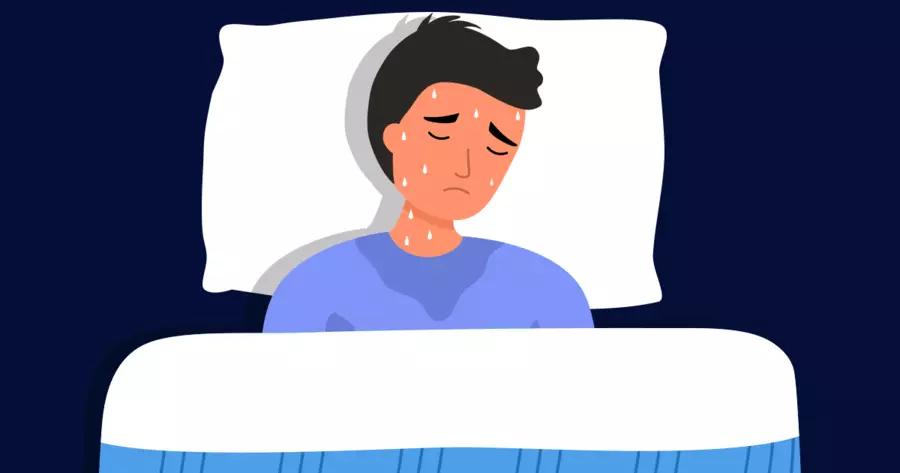
When you are sleeping poorly, your stress system stays more active at night, and that makes your body more likely to flip into sweating and adrenaline spikes. The result can look like “random” night sweats that then spill into daytime hot flashes, especially if you are also anxious or waking at 3 a.m. If you are soaking the sheets plus feeling sick, feverish, or losing weight without trying, that is a different pattern and it is worth getting checked promptly rather than assuming it is hormones.
What actually helps with hot flashes
Use a two-week trigger experiment
Instead of trying to change everything at once, pick one likely trigger and test it for 14 days so you can tell what truly helps. Many people find the biggest wins come from alcohol at night, spicy meals, or overheating during workouts, but your pattern may be different. Write down the time, intensity from 1–10, and what happened in the 30 minutes before, and you will usually see repeatable connections.
Cool your body on purpose
Because hot flashes are a fast heat-dump response, quick cooling works better than vague “stay cool” advice. Keep a small fan by your bed, use breathable layers you can peel off quickly, and try a cool pack on the back of your neck when a flash starts. If night sweats are the main issue, lowering bedroom temperature by even 1–2°C and switching to moisture-wicking sleepwear can reduce wake-ups.
Non-hormonal prescription options
If hormones are not a good fit for you—or you simply want to try something else first—there are medications that can reduce hot flash frequency and intensity. Low-dose SSRIs or SNRIs, gabapentin at night, and the newer neurokinin-3 receptor blocker fezolinetant are all used for vasomotor symptoms. The best choice depends on your sleep, mood, blood pressure, and other meds, so it helps to go in with your top goal: fewer flashes, better sleep, or both.
Hormone therapy when appropriate
For many healthy people in early menopause transition, estrogen-based therapy is the most effective treatment for hot flashes, and it often improves sleep and daytime functioning quickly. The details matter, though: if you still have a uterus, you usually need progesterone to protect the uterine lining, and the route (patch vs pill) can change side effects and clot risk. If you have a history of estrogen-sensitive cancer or blood clots, ask specifically about non-hormonal options and specialist input rather than guessing.
Treat the underlying thyroid issue
If labs suggest hyperthyroidism, treating it often calms heat intolerance and sweating because you are turning down the body’s metabolic “furnace.” Sometimes the fix is medication, and sometimes it is addressing thyroid inflammation or nodules, but the key is that hot flashes improve when the thyroid is controlled. If you have hot flashes plus a racing heart, shakiness, or new exercise intolerance, prioritize thyroid testing instead of assuming it is only perimenopause.
Useful biomarkers to discuss with your clinician
TSH
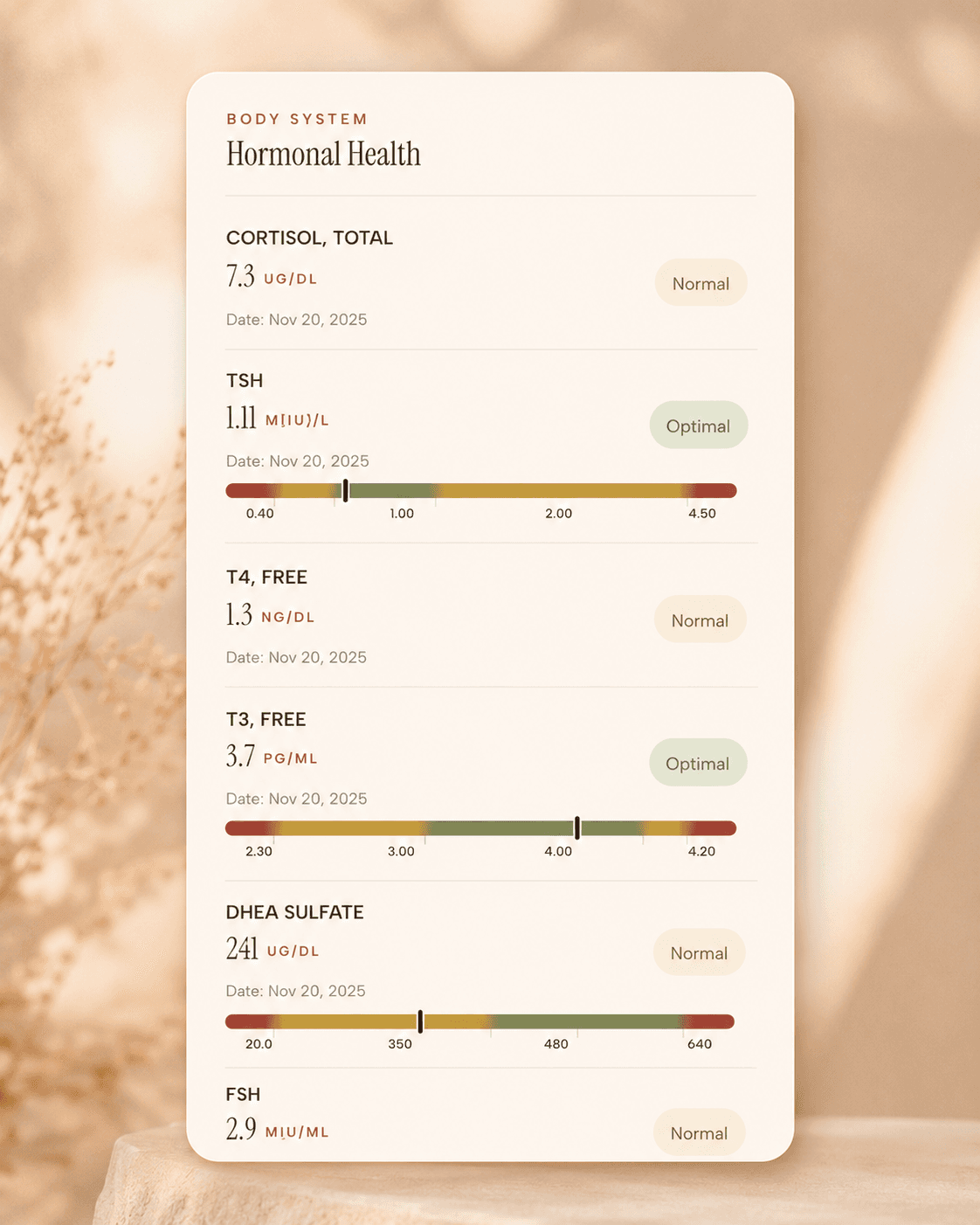
TSH is the master regulator of thyroid function, controlling the production of thyroid hormones T4 and T3. In functional medicine, we use narrower TSH ranges than conventional medicine to identify subclinical thyroid dysfunction early. Even mildly elevated TSH can indicate thyroid insufficiency, leading to fatigue, weight gain, depression, and metabolic dysfunction. TSH levels are influenced by stress, nutrient deficiencies, autoimmune conditions, and environmental toxins. Optimal TSH supports energy, metabolism…
Learn moreEstradiol
Estradiol in men is produced from testosterone via aromatase enzyme. In functional medicine, we recognize that men need optimal estradiol levels for bone health, cognitive function, and cardiovascular protection. However, excessive estradiol can suppress testosterone production and cause feminizing effects. The testosterone-to-estradiol ratio is crucial for male health, with optimal balance supporting vitality while preventing estrogen dominance. Balanced estradiol levels in men support bone health and cognitive…
Learn moreProgesterone
While primarily known as a female hormone, progesterone plays important roles in men including neuroprotection, sleep quality, and as a precursor to other hormones. In functional medicine, male progesterone assessment helps evaluate overall hormone synthesis pathways and stress response. Low progesterone in men may indicate chronic stress or adrenal dysfunction, while optimal levels support brain health and sleep quality. Progesterone in men supports neurological health, sleep quality, and serves as a building b…
Learn moreLab testing
Get TSH, FSH, and estradiol checked at Quest
starting from $99 panel with 100+ tests, one visit
No referral needed
About 1 week
Schedule online — results typically within a week
Clear next steps
Guidance included, with follow-up care available
HSA / FSA
Eligible for pre-tax health spending accounts
Pro Tips
Try the “30-minute rewind” method: when a flash hits, jot what happened in the previous 30 minutes (food, drink, stress, temperature, workout), because the trigger is usually close in time.
If night sweats wake you, keep a spare T-shirt and a towel within arm’s reach so you can change fast and get back to sleep instead of fully waking up and spiraling.
If you drink alcohol, run a clean experiment by cutting it only after 6 p.m. for two weeks; many people are surprised how much this changes night sweats without giving up social life entirely.
When a flash starts, breathe out longer than you breathe in for one minute (for example, in for 4 seconds and out for 6–8), because it can blunt the adrenaline spike that keeps the heat wave going.
If you are on tamoxifen or an aromatase inhibitor, ask specifically about non-hormonal hot flash treatments and drug interactions before trying supplements, because “natural” does not always mean compatible.
Frequently Asked Questions
Are hot flashes in your 40s always perimenopause?
No. Perimenopause is the most common reason, but thyroid overactivity, medication changes, alcohol, and chronic sleep disruption can cause the same heat-and-sweat pattern. If your hot flashes started suddenly or you also have a racing heart, tremor, or unexplained weight loss, checking a TSH is a smart first step.
Can you have hot flashes while still having periods?
Yes, and it is extremely common in perimenopause because your hormones can swing wildly even when you still bleed monthly. You might notice flashes cluster before your period or after a skipped cycle, which is your body reacting to sharper hormone drops. Tracking symptoms across two cycles often makes the pattern obvious.
What’s the difference between a hot flash and anxiety?
They can overlap, because both can involve adrenaline, sweating, and a racing heart. Hot flashes often start as a rising heat in the chest/face with flushing and then chills afterward, while anxiety episodes are more tied to worry, fear, or a sense of doom. If you are unsure, logging what you felt first and checking basics like TSH can help separate the drivers.
Which blood tests help with hot flashes in your 40s?
TSH helps rule in or out a thyroid-driven overheating pattern, while estradiol and FSH can support the picture of perimenopause when symptoms and cycle changes are pointing that way. Because estradiol and FSH can bounce around, repeating them can be more useful than obsessing over one result. Bring your cycle day and any hormonal medications to the discussion so the numbers are interpreted correctly.
What is the fastest way to stop a hot flash once it starts?
Fast cooling plus calming your nervous system works best: step into cooler air, use a fan, and put a cool pack on your neck or wrists while you slow your breathing for 60 seconds. Chugging ice water is less reliable because the flash is driven by your brain’s thermostat, not just skin temperature. If flashes are frequent enough to disrupt sleep or work, it is worth discussing preventive options rather than fighting each episode.