Low Libido in Your 20s: What It Means and What Helps
Low libido in your 20s often comes from stress and sleep loss, antidepressant side effects, or hormone shifts. Targeted labs available—no referral needed.






Low libido in your 20s is usually your body protecting energy and attention for “survival mode,” which can happen with chronic stress and poor sleep, medication side effects (especially antidepressants), or hormone and thyroid shifts. It can also show up when sex starts feeling pressured, painful, or emotionally complicated, even if you still love your partner. A few targeted labs can help you sort out whether this is more about hormones, thyroid function, or something else you can change. This is a frustrating symptom because it can feel personal, but libido is mostly biology plus context. Your brain is constantly weighing safety, stress, novelty, connection, and physical comfort, and it will downshift desire if any of those inputs are off. The good news is that low desire in your 20s is often reversible once you identify the “brake” that is on. If you want help thinking through your specific pattern, PocketMD can help you map symptoms to likely causes, and Vitals Vault labs can give you objective data when guessing is not working.
Why your sex drive drops in your 20s
Stress and sleep shut desire down
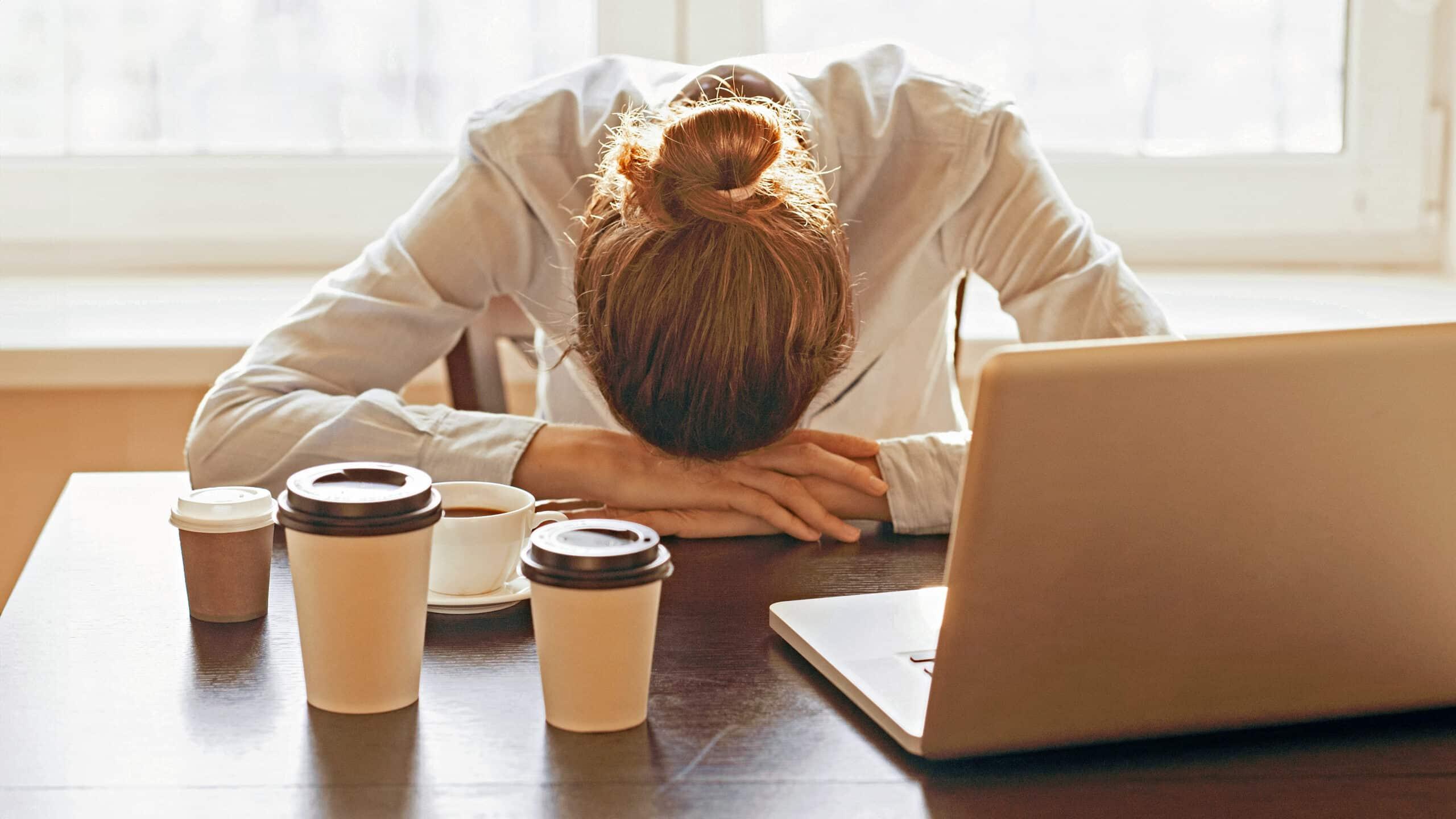
When you are stressed or underslept, your body prioritizes staying alert over feeling turned on. Stress hormones can blunt the “reward” signals that normally make flirtation and touch feel motivating, and poor sleep can lower morning hormones that support libido. If your desire is better on vacation or after a few solid nights, that pattern is a clue that recovery time is part of the fix.
Antidepressants and other meds
Many antidepressants, especially SSRIs and SNRIs, can make it harder to feel desire, get aroused, or orgasm, even when your mood is better. Hormonal birth control can also affect libido for some people, and acne treatments, blood pressure meds, and opioids can contribute too. The takeaway is not “stop your meds,” but to bring it up directly, because dose changes, timing changes, or a different medication can sometimes help a lot.
Low testosterone or low estrogen
Testosterone supports sexual interest in all genders, and estrogen supports comfort and arousal for many people with ovaries. If levels are low for you, sex can feel like a chore because your body is not giving you that “pull” toward it, and you might also notice fewer spontaneous fantasies or weaker physical response. This is one of the situations where labs are genuinely useful, because symptoms alone cannot tell you whether hormones are the main driver.
High prolactin (hyperprolactinemia)
Prolactin is a hormone that rises after orgasm and during breastfeeding, and when it is chronically high it can suppress the hormones that support libido. You might notice lower desire along with irregular periods, nipple discharge, headaches, or erectile changes, although some people have only low libido. A single blood test can flag this, and if it is elevated your clinician usually repeats it and looks for a cause such as medication effects or a pituitary issue.
Pain, dryness, or performance pressure
If sex hurts, feels dry, or reliably leads to anxiety about “finishing” or staying hard, your brain learns to associate sex with stress instead of pleasure. That can look like low libido, but it is often your nervous system trying to protect you from discomfort or embarrassment. The practical clue is avoidance: if you want closeness but dread the sexual part, focusing on comfort, pacing, and communication can be more effective than chasing a hormone fix.
What actually helps your libido
Do a two-week libido pattern check
For two weeks, jot down a quick daily note: sleep hours, stress level, any alcohol or cannabis, and whether you had desire, arousal, or avoidance. Patterns show up fast, and they are often surprising, like desire returning on days you move your body or disappearing after late-night scrolling. Bring that mini-log to a visit, because it turns a vague complaint into something you can troubleshoot.
If meds are involved, adjust thoughtfully
If your low libido started after a medication change, ask specifically about sexual side effects and alternatives. For antidepressants, clinicians sometimes consider dose adjustments, switching agents, or adding a medication to offset sexual side effects, depending on your mental health history. The goal is to protect your mood while also making your sex life feel possible again.
Make sleep a libido intervention
Libido is one of the first things to drop when your sleep is fragmented, even if you are “functioning.” Try a simple experiment: keep the same wake time for 10–14 days, aim for 7.5–9 hours in bed, and cut caffeine after lunch so your body can actually wind down. If desire noticeably improves, you have identified a major lever you can keep pulling.
Treat pain and dryness directly
If penetration hurts or you feel dry, start by removing pressure and making comfort the goal, not performance. A good-quality lubricant, longer warm-up, and a slower pace can change your body’s response quickly, and persistent pain deserves a pelvic exam because infections, pelvic floor tension, and skin conditions can all be treatable. When sex stops hurting, desire often has room to come back.
Rebuild novelty and low-stakes intimacy
Desire often needs space, novelty, and safety, especially in long-term relationships or during stressful seasons. Try scheduling “intimacy time” that does not have to end in sex, so your body relearns touch as relaxing instead of a test you might fail. If you are stuck in resentment or mismatched desire, a few sessions with a sex therapist can be more effective than any supplement.
Useful biomarkers to discuss with your clinician
Testosterone, Total, Ms
Total testosterone is the primary male sex hormone responsible for muscle mass, bone density, libido, energy levels, and cognitive function. In functional medicine, we recognize testosterone as a key marker of vitality and aging. Low testosterone (hypogonadism) affects up to 40% of men over 45 and is linked to metabolic syndrome, cardiovascular disease, depression, and reduced quality of life. Optimal testosterone levels support healthy body composition, sexual function, motivation, and overall masculine vitalit…
Learn moreEstradiol
Estradiol in men is produced from testosterone via aromatase enzyme. In functional medicine, we recognize that men need optimal estradiol levels for bone health, cognitive function, and cardiovascular protection. However, excessive estradiol can suppress testosterone production and cause feminizing effects. The testosterone-to-estradiol ratio is crucial for male health, with optimal balance supporting vitality while preventing estrogen dominance. Balanced estradiol levels in men support bone health and cognitive…
Learn moreCortisol, Total
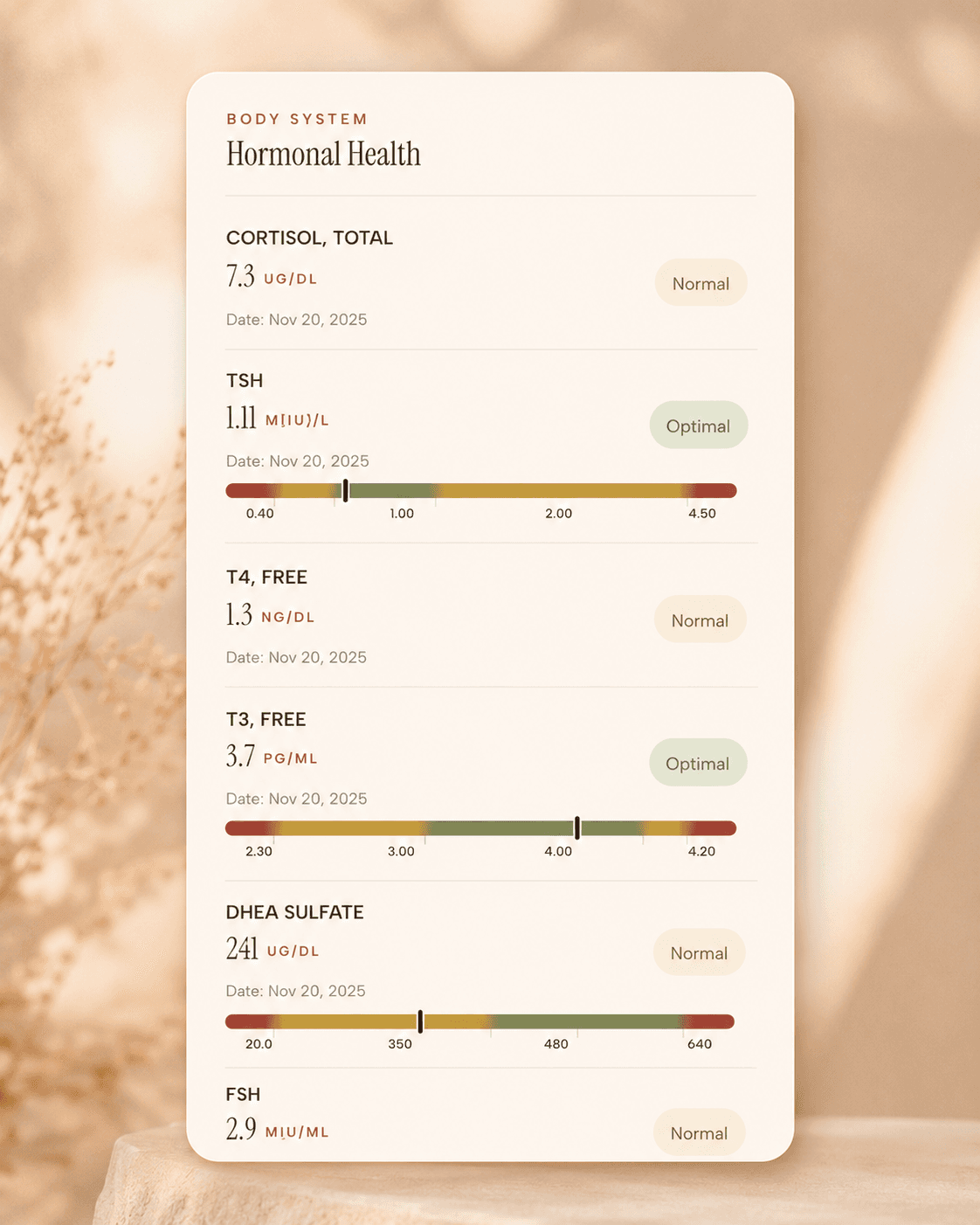
Cortisol is the primary stress hormone that regulates metabolism, immune function, and blood pressure. In functional medicine, cortisol assessment is crucial for understanding stress response and its impact on overall health. Chronic elevation suppresses testosterone production and immune function, while low cortisol indicates adrenal insufficiency. Optimal cortisol rhythm supports energy, mood stability, and hormone balance. Cortisol orchestrates the body's stress response and daily energy rhythms. Balanced cor…
Learn moreLab testing
Get thyroid, prolactin, and testosterone checked at Quest
starting from $99 panel with 100+ tests, one visit
No referral needed
About 1 week
Schedule online — results typically within a week
Clear next steps
Guidance included, with follow-up care available
HSA / FSA
Eligible for pre-tax health spending accounts
Pro Tips
Try a “desire-friendly” weeknight rule for 10 days: no work or doom-scrolling in bed, and lights out at a consistent time. If libido improves, you have proof that your nervous system needed recovery more than a new supplement.
If you are on an SSRI/SNRI, write down exactly what changed: desire, arousal, orgasm, or genital sensation. That detail helps your clinician choose the right adjustment instead of guessing.
If sex feels like pressure, agree on a temporary reset: two weeks of intimacy that cannot include penetration or a goal to orgasm. When your body stops bracing, desire often returns on its own.
If you have ovaries and your libido drops predictably in the week before your period, track it for two cycles. That timing can point toward hormone sensitivity, and it is useful context when you discuss options.
If alcohol is part of your routine, do a simple experiment: keep everything the same but skip alcohol for two weekends. Many people notice desire and orgasm quality improve faster than they expected.
Frequently Asked Questions
Is it normal to have low libido in your 20s?
It is common, and it is often tied to stress, sleep debt, depression or anxiety, relationship strain, or medication side effects rather than “something being wrong with you.” Libido is sensitive to your nervous system state, so busy or emotionally heavy seasons can blunt desire. If it is new, persistent for more than a couple of months, or causing distress, it is worth a focused check-in and possibly labs like TSH, prolactin, and testosterone.
Can antidepressants cause low libido even if they help my mood?
Yes. SSRIs and SNRIs can reduce desire, make arousal harder, and delay or block orgasm, and that can happen even when your depression improves. Do not stop your medication abruptly, but tell your prescriber what you are noticing, because switching medications or adjusting dose and timing can sometimes improve sexual function while keeping your mood stable.
What hormone tests should I get for low libido?
A practical starting trio is TSH (thyroid), prolactin, and a morning total testosterone, because each can point to a treatable biological driver of low desire. Depending on your body and symptoms, a clinician might add tests like estradiol, SHBG, or LH/FSH, but those are usually guided by cycle changes, erectile changes, or fertility goals. If you get results, review them with your clinician in the context of symptoms rather than chasing a single “perfect” number.
Can low libido be a sign of thyroid problems?
It can. Low thyroid function often shows up as fatigue, low mood, weight changes, and lower sex drive, and TSH is the usual first test to screen for it. If your TSH is elevated and your symptoms fit, treating the thyroid issue can improve libido over time, so bring both the number and your symptom timeline to your appointment.
When should I worry that low libido is something serious?
Get checked sooner if low libido comes with nipple discharge, new severe headaches or vision changes, missed periods, or erectile changes that are sudden and persistent, because those can point to hormone signaling problems such as high prolactin. Also seek care if sex is painful, because pain is treatable and it can quietly train your body to avoid intimacy. If you are unsure what applies to you, start by writing down when the change began and what else changed at the same time.