Irregular Periods After Having a Baby: What’s Normal and What Isn’t
Irregular periods postpartum often come from breastfeeding hormones, ovulation returning unevenly, or thyroid shifts. Targeted labs at Quest—no referral needed.






Irregular periods after having a baby are usually caused by breastfeeding hormones that suppress ovulation, your ovaries “restarting” in a stop-and-go way, or postpartum thyroid changes that can throw off bleeding and cycle timing. That can look like a late first period, long gaps, spotting, or a few weird cycles before things settle. If it is not clear which one fits you, a few targeted blood tests can help you sort out what is normal recovery versus something treatable. The frustrating part is that postpartum life changes your sleep, stress hormones, weight, and feeding patterns all at once, and your cycle is sensitive to all of it. You might also be trying to plan childcare, return to exercise, or figure out fertility without any predictable calendar. This guide walks you through the most common reasons postpartum cycles are irregular, what tends to help, and which labs are most useful. If you want help matching your exact pattern to the most likely cause, PocketMD can talk it through with you, and Vitals Vault labs can confirm the basics without turning it into a months-long appointment hunt.
Why your periods are irregular postpartum
Breastfeeding hormones delay ovulation
Frequent nursing raises your milk-making hormone (prolactin), which tells your brain to dial down the signals that trigger ovulation. That is why you can go months without a true period, or you can spot lightly without a predictable cycle. The takeaway is that “no period yet” can be completely normal while you are exclusively breastfeeding, but changes in feeding frequency often change your cycle within a few weeks.
Ovulation returns in fits and starts
Even if you are not breastfeeding, your ovaries may not flip back to a steady rhythm right away, so you might ovulate one month and not the next. When ovulation is inconsistent, your lining can build up longer and then shed as a heavier or longer bleed, which can feel alarming. If your first few cycles are unpredictable but you otherwise feel well, tracking for three cycles often shows a trend toward more regular timing.
Postpartum thyroid swings
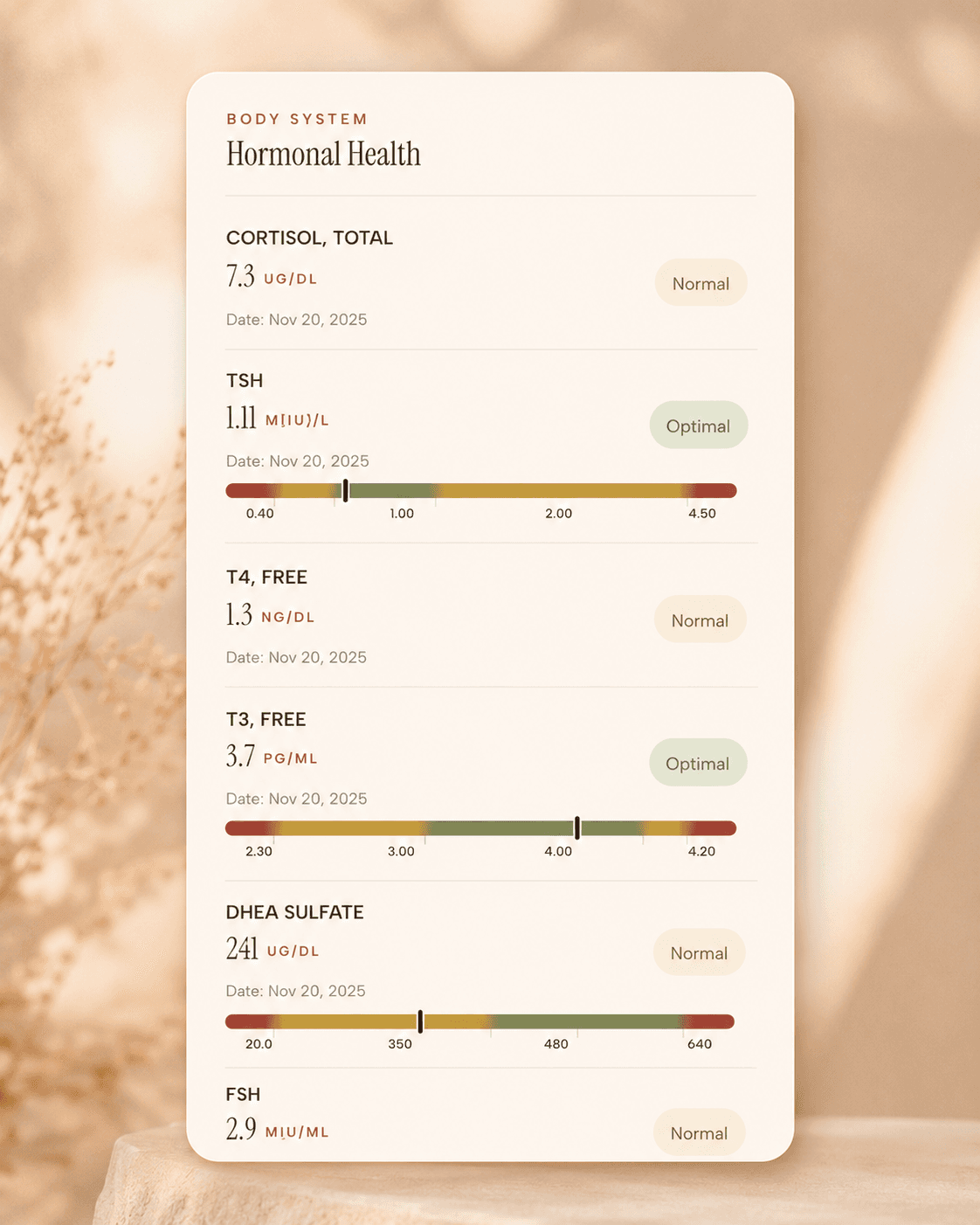
Some women develop inflammation of the thyroid after delivery (postpartum thyroiditis), and it can swing from “too fast” to “too slow.” When your thyroid is off, your cycle can become longer, shorter, heavier, or more spotty, and you may also notice anxiety, heat intolerance, fatigue, constipation, or hair shedding beyond what you expected. Because thyroid issues are treatable, it is worth checking labs if irregular bleeding comes with those whole-body symptoms.
Low iron after delivery
Blood loss at birth and months of recovery can leave your iron stores low, even if your hemoglobin looks okay. Low iron does not directly “cause” irregular cycles for everyone, but it can amplify fatigue, dizziness, and palpitations, which makes any heavy or frequent bleeding feel much harder to cope with. If your periods are heavier than before pregnancy or you feel wiped out, checking ferritin can show whether you have enough iron in reserve.
PCOS patterns re-emerge postpartum
If you had irregular cycles before pregnancy, postpartum can unmask the same underlying tendency toward irregular ovulation, especially with sleep disruption and weight changes. Polycystic ovary syndrome (PCOS) is really a pattern of hormone signaling and metabolism, which means your cycles may stay unpredictable even after breastfeeding ends. A practical next step is to look for the “cluster” that points to PCOS—acne, increased facial hair, and long cycles—and bring that pattern to your clinician rather than focusing on one late period.
What actually helps you regulate cycles
Track ovulation, not just bleeding
Bleeding dates alone miss the main question: are you ovulating consistently yet? For two cycles, try morning basal body temperature or ovulation predictor strips, and note cervical mucus changes if you are comfortable doing that. If you never see a clear ovulation signal, it points toward breastfeeding suppression, thyroid issues, or a PCOS-style pattern rather than “random” periods.
Adjust expectations around breastfeeding
If you are nursing frequently, irregular or absent periods can be your body’s normal response, not a sign that something is broken. When feeds space out, night feeds drop, or you wean, ovulation often returns before your first real period, which is why surprise pregnancy happens. If you are not ready for pregnancy, treat breastfeeding as unreliable birth control unless you are strictly meeting the lactational amenorrhea method rules.
Treat thyroid problems when present
If your TSH and free T4 suggest your thyroid is underactive or overactive, treating it often improves cycle regularity over the next one to three cycles. The “so what” is bigger than periods: thyroid imbalance can also affect mood, milk supply, heart rate, and energy, which are already stretched thin postpartum. Bring your lab results and symptoms to a clinician, because treatment depends on whether you are in a temporary postpartum phase or true long-term thyroid disease.
Rebuild iron stores if ferritin is low
If ferritin is low, iron repletion can make heavy or frequent bleeding feel less draining and can support recovery, even if it does not instantly “fix” cycle timing. Many people do better with every-other-day iron because it is easier on the stomach, but the right dose depends on your labs and tolerance. Recheck ferritin in about 8–12 weeks so you know you are actually refilling the tank, not just taking pills.
Get evaluated for heavy bleeding
If you are soaking through a pad or tampon every hour for several hours, passing large clots, or feeling faint, that is not something to wait out. Postpartum can come with retained tissue, infection, or other causes of abnormal uterine bleeding that need prompt care. Even when it is “just hormones,” getting checked is worth it because the fix can be simple and fast once the dangerous stuff is ruled out.
Useful biomarkers to discuss with your clinician
TSH
TSH is the master regulator of thyroid function, controlling the production of thyroid hormones T4 and T3. In functional medicine, we use narrower TSH ranges than conventional medicine to identify subclinical thyroid dysfunction early. Even mildly elevated TSH can indicate thyroid insufficiency, leading to fatigue, weight gain, depression, and metabolic dysfunction. TSH levels are influenced by stress, nutrient deficiencies, autoimmune conditions, and environmental toxins. Optimal TSH supports energy, metabolism…
Learn moreFerritin
Ferritin is your body's iron storage protein, reflecting total iron stores in the body. In functional medicine, ferritin assessment is crucial for identifying both iron deficiency and iron overload, conditions that can significantly impact energy levels and overall health. Low ferritin is the earliest sign of iron deficiency, often occurring before anemia develops. This can cause fatigue, weakness, restless leg syndrome, and cognitive impairment. Conversely, elevated ferritin may indicate iron overload, inflamma…
Learn moreProgesterone
While primarily known as a female hormone, progesterone plays important roles in men including neuroprotection, sleep quality, and as a precursor to other hormones. In functional medicine, male progesterone assessment helps evaluate overall hormone synthesis pathways and stress response. Low progesterone in men may indicate chronic stress or adrenal dysfunction, while optimal levels support brain health and sleep quality. Progesterone in men supports neurological health, sleep quality, and serves as a building b…
Learn moreLab testing
Get TSH, free T4, prolactin, and ferritin checked at Quest
starting from $99 panel with 100+ tests, one visit
No referral needed
About 1 week
Schedule online — results typically within a week
Clear next steps
Guidance included, with follow-up care available
HSA / FSA
Eligible for pre-tax health spending accounts
Pro Tips
If your cycles are unpredictable, track “return of ovulation” for two cycles by using ovulation predictor strips around days 10–20 and writing down the first positive. That single data point often explains why your bleeding feels random.
If you are breastfeeding and your period suddenly returns, look back at the prior two weeks for a change in night feeds, pumping frequency, or longer stretches of sleep. Your ovaries respond to that shift faster than most people expect.
When you get your first postpartum period, treat it like a “new baseline” and compare the next two bleeds to it rather than to your pre-pregnancy cycle. The first one is often heavier or longer because the lining had more time to build up.
If you are trying to conceive, do not wait for a period to assume fertility is back. Ovulation can happen before the first true period postpartum, so start tracking ovulation signs as soon as you are ready to try.
If bleeding is frequent, take a photo of the pad or clot size next to a coin (for scale) before you throw it away. It feels a little odd, but it helps you describe severity accurately if you need urgent advice.
Frequently Asked Questions
How long are irregular periods normal after giving birth?
If you are breastfeeding, irregular or absent periods can be normal for many months because prolactin suppresses ovulation. If you are not breastfeeding, many people see their first period within about 6–12 weeks, but the next couple of cycles can still be uneven as ovulation stabilizes. If you have very heavy bleeding, severe pain, or symptoms like palpitations and heat intolerance, it is worth checking in sooner and considering TSH with free T4.
Can you ovulate postpartum without having a period?
Yes. Ovulation happens before a period, so your first postpartum ovulation can occur weeks before your first true bleed, especially as breastfeeding frequency changes. If pregnancy would be a problem right now, use a reliable contraceptive method rather than waiting for your period to return. If pregnancy is your goal, ovulation predictor strips can help you time intercourse even before cycles look “regular.”
Why is my first postpartum period so heavy or full of clots?
The first bleed can be heavier because your uterine lining may have had extra time to build up before ovulation fully normalizes. Small clots can happen with heavier flow, but soaking through a pad every hour for several hours, passing very large clots, or feeling dizzy is a red flag. If that is you, get urgent evaluation to rule out postpartum complications rather than assuming it is just hormones.
Could thyroid problems cause irregular periods after pregnancy?
They can, and postpartum thyroiditis is a classic example. When your thyroid runs too fast or too slow, it can change how your ovaries cycle and how your uterine lining builds and sheds, which shows up as irregular timing or unusual flow. A simple TSH with free T4 can usually catch it, and treatment often improves cycles over the next one to three cycles.
What blood tests are most helpful for irregular periods postpartum?
The most useful starting tests are TSH with free T4 to look for postpartum thyroid changes, prolactin to see whether ovulation suppression fits your feeding pattern, and ferritin to check iron stores if bleeding is heavy or you feel unusually wiped out. These tests do not “diagnose everything,” but they quickly separate common, fixable causes from normal postpartum transition. Bring the results along with a simple cycle log so your clinician can interpret them in context.