Bloating in Postpartum Women: What It Means and What Helps
Bloating in postpartum women often comes from slowed gut motility, pelvic floor changes, or food intolerance. Targeted labs available—no referral needed.






Bloating in the postpartum months is usually a mix of slowed digestion from hormone shifts and pain meds, constipation and trapped gas, and changes in your abdominal wall and pelvic floor that make pressure feel louder. Sometimes it is also a new food intolerance or a gut bacteria imbalance after antibiotics, which can make you look and feel “puffy” even when you are not eating much. A few targeted labs can help you sort out whether thyroid changes, inflammation, or celiac disease is part of your picture. If you are newly postpartum, it is completely understandable to worry that your body is “stuck” or that something is wrong. The tricky part is that postpartum bloating can be mechanical (your core and pelvic floor), digestive (constipation, gas, reflux), or immune-related (new sensitivities), and you can have more than one at the same time. This guide walks you through the most common causes, what tends to help in real life, and when it is worth getting extra support through PocketMD or checking labs through Vitals Vault. If your bloating comes with severe belly pain, fever, persistent vomiting, black or bloody stools, or you cannot pass gas or stool, get urgent care because that is not “normal postpartum.”
Why you feel bloated after having a baby
Constipation and trapped gas
After delivery, your gut often moves more slowly, especially if you had a C‑section, used opioid pain medicine, or are not sleeping and eating regularly. When stool sits longer, bacteria ferment it and make more gas, which stretches your belly and can feel like tightness under your ribs. A simple clue is that you feel better after a bowel movement, even if the bloating returns later. If you are going fewer than three times a week or straining, treating constipation usually gives the biggest payoff.
Hormone shifts slow digestion
Your hormones change quickly after birth, and that can temporarily affect how fast your stomach empties and how your intestines squeeze food along. When things slow down, even a normal meal can sit longer and create that “balloon” feeling by evening. You might notice more burping, early fullness, or nausea along with the bloating. The takeaway is that smaller, more frequent meals can be easier on your system while your digestion recalibrates.
Pelvic floor and core changes
Pregnancy stretches your abdominal wall and can weaken the deep core and pelvic floor, which changes how pressure is managed inside your abdomen. That does not just affect appearance; it can make gas and stool feel harder to move, so you feel distended even without a huge amount of gas. If you also leak urine, feel heaviness, or have back pain, this cause moves higher on the list. A pelvic floor physical therapist can be a game-changer because they treat the mechanics, not just the symptoms.
Antibiotics and gut imbalance
If you had antibiotics during labor, a C‑section, or postpartum for mastitis or another infection, your gut bacteria can shift for weeks. That can increase gas production and make certain carbs feel suddenly “too fermentable,” which is why you might bloat after foods that never bothered you before. You may also notice looser stools or alternating constipation and diarrhea. The practical move is to watch for a consistent food pattern rather than blaming everything you ate that day.
New intolerance or celiac disease
Postpartum is a time when immune conditions can flare, and some people first notice gluten-triggered symptoms (celiac disease) or other intolerances after pregnancy. This kind of bloating is often paired with ongoing diarrhea, iron deficiency, mouth sores, or unexplained fatigue, and it does not reliably improve with laxatives. Because celiac testing works best before you eliminate gluten, it is worth testing first if you suspect it. If the test is negative, you can still trial targeted changes, but you will be doing it with better information.
What actually helps postpartum bloating
Treat constipation on purpose
If you are not having soft, easy bowel movements most days, start there because bloating often follows constipation. Many postpartum people do well with polyethylene glycol (PEG 3350) because it pulls water into stool and is not a stimulant, but you should confirm what is appropriate for you if you are breastfeeding or on other meds. Add a consistent time window after breakfast to sit on the toilet, even if you do not feel the urge yet, because your colon is naturally more active then. If you go three days without a bowel movement or have significant pain, ask your clinician for a plan rather than escalating randomly.
Use a gentle gas strategy
Simethicone can help some people by breaking up gas bubbles, but the bigger win is changing how much air and fermentable food hits your gut at once. Try slowing down meals, avoiding straws and carbonated drinks for a week, and taking a short walk after eating to help gas move through. If your bloating peaks after high-fiber “health” foods, temporarily reducing beans, onions, and large raw salads can calm things down while you rebuild tolerance. The goal is not to fear fiber; it is to reintroduce it in a way your gut can handle right now.
Rebuild core pressure control
When your deep core is not coordinating well, your belly can feel like it is constantly bracing, which makes bloating feel worse. Start with diaphragmatic breathing where your ribs expand 360 degrees, then gently exhale and feel your lower belly draw in without sucking in hard. If you suspect abdominal separation (diastasis recti), avoid aggressive crunches early on because they can increase pressure and worsen doming. A postpartum-focused physical therapist can tailor exercises to your delivery and symptoms.
Try a short, structured elimination
If food triggers are confusing, a two-week trial beats endless guessing. Pick one structured approach, such as a low-FODMAP “lite” trial where you reduce the biggest gas producers, and keep the rest of your diet steady so you can actually interpret the result. If you feel clearly better, reintroduce one food group every three days to find your personal offenders rather than staying restricted. If nothing changes after two weeks, it is a sign to look beyond food and consider constipation, pelvic floor, or labs.
Know when to get checked
If your bloating is paired with weight loss, persistent diarrhea, blood in stool, new severe heartburn, or symptoms that wake you at night, you deserve a medical workup. Postpartum thyroid problems can also show up as bowel changes, anxiety, heat intolerance, or unusual fatigue, and treating the thyroid issue can improve your gut. Bring a simple timeline to your visit: when it started, how your stools changed, and whether antibiotics or new supplements were involved. That makes it much easier to get to the right next step.
Useful biomarkers to discuss with your clinician
Insulin
Insulin is a master metabolic hormone that regulates glucose uptake, fat storage, and numerous cellular processes. In functional medicine, fasting insulin levels are one of the earliest and most sensitive markers of metabolic dysfunction. Elevated insulin (hyperinsulinemia) often precedes diabetes by years or decades and is central to metabolic syndrome. High insulin levels promote fat storage, inflammation, and contribute to numerous chronic diseases including cardiovascular disease, PCOS, and certain cancers.…
Learn moreGlucose
Fasting glucose is a fundamental marker of glucose metabolism and insulin function. In functional medicine, we recognize that even 'normal' glucose levels in the upper range may indicate early insulin resistance. Optimal fasting glucose reflects efficient glucose regulation and insulin sensitivity. Elevated fasting glucose suggests the body's inability to maintain normal glucose levels overnight, indicating hepatic insulin resistance or insufficient insulin production. This marker is essential for early detectio…
Learn moreHs Crp
High-sensitivity C-reactive protein (hs-CRP) is a key marker of systemic inflammation and cardiovascular risk. In functional medicine, we recognize hs-CRP as one of the most important predictors of heart disease, stroke, and metabolic dysfunction. Levels above 1.0 mg/L indicate increased inflammation that may be driven by poor diet, chronic infections, autoimmune conditions, or metabolic syndrome. Optimal levels below 0.5 mg/L are associated with the lowest cardiovascular risk and overall inflammatory burden. hs…
Learn moreLab testing
Check TSH, celiac antibodies, and CRP at Quest
starting from $99 panel with 100+ tests, one visit
No referral needed
About 1 week
Schedule online — results typically within a week
Clear next steps
Guidance included, with follow-up care available
HSA / FSA
Eligible for pre-tax health spending accounts
Pro Tips
Do a 7-day “bloat map”: each evening, rate bloating 0–10 and write down whether you pooped that day, because the constipation link is often the missing piece postpartum.
If you had a C-section, try a warm drink and a 10-minute slow walk after meals for a week; gentle movement often moves gas better than any supplement.
When you feel distended, try a 3-minute breathing reset: inhale so your ribs expand, then exhale longer than you inhale and let your lower belly soften. It can reduce guarding, which makes pressure feel worse.
If you suspect a food trigger, change one variable at a time for two weeks. For example, keep your meals the same but remove carbonated drinks and sugar alcohols, because they commonly drive gas without feeling like “food.”
Before you cut gluten “just to see,” consider getting a celiac blood test first. It is much easier to get a clear answer while you are still eating gluten regularly.
Frequently Asked Questions
How long does postpartum bloating last?
For many people, the most noticeable bloating improves over the first 2–6 weeks as swelling resolves and digestion normalizes, but constipation-related bloating can linger for months if it is not treated directly. If you are still significantly distended after 8–12 weeks, it is worth checking your bowel pattern, pelvic floor function, and whether you had antibiotics. If symptoms are worsening instead of slowly improving, bring it up sooner and consider labs like TSH or a celiac screen.
Is postpartum bloating normal after a C-section?
Yes, bloating is very common after a C-section because anesthesia, pain medicine, and the surgery itself can slow your intestines and trap gas. It often feels like upper-belly pressure and can make you look more pregnant by evening. Walking in short, frequent bursts and treating constipation early usually helps more than cutting lots of foods. If you cannot pass gas, have severe pain, or are vomiting, get urgent care.
Can breastfeeding cause bloating?
Breastfeeding does not directly “cause” bloating, but it can indirectly contribute if you are eating irregularly, rushing meals, or relying on foods that ferment easily because they are convenient. Some people also take iron or other supplements postpartum, and iron can worsen constipation, which then drives bloating. If you are breastfeeding and bloated, look first at stool frequency and any new supplements, and adjust those before assuming it is dairy or gluten.
What does postpartum thyroiditis bloating feel like?
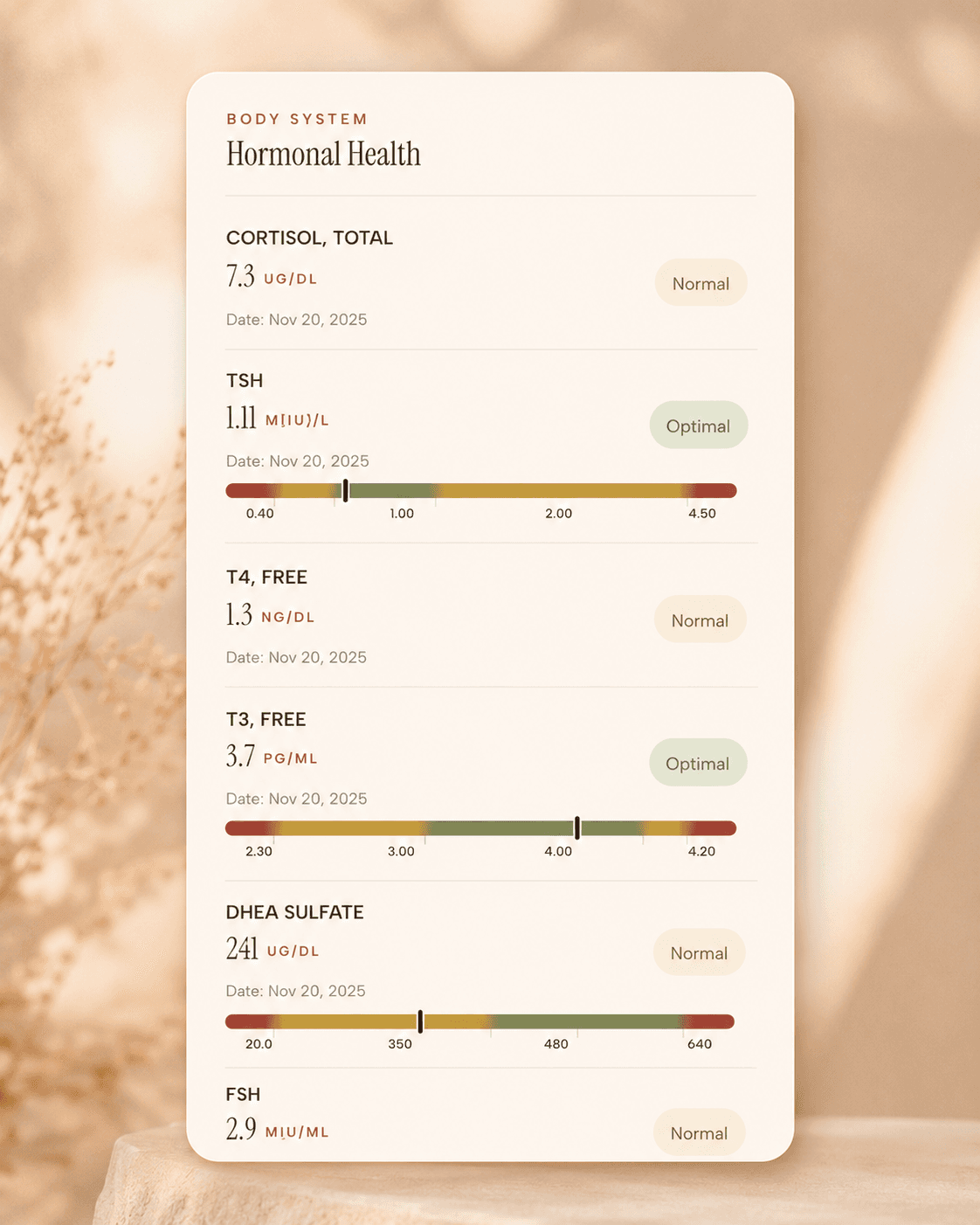
When postpartum thyroiditis shifts you toward low thyroid function, you may feel bloated mainly because you are more constipated and retaining fluid. You might also notice unusual fatigue, feeling cold, dry skin, or hair shedding beyond what you expected. A TSH test (often paired with free T4) can help clarify this, and many people feel best with TSH around 0.5–2.5 mIU/L. If you suspect this, ask for thyroid labs rather than trying random diets.
When should I worry that postpartum bloating is something serious?
Bloating deserves prompt medical attention if it comes with severe or worsening abdominal pain, fever, persistent vomiting, black or bloody stools, or you cannot pass stool or gas. Ongoing bloating with weight loss, frequent diarrhea, or anemia symptoms can also signal conditions like celiac disease or inflammatory bowel disease, which are not “just postpartum.” If any of those fit, bring a short symptom timeline and ask about tests such as CRP and a celiac antibody screen.