High Cholesterol in Teenagers: What It Means and What to Do
High cholesterol in teenagers is often from genetics, insulin resistance, or thyroid issues. Get targeted blood tests at Quest—no referral needed.





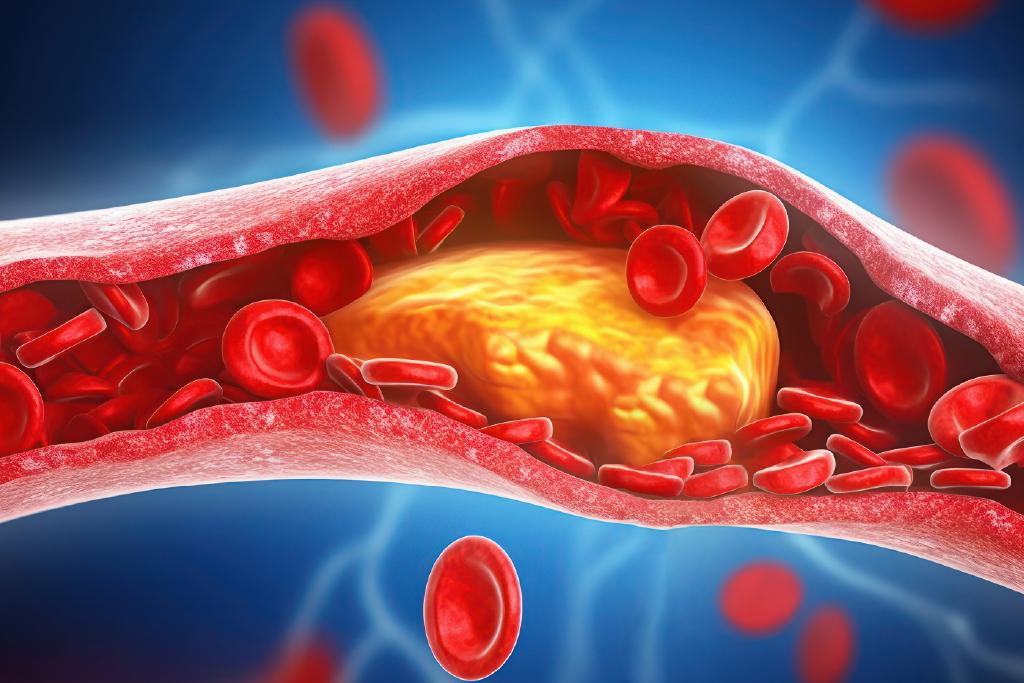
High cholesterol in teenagers usually comes from one of three buckets: genetics that keep LDL high from childhood, a metabolism shift like insulin resistance that pushes triglycerides up and HDL down, or a “secondary” cause such as low thyroid function. The right blood tests can help you tell which pattern you have, because the next step looks different for each one. Seeing a high number on a lab report can feel scary, especially when you’re young and you feel fine. But cholesterol is not a symptom you “feel” day to day, which means you have time to be thoughtful and strategic. This page walks you through the most common reasons teen cholesterol runs high, what actually moves the numbers, and which labs help you focus on risk (not just one LDL value). If you want help interpreting a specific result in context, PocketMD can talk it through, and Vitals Vault labs can help you recheck the right markers without turning it into a months-long process.
Why cholesterol is high in teenagers
Inherited high LDL (FH)
Some teens inherit genes that make it hard for your liver to clear LDL (“bad cholesterol”) from your blood, which is called familial high cholesterol (familial hypercholesterolemia). In that situation, LDL can be high even if you eat reasonably and play sports, and the main “so what” is that plaque can start building earlier than you’d expect. A clue is a strong family history of early heart disease or an LDL that stays very high on repeat testing, so it’s worth asking relatives about ages of heart attacks and stents.
Insulin resistance shifting your lipids
When your body needs more insulin to keep blood sugar normal, your liver tends to make more triglyceride-rich particles, and your HDL often drops. This pattern can happen with weight gain, but it can also show up in normal-weight teens who have a strong family tendency or who are sleeping poorly. The takeaway is that the “fix” is not just avoiding eggs or shrimp; it is improving how your body handles carbs and insulin, which you can track with triglycerides and ApoB.
Low thyroid slowing cholesterol clearance
Your thyroid hormone acts like a metabolic accelerator, and when it runs low (hypothyroidism), your liver clears LDL more slowly. You might also notice fatigue, constipation, dry skin, or feeling cold more than your friends, although some teens have no obvious symptoms. If thyroid is the driver, treating it can improve cholesterol without extreme diet changes, which is why a simple TSH test matters.
Diet pattern and ultra-processed foods
In many teens, the issue is not “dietary cholesterol” itself but a pattern that’s heavy on ultra-processed snacks, sugary drinks, and takeout, which can push triglycerides up and make LDL particles more harmful over time. You can feel totally fine while this is happening, so it’s easy to dismiss. A practical takeaway is to focus on what replaces those foods—more fiber and protein at meals—because swapping, not restricting, is what actually sticks in a busy school schedule.
Medications and other medical causes
Some medicines can raise cholesterol or triglycerides, including certain acne treatments, steroids, and some psychiatric medications, and a few health conditions can do it too. This matters because you don’t want to blame yourself for a number that is partly medication-driven, and you also don’t want to stop a needed medicine abruptly. Bring your medication list to your clinician and ask, “Could any of these be affecting my lipids, and is there an alternative or monitoring plan?”
What actually helps lower it (without panic)
Confirm the pattern with a repeat test
One abnormal lipid panel can be a fluke from a non-fasting draw, a recent illness, or a big change in eating. Rechecking in 6–12 weeks after a “normal” couple of weeks gives you a truer baseline, and it also shows whether triglycerides are the main issue or LDL is persistently high. Ask for the actual numbers (LDL, HDL, triglycerides, and non-HDL), because trends matter more than a single flag.
Build meals around fiber and protein
Soluble fiber acts like a sponge in your gut and helps pull cholesterol out of circulation, while protein helps you stay full so you are not grazing on chips later. For a teen, this works best when it is simple: think oats or high-fiber cereal at breakfast, beans or lentils a few times a week, and a protein you actually like at lunch. If you do one change, add a fiber anchor daily and watch what happens to LDL and non-HDL over the next 2–3 months.
Swap fats instead of going “low-fat”
Going very low-fat often backfires because you end up eating more refined carbs, which can raise triglycerides. A better move is to replace saturated fats with unsaturated fats, which means using olive oil, nuts, seeds, and fatty fish more often while keeping butter, high-fat cheese, and processed meats as occasional foods. This approach tends to improve LDL quality and ApoB over time, not just the headline number.
Use exercise to change triglycerides fast
If triglycerides are high, movement is one of the quickest levers because your muscles burn triglycerides for fuel. You do not need a perfect gym routine; you need consistency, like brisk walking, biking, or sports most days, plus two days a week of strength work. The “win” you can feel is better energy and sleep, and the win you can measure is lower triglycerides and higher HDL on the next panel.
Know when medication is appropriate
If your LDL is very high from genetics, lifestyle changes alone may not bring it down enough, and medication can be protective rather than “a failure.” Statins have the best evidence for lowering LDL and long-term risk, and many teens who need them do well with the right dose and follow-up. If you are worried about side effects, ask your clinician what symptoms to watch for and which labs they monitor, so you feel in control of the plan.
Lab tests that help explain high cholesterol in teenagers
LDL Cholesterol
LDL cholesterol is the primary target for cardiovascular risk reduction. Calculated LDL is accurate when triglycerides are below 400 mg/dL. Elevated LDL drives atherosclerosis and cardiovascular disease. Lower is generally better, with targets depending on individual risk factors. Calculated LDL Cholesterol uses the Friedewald equation to estimate LDL from total cholesterol, HDL cholesterol, and triglycerides. It's the most common method for LDL assessment.
Learn moreTriglycerides
Triglycerides are the primary form of stored fat and reflect carbohydrate metabolism and insulin sensitivity. In functional medicine, triglycerides are one of the most responsive biomarkers to dietary changes. Elevated triglycerides often indicate insulin resistance, metabolic syndrome, and increased cardiovascular risk. The triglyceride-to-HDL ratio is an excellent predictor of insulin sensitivity and particle size. High triglycerides contribute to small, dense LDL particles and reduced HDL function. Triglyceri…
Learn moreTSH
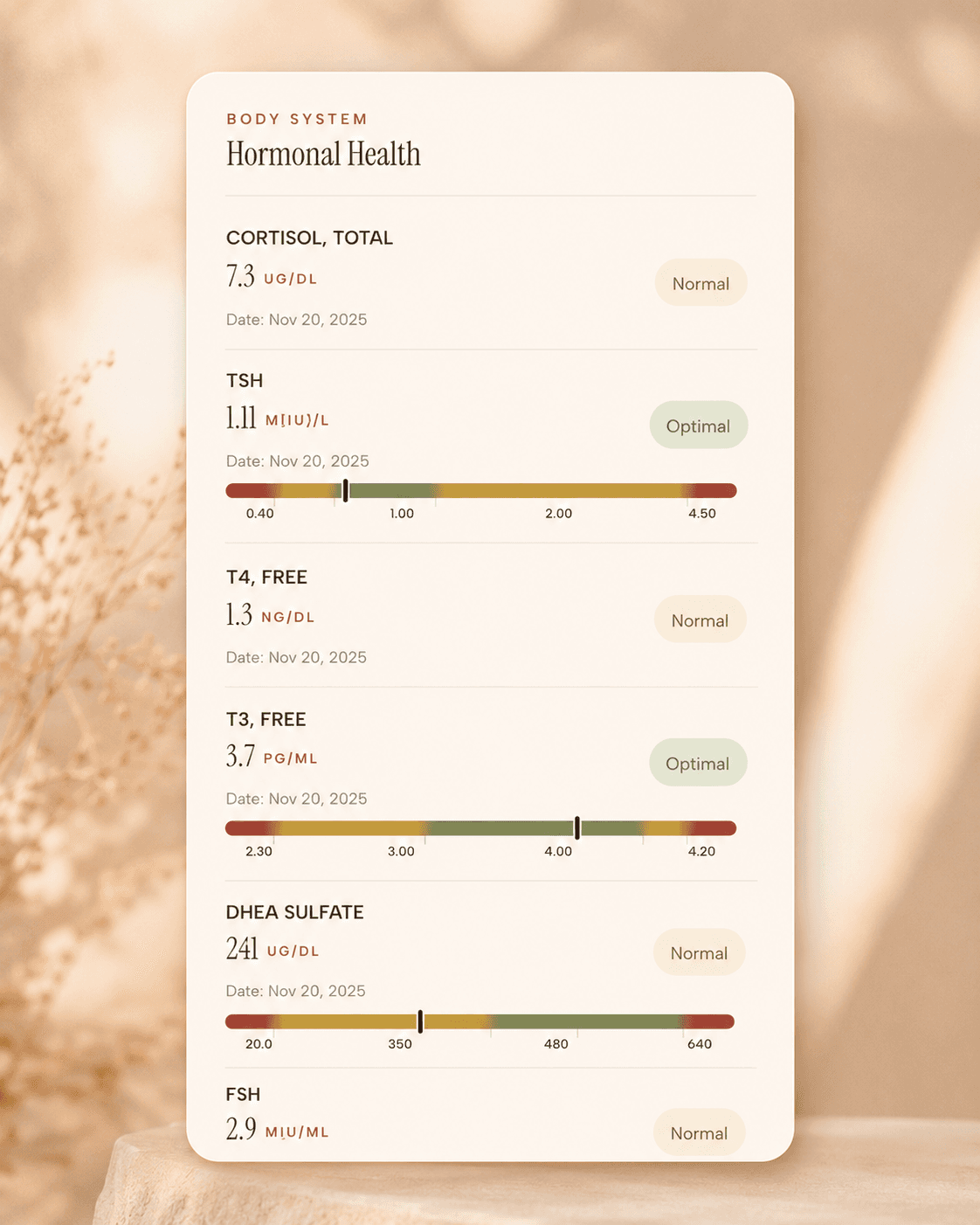
TSH is the master regulator of thyroid function, controlling the production of thyroid hormones T4 and T3. In functional medicine, we use narrower TSH ranges than conventional medicine to identify subclinical thyroid dysfunction early. Even mildly elevated TSH can indicate thyroid insufficiency, leading to fatigue, weight gain, depression, and metabolic dysfunction. TSH levels are influenced by stress, nutrient deficiencies, autoimmune conditions, and environmental toxins. Optimal TSH supports energy, metabolism…
Learn moreLab testing
Recheck ApoB, a full lipid panel, and TSH at Quest
starting from $99 panel with 100+ tests, one visit
No referral needed
About 1 week
Schedule online — results typically within a week
Clear next steps
Guidance included, with follow-up care available
HSA / FSA
Eligible for pre-tax health spending accounts
Pro Tips
Ask for the exact LDL number and the non-HDL number, not just “it’s high,” because non-HDL helps when triglycerides are part of the picture.
If your LDL is very high, ask your family about early heart disease in first-degree relatives (men under 55, women under 65). That history changes how aggressively you should treat.
If triglycerides are the main abnormality, try a two-week “liquid sugar reset” by cutting soda, juice, and sweet coffee drinks first. That single change often moves triglycerides more than any supplement.
When you change your diet, make it a swap you can repeat at school, like bringing nuts or a high-protein snack so you are not forced into vending-machine choices.
If you start a statin, keep a simple symptom note for the first month and schedule the follow-up labs your clinician recommends. Feeling organized reduces anxiety and helps you catch rare side effects early.
Frequently Asked Questions
What is a normal cholesterol level for a teenager?
For many teens, clinicians like total cholesterol under 170 mg/dL and LDL under 110 mg/dL, with HDL over 45 mg/dL and triglycerides ideally under 90–130 mg/dL depending on age. The exact cutoffs vary by guideline and age bracket, so the pattern matters as much as one number. If your LDL is over 160 mg/dL or your non-HDL is over 190 mg/dL, it is worth a focused conversation and repeat testing.
Can high cholesterol in teens go away with diet and exercise?
If the main driver is insulin resistance or a high-triglyceride pattern, lifestyle changes often improve numbers within 6–12 weeks. If the driver is inherited high LDL (familial hypercholesterolemia), diet and exercise help overall health but may not lower LDL enough on their own. A repeat lipid panel plus ApoB can show which track you’re on and whether you need medication added.
Does eating eggs cause high cholesterol in teenagers?
For most people, eggs have a smaller effect on LDL than saturated fat and refined carbs, and the overall diet pattern matters more than one food. If your LDL is mildly elevated, you can usually keep eggs in a balanced diet while focusing on fiber and healthier fats. If your LDL is very high or you have familial hypercholesterolemia, ask your clinician for a personalized plan and track the response on repeat labs.
What is ApoB and why would a teen need it?
ApoB is a blood test that estimates how many atherogenic particles you have, which is the “traffic count” of cholesterol carriers that can get into artery walls. Two teens can have the same LDL but very different ApoB, and the one with higher ApoB generally has higher long-term risk. If you are trying to decide how aggressive to be, ApoB is often the most clarifying add-on test.
When is high cholesterol in a teenager an emergency?
High cholesterol itself is almost never an emergency because it does not cause sudden symptoms. The urgent situations are different, like chest pain, fainting with exertion, or signs of diabetes such as vomiting with dehydration, which need same-day medical care. For cholesterol, the “act now” moment is an LDL that is repeatedly very high (often 190 mg/dL or more) or a strong family history of early heart disease, because that should trigger prompt follow-up and a clear treatment plan.