Follicular Phase Symptoms: What You Might Feel and Why
Follicular phase symptoms usually come from rising estrogen, a post-period iron dip, and sleep debt. Targeted labs available at Quest—no referral needed.





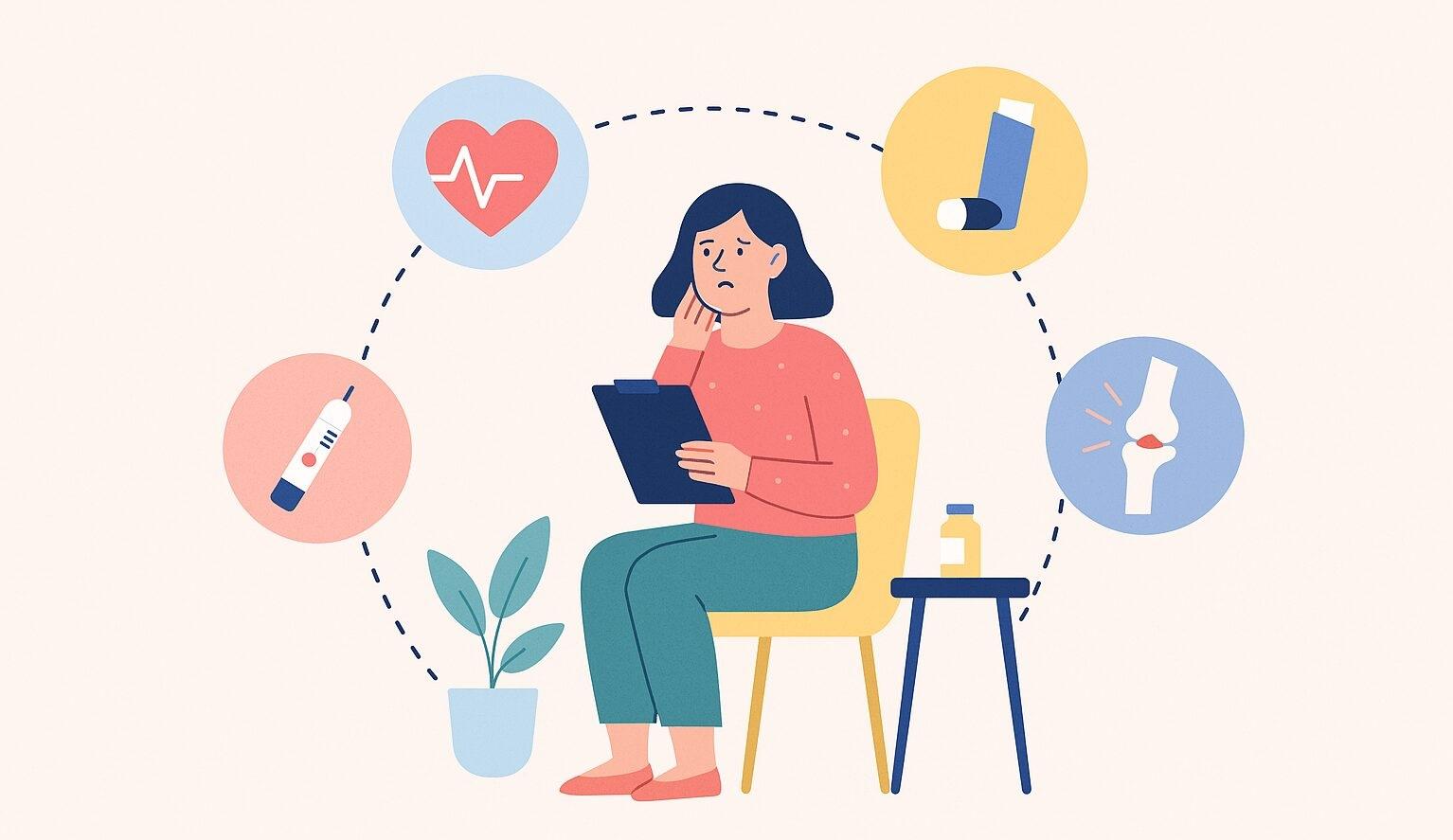
Follicular phase symptoms usually happen because estrogen is rising after your period, your brain is getting a stronger “go” signal for energy and motivation, and your body is rebuilding after bleeding (which can temporarily lower iron stores). You might feel clearer, stronger, and more social — or you might feel flat, headachy, and unusually hungry if sleep, stress, or low iron is in the mix. A few targeted labs can help you tell the difference between “normal cycle shift” and something fixable. The follicular phase runs from the first day of bleeding until ovulation, and it’s the part of the cycle where many people expect to feel their best. When you don’t, it can be confusing, especially if you’re cycle tracking for fertility or trying to plan training around your hormones. This guide walks you through what’s common, what’s a red flag, and what to try next. If you want help matching your exact pattern to likely causes, PocketMD can talk it through with you, and Vitals Vault labs can help confirm what your body is doing.
Why you feel different in the follicular phase
Estrogen rises and changes your brain
After your period starts, your ovaries begin ramping up estrogen (estradiol), and that can change how your brain uses serotonin and dopamine. For many people that feels like better mood, sharper focus, and more “get up and go,” but for others it shows up as restlessness or trouble falling asleep. If your symptoms track closely with cycle days and improve as ovulation approaches, this hormone rise is often the main driver.
Iron stores dip after bleeding
Even if your hemoglobin is normal, you can feel wiped out if your iron storage tank (ferritin) is low after a heavy or long period. That can look like breathlessness on easy runs, a higher-than-usual heart rate during workouts, or a weird “my legs are heavy” feeling that doesn’t match your training. If you’re also craving ice, feeling cold easily, or shedding more hair, it’s worth checking ferritin rather than assuming it’s just your cycle.
Your sleep debt catches up
The early cycle can feel like a reset, but your body still carries the cost of poor sleep from the week before, travel, late-night screens, or stress. When estrogen rises, you may feel wired even though you’re tired, which can create a loop of lighter sleep and daytime fatigue. A simple clue is timing: if you feel “tired but buzzy” and your resting heart rate is up, sleep and recovery are likely part of the story.
Blood sugar swings feel louder
In the follicular phase, some people feel more insulin-sensitive, which can be great for training, but it also means missed meals can hit harder. You might notice shakiness, irritability, or a sudden energy crash mid-morning, especially if you start the day with coffee and not much food. If your symptoms improve within 15–30 minutes of a balanced snack, your body is telling you it needs steadier fuel, not more willpower.
Thyroid issues can mimic “cycle fatigue”
If your thyroid is underactive, the follicular phase doesn’t reliably bring that expected energy lift, and you may feel sluggish, constipated, or mentally foggy throughout the month. Because these symptoms overlap with “normal” cycle changes, thyroid problems are easy to miss until they start affecting training, mood, or fertility. If you’re consistently tired across multiple cycles or your periods are getting heavier, a TSH test is a practical place to start.
What actually helps in the follicular phase
Use the energy window strategically
If you feel stronger and more coordinated in the follicular phase, this is often a good time for heavier strength work, higher-intensity intervals, or skill sessions that require focus. The key is to increase intensity without suddenly doubling volume, because your muscles still need time to adapt. Pick one “priority” training goal for this phase and keep the rest steady so you can tell what’s helping.
Fuel earlier, not just “cleaner”
If you’re getting mid-morning crashes or workout nausea, try eating within an hour of waking and include both carbs and protein. That might look like yogurt plus fruit, eggs plus toast, or a smoothie with milk and oats, because the goal is stable energy, not a perfect macro spreadsheet. If your symptoms improve quickly, you’ve learned something useful about your personal follicular-phase metabolism.
Treat low ferritin like a training limiter
If ferritin comes back low, food alone may be too slow, especially if you’re training hard or trying to conceive. Talk with a clinician about iron dosing and timing, because taking iron with vitamin C and away from calcium can improve absorption, while taking it “whenever” often doesn’t. Rechecking ferritin in about 8–12 weeks gives you a clear yes/no on whether the plan is working.
Build a sleep “landing routine”
When you feel more alert in the evenings, you can accidentally push bedtime later and then wonder why you’re exhausted the next day. Try a 30–45 minute wind-down that is the same every night for two weeks, and make it boring on purpose: dim lights, a warm shower, and no work messages. If you track resting heart rate or HRV, you’ll often see improvement before you “feel” it.
Track symptoms by cycle day, not vibes
A follicular-phase pattern is easiest to spot when you anchor it to cycle day 1 (first day of full flow) and then note symptoms for days 3–12. Rate energy, mood, and training effort on a 1–10 scale, and write one sentence about what was different that day, like a poor night of sleep or a long run. After two cycles, you usually have enough data to plan around your real pattern instead of guessing.
Useful biomarkers to discuss with your clinician
Ferritin
Ferritin is your body's iron storage protein, reflecting total iron stores in the body. In functional medicine, ferritin assessment is crucial for identifying both iron deficiency and iron overload, conditions that can significantly impact energy levels and overall health. Low ferritin is the earliest sign of iron deficiency, often occurring before anemia develops. This can cause fatigue, weakness, restless leg syndrome, and cognitive impairment. Conversely, elevated ferritin may indicate iron overload, inflamma…
Learn moreEstradiol
Estradiol in men is produced from testosterone via aromatase enzyme. In functional medicine, we recognize that men need optimal estradiol levels for bone health, cognitive function, and cardiovascular protection. However, excessive estradiol can suppress testosterone production and cause feminizing effects. The testosterone-to-estradiol ratio is crucial for male health, with optimal balance supporting vitality while preventing estrogen dominance. Balanced estradiol levels in men support bone health and cognitive…
Learn moreGlucose
Fasting glucose is a fundamental marker of glucose metabolism and insulin function. In functional medicine, we recognize that even 'normal' glucose levels in the upper range may indicate early insulin resistance. Optimal fasting glucose reflects efficient glucose regulation and insulin sensitivity. Elevated fasting glucose suggests the body's inability to maintain normal glucose levels overnight, indicating hepatic insulin resistance or insufficient insulin production. This marker is essential for early detectio…
Learn moreLab testing
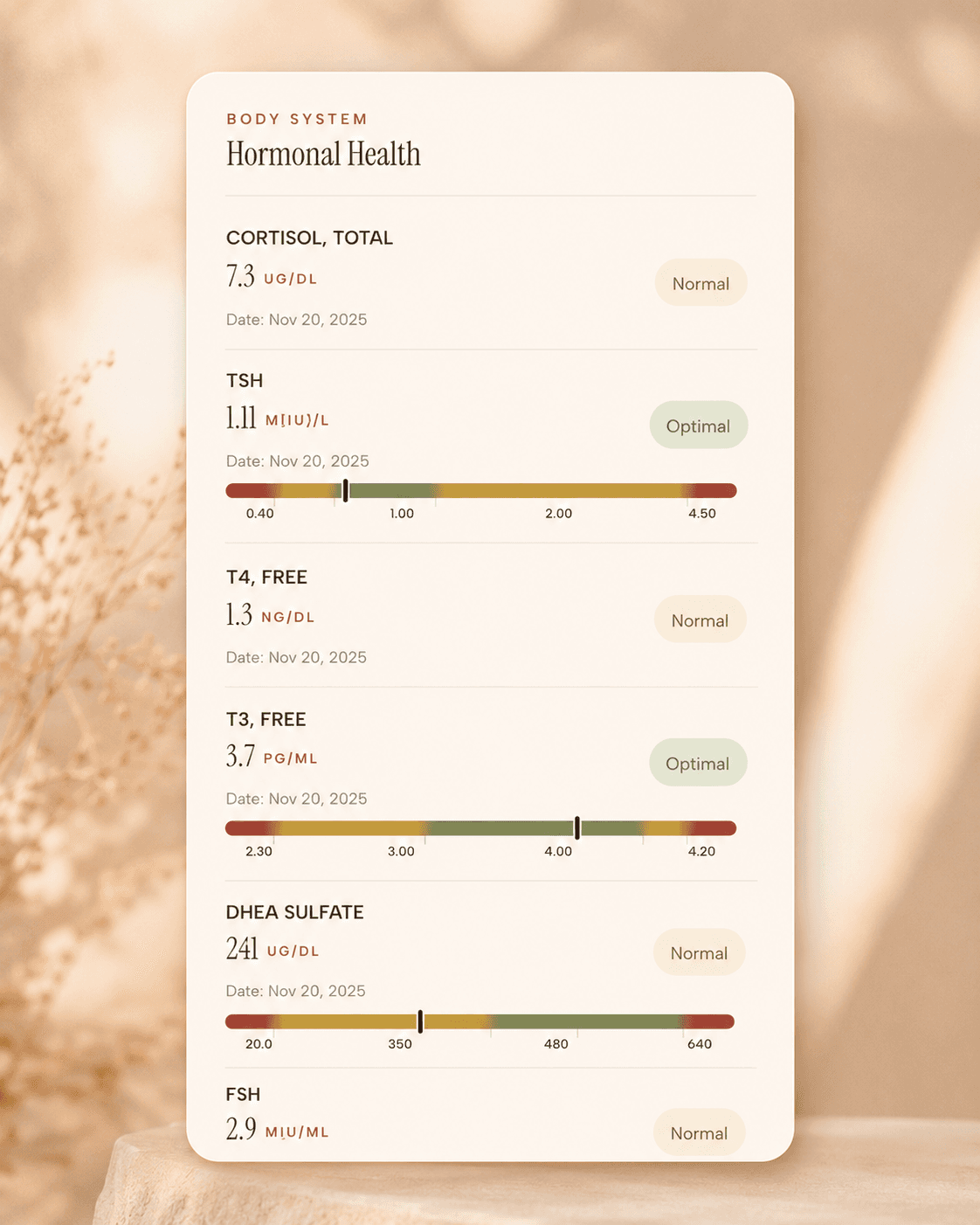
Check ferritin, TSH, and estradiol at Quest
starting from $99 panel with 100+ tests, one visit
No referral needed
About 1 week
Schedule online — results typically within a week
Clear next steps
Guidance included, with follow-up care available
HSA / FSA
Eligible for pre-tax health spending accounts
Pro Tips
If you’re cycle tracking, label day 1 as the first day of real flow (not spotting) and then compare days 3–5 across cycles. That’s the fastest way to tell whether your “follicular slump” is real or just random life noise.
When you feel unusually breathless early in the cycle, do one easy workout at a truly easy pace and watch your heart rate. If it’s 5–10 bpm higher than usual for the same effort, low iron stores or poor recovery is more likely than “lack of motivation.”
If you’re trying to conceive, consider pairing ovulation predictor kits with one mid-follicular note about cervical mucus and one note about energy or sleep. Those two details often explain why an LH surge feels “late” in a stressful month.
If headaches show up in the follicular phase, try shifting caffeine later and smaller rather than quitting suddenly. Withdrawal headaches can look like hormone headaches, and the timing trick helps you separate the two.
If you suspect under-fueling, add one deliberate carb serving around training for two weeks and see what happens to mood and recovery. A clear improvement is a useful data point that your hormones may be reacting to energy availability, not a mysterious imbalance.
Frequently Asked Questions
What symptoms are normal in the follicular phase?
Many people notice better mood, higher energy, and easier workouts as estrogen rises after the first few days of bleeding. It’s also common to have a brief dip in energy right after your period, especially if you slept poorly or bled heavily. If you’re having severe fatigue, dizziness, or shortness of breath that feels out of proportion, consider checking ferritin and talking with a clinician.
Why do I feel tired in the follicular phase when everyone says you should feel great?
The “follicular glow-up” is real for some people, but it disappears if your iron stores are low, your thyroid is sluggish, or you’re carrying a sleep and stress deficit. Heavy periods can lower ferritin even when hemoglobin looks fine, and that can make training feel awful. If this happens for two or more cycles in a row, ferritin and TSH are practical first tests.
Is the follicular phase the best time to work out harder?
Often, yes: many people tolerate intensity and strength work well in the follicular phase because estrogen is rising and perceived effort can feel lower. But your best plan is still progressive, not dramatic, because injury risk goes up when you suddenly spike load. Try adding one higher-intensity session per week in this phase and keep notes on soreness and sleep.
Can follicular phase symptoms affect fertility?
They can, mainly when the symptoms reflect something that also affects ovulation, like under-fueling, high stress load, thyroid dysfunction, or very low estradiol for cycle timing. You don’t need to “feel perfect” to ovulate, but a consistent pattern of low energy, irregular cycles, or absent cervical mucus is worth evaluating. Tracking cycle day plus a targeted lab like estradiol can give you clearer next steps.
When should I worry about follicular phase symptoms?
It’s worth getting checked if you have fainting, chest pain, or shortness of breath at rest, because those are not normal cycle symptoms. On a slower timeline, seek help if fatigue, low mood, or poor performance persists across multiple cycles, or if your periods are getting much heavier or closer together. Bring a simple 2-cycle log and ask about ferritin and TSH so the visit is focused.