Why Are Your Cravings So Strong in Your 60s?
Cravings in your 60s often come from blood sugar swings, sleep and stress hormones, or low protein at meals. Targeted labs—no referral needed.





Cravings in your 60s are usually your body asking for quick energy because your blood sugar is swinging, your sleep and stress hormones are off, or your meals are too low in protein and fiber to keep you full. Hormone shifts after menopause and some common medications can also turn up “food noise,” even if your willpower has not changed. A few targeted labs can help you figure out which pattern fits you so you can fix the cause instead of fighting yourself. Cravings feel personal, but they are often mechanical. In your 60s, you may be less active than you used to be, you may sleep lighter, and your muscle mass can drift down unless you train it, which changes how you handle carbs. That combination makes it easier to get a late-afternoon crash that screams for sweets, or a nighttime urge that feels impossible to ignore. This guide walks you through the most common drivers, what actually helps in day-to-day life, and which blood tests can clarify what is happening. If you want help connecting your exact pattern to next steps, PocketMD can talk it through with you, and Vitals Vault labs can help you confirm what your body is doing.
Why Are Your Cravings So Strong in Your 60s?
Blood sugar swings drive urgency
When your blood sugar rises fast and then drops, your brain reads that drop as an energy emergency, which can feel like sudden, intense cravings for sweets or refined carbs. In your 60s this can happen more easily because insulin sensitivity often declines and muscle mass is lower, so glucose has fewer places to go. If your cravings hit mid-afternoon or after a carb-heavy breakfast, try pairing carbs with protein at that meal and see if the “must have sugar” feeling softens within a week.
Insulin resistance turns up hunger
With insulin resistance, your body needs more insulin to do the same job, and higher insulin can keep you in “store mode” while your cells still feel under-fueled. That mismatch can make you feel hungry soon after eating, especially for snack foods that digest quickly. If you notice belly weight gain plus cravings that show up even after a full meal, it is worth checking A1c and fasting insulin so you are not guessing.
Sleep loss shifts appetite hormones
Short or fragmented sleep changes the hormones that regulate appetite, so you feel less satisfied after eating and more drawn to high-reward foods. You may also have more evening cravings because your brain is trying to stay alert with quick calories. If you wake often, snore, or feel unrefreshed, treating sleep issues (including possible sleep apnea) can reduce cravings more than any “diet rule” ever will.
Stress and low mood fuel cravings
Stress hormones can push your blood sugar up and down, and your brain learns that sugary or salty foods temporarily blunt stress signals. In your 60s, caregiving, retirement changes, grief, or chronic pain can quietly keep your nervous system on high alert, which makes cravings feel like relief rather than hunger. A practical clue is timing: if cravings spike after tense conversations or at the end of a hard day, building a non-food “decompression routine” can be as important as changing what you eat.
Medications and thyroid changes
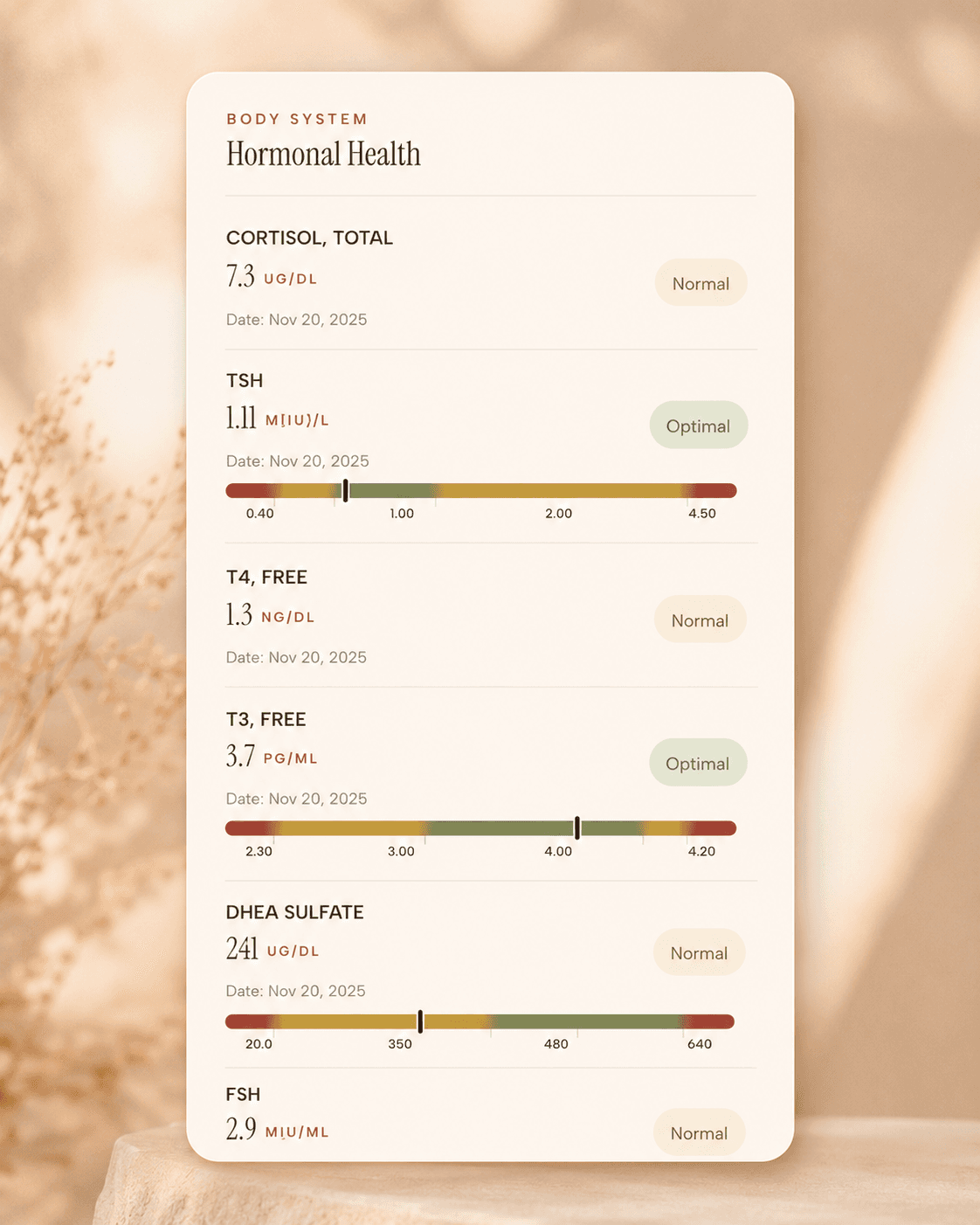
Some medications used more often in your 60s can increase appetite or change how food tastes, including certain antidepressants, steroids, and some diabetes drugs. Thyroid underactivity (an underactive thyroid [hypothyroidism]) can also shift energy, mood, and weight in ways that make you reach for quick fuel, even though it is not the only cause of cravings. If cravings started after a new prescription or you also feel unusually tired, cold, or constipated, bring a medication list to your clinician and consider checking TSH.
What Actually Helps With Cravings
Build a “steady breakfast”
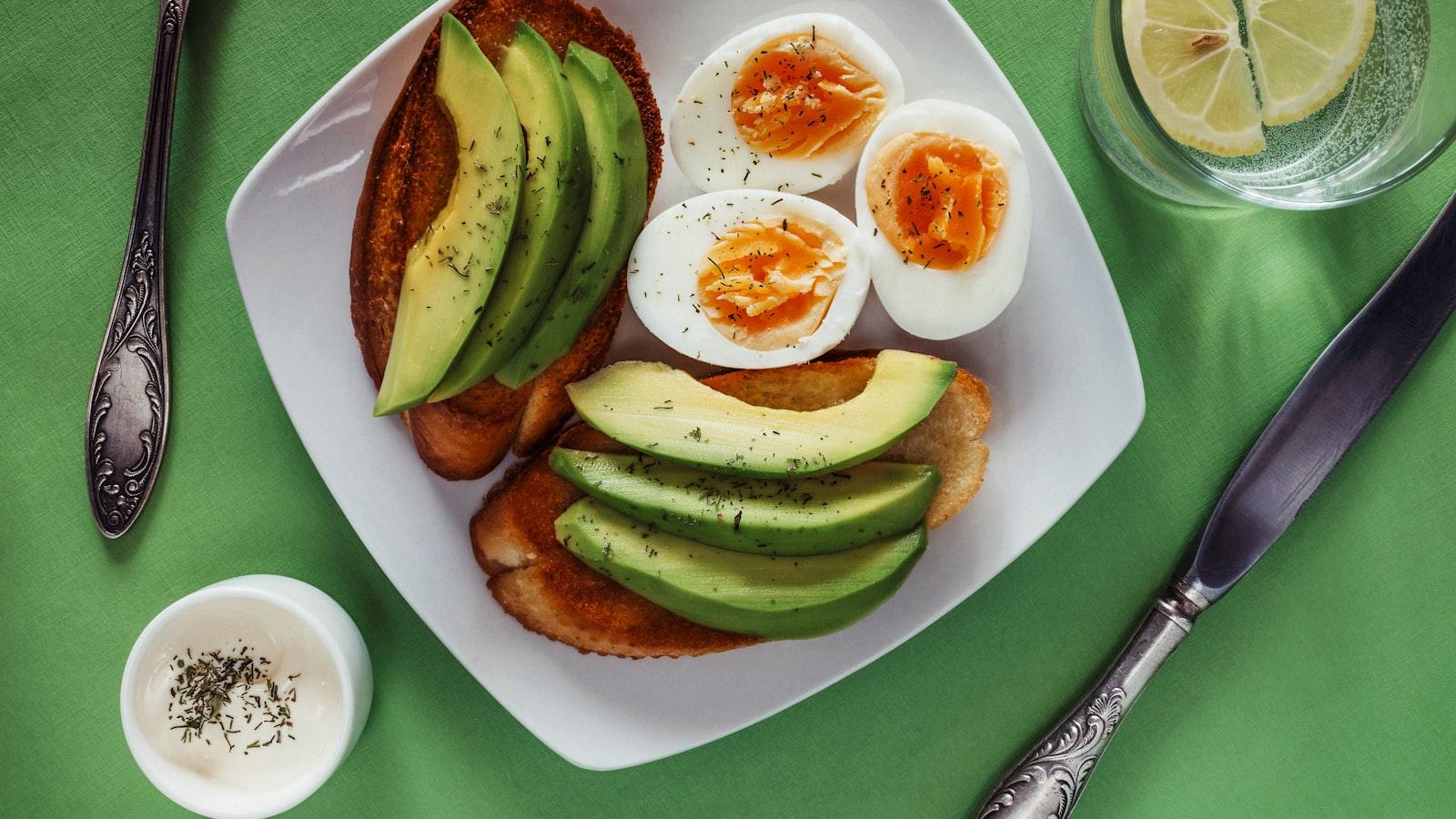
If you start the day with mostly starch or sugar, you often pay for it with a late-morning crash and louder cravings. Aim for 25–35 grams of protein at breakfast, plus fiber, because that slows digestion and steadies blood sugar. A simple test is to change only breakfast for 7 days and see whether your 11 a.m. or 3 p.m. cravings drop in intensity.
Use a protein “speed bump”
When a craving hits, your goal is not to white-knuckle it; your goal is to change the biology driving it. Try a small protein-first option, such as Greek yogurt or a protein shake, and then wait 15 minutes before deciding about the sweet or snack. If the craving was driven by a dip in blood sugar, it often quiets enough that you can choose a smaller portion or skip it without feeling deprived.
Walk after your biggest meal
A 10–20 minute easy walk after lunch or dinner helps your muscles pull glucose out of the blood without needing as much insulin. That can reduce the “post-meal slump” that leads to dessert cravings or pantry grazing later. Keep it gentle and consistent, because the point is blood sugar control, not a workout that leaves you exhausted.
Plan a real afternoon snack
Many cravings in your 60s are predictable, which means you can outsmart them. If you usually crash at 3–4 p.m., schedule a snack with protein and fiber around 2–3 p.m. so you are not making decisions when your brain is screaming. Think of it as preventive medicine for your willpower.
Ask about med adjustments
If a medication change lines up with new cravings or weight gain, do not assume you just “lost discipline.” Your prescriber may be able to adjust the dose, switch to a more weight-neutral option, or time the medication differently so appetite spikes are less intense. Bring a short timeline of when cravings started and what time of day they hit, because that makes the conversation much more productive.
Useful biomarkers to discuss with your clinician
Glucose
Fasting glucose is a fundamental marker of glucose metabolism and insulin function. In functional medicine, we recognize that even 'normal' glucose levels in the upper range may indicate early insulin resistance. Optimal fasting glucose reflects efficient glucose regulation and insulin sensitivity. Elevated fasting glucose suggests the body's inability to maintain normal glucose levels overnight, indicating hepatic insulin resistance or insufficient insulin production. This marker is essential for early detectio…
Learn moreInsulin
Insulin is a master metabolic hormone that regulates glucose uptake, fat storage, and numerous cellular processes. In functional medicine, fasting insulin levels are one of the earliest and most sensitive markers of metabolic dysfunction. Elevated insulin (hyperinsulinemia) often precedes diabetes by years or decades and is central to metabolic syndrome. High insulin levels promote fat storage, inflammation, and contribute to numerous chronic diseases including cardiovascular disease, PCOS, and certain cancers.…
Learn moreHemoglobin A1C
Hemoglobin A1C (HbA1c) reflects average blood glucose levels over the past 2-3 months by measuring the percentage of hemoglobin proteins that have glucose attached. In functional medicine, HbA1c is a cornerstone marker for metabolic health, insulin sensitivity, and diabetes risk assessment. Optimal levels (4.6-5.3%) indicate excellent blood sugar regulation and reduced risk of metabolic disease. Levels above 5.4% but below 5.7% suggest early metabolic dysfunction and increased cardiovascular risk, even before pr…
Learn moreLab testing
Check A1c, fasting insulin, and TSH at Quest
starting from $99 panel with 100+ tests, one visit
No referral needed
About 1 week
Schedule online — results typically within a week
Clear next steps
Guidance included, with follow-up care available
HSA / FSA
Eligible for pre-tax health spending accounts
Pro Tips
Do a 14-day “craving map”: write down the time, what you craved, and what happened in the hour before (meal, stress, poor sleep, alcohol). Patterns usually show up fast, and then you can target one lever instead of trying to overhaul everything.
If cravings hit at night, try moving more of your carbs to dinner and keeping lunch protein-forward. For many people, that reduces evening restlessness and makes it easier to stop eating after the kitchen is “closed.”
When you want something sweet, try a planned portion and pair it with protein, such as fruit with yogurt. You still get the taste you want, but you blunt the blood sugar spike that often triggers a second craving.
If you snack while watching TV, change the cue instead of relying on willpower. Put a cup of tea or flavored sparkling water in your hand first, and wait 10 minutes before deciding on food.
If you suspect a medication is driving cravings, bring your clinician a simple before-and-after timeline. “Cravings started two weeks after starting X and peak around 9 p.m.” is the kind of detail that leads to real solutions.
Frequently Asked Questions
Why am I craving sugar all of a sudden in my 60s?
Sudden sugar cravings are often a blood sugar pattern, especially if you are spiking after meals and then dipping a few hours later. Poor sleep can also amplify cravings by shifting appetite hormones, and new medications can change appetite quickly. If this is new for you, checking HbA1c and fasting insulin can show whether insulin resistance is part of the story.
Are cravings a sign of diabetes or prediabetes?
Cravings alone are not a diagnosis, but frequent intense cravings can happen with insulin resistance, prediabetes, or diabetes because your cells are not using glucose efficiently. An HbA1c of 5.7–6.4% suggests prediabetes, and 6.5% or higher suggests diabetes, although your clinician will interpret it with your full picture. If you also have increased thirst, frequent urination, or blurry vision, get checked soon.
How do I stop cravings at night?
Night cravings often come from being under-fueled earlier in the day, a late blood sugar dip, or using food to downshift from stress. Try a protein-forward dinner and a planned evening snack if needed, then set a clear kitchen “close time” and do a 10-minute wind-down routine before bed. If you snore or wake up unrefreshed, ask about sleep apnea, because treating it can reduce nighttime cravings dramatically.
Do menopause and aging hormones cause cravings?
After menopause, lower estrogen can change how your brain responds to reward and stress, and it can also shift where you store fat, which affects insulin sensitivity. That does not mean cravings are “all hormones,” but it can make blood sugar swings and stress eating more likely. If cravings changed around menopause along with weight gain or sleep disruption, focus on steady meals and strength training rather than cutting more calories.
What blood tests are best for cravings and weight gain?
For cravings in your 60s, HbA1c and fasting insulin help you see whether blood sugar and insulin resistance are driving the urgency to eat. TSH helps screen for thyroid underactivity, which can worsen fatigue and make appetite regulation harder. If any result is abnormal, use it as a starting point for a targeted plan with your clinician rather than a reason to blame yourself.