Bloating in Your 60s: What It Usually Means and What Helps
Bloating in your 60s often comes from slower gut movement, food intolerance, or constipation, and targeted labs can help—no referral needed.






Bloating in your 60s is usually your gut holding onto gas or stool longer than it used to, reacting to a food you no longer tolerate as well, or getting thrown off by a medication or change in routine. It can also happen when your small intestine has too many bacteria (small intestinal bacterial overgrowth [SIBO]) and they ferment what you eat, which makes extra gas. The right labs can help you sort out whether this is more about inflammation, malabsorption, or a thyroid slowdown that is backing everything up. Bloating is frustrating because it is a sensation and a shape change, and those do not always match. You can feel “full” with very little visible swelling, or look distended even when you do not feel gassy. In your 60s, the mix often changes because digestion, activity, hormones, and medication lists change at the same time. This guide walks you through the most common reasons, what tends to help in real life, and how tools like PocketMD and targeted Vitals Vault labs can make the guessing game shorter. If your bloating is new and persistent, or you are also losing weight without trying, vomiting, seeing black or bloody stool, or waking up at night with pain, that is a “get checked soon” situation rather than a DIY project.
Why Bloating Can Show Up in Your 60s
Constipation and slower gut movement
As you get older, your gut can move a little more slowly, and that gives stool more time to dry out and get harder to pass. When stool sits in the colon, it also traps gas, which is why you can feel tight and look distended by late afternoon. A useful clue is that bloating improves after a good bowel movement, even if you still feel “sensitive” for a few hours.
Food intolerance that sneaks up
You can develop trouble digesting certain carbohydrates over time, especially lactose in dairy or the fermentable fibers in foods like onions, beans, and some breads. When those carbs reach your gut undigested, bacteria break them down and produce gas, which can feel like pressure under your ribs or a ballooning lower belly. If bloating reliably follows a specific food within a few hours, a short, structured elimination and re-challenge is often more informative than avoiding everything forever.
SIBO: extra bacteria making gas
With SIBO, bacteria that normally live farther down the digestive tract start thriving in the small intestine, where they ferment food earlier than they should. That can cause bloating soon after meals, frequent burping, and sometimes loose stools or alternating constipation and diarrhea. It is more common after abdominal surgery, long-term acid blockers, or when constipation is chronic, so those details matter when you talk with a clinician.
Low thyroid slowing digestion
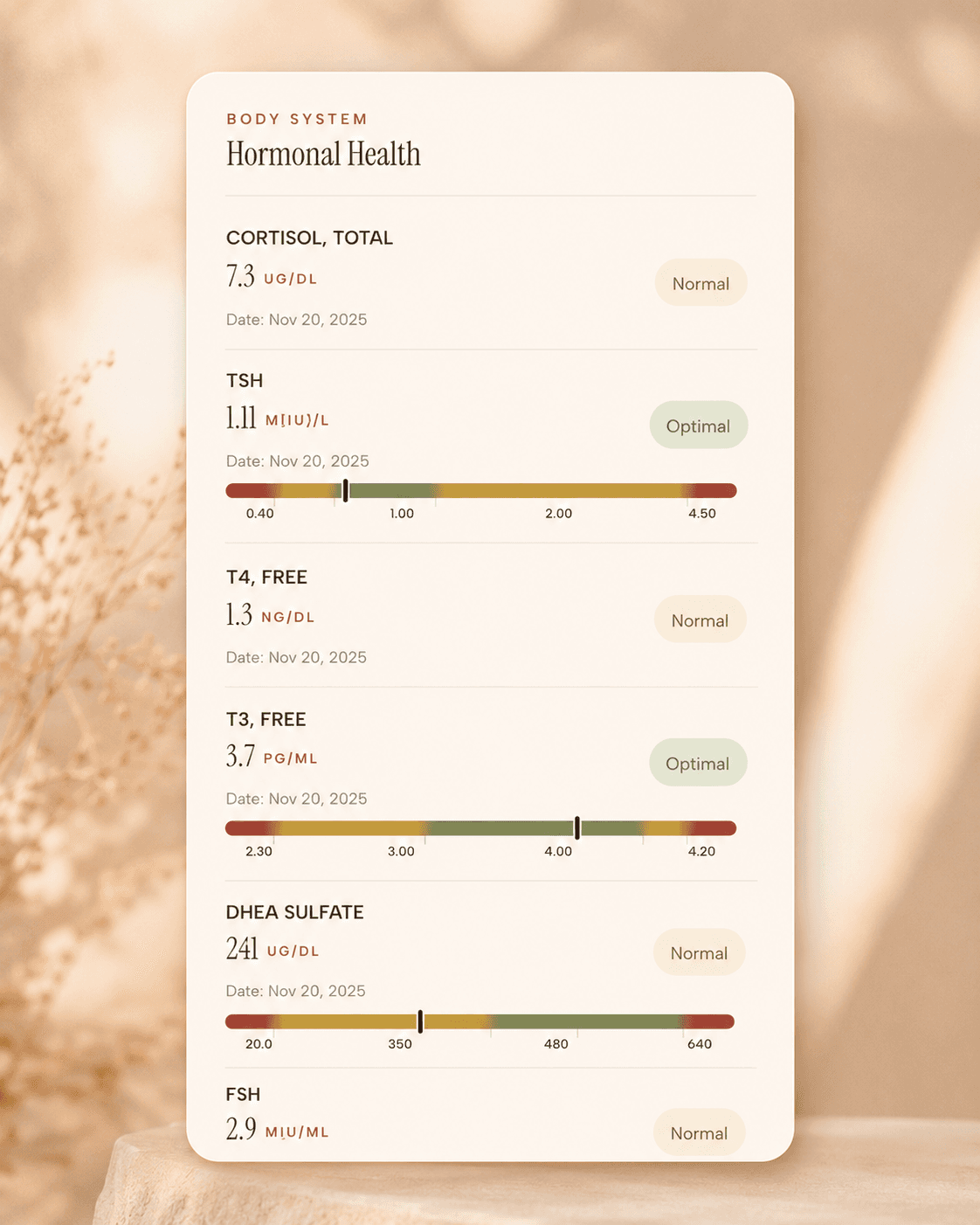
When your thyroid is underactive, your whole system tends to run slower, including the muscles that move food through your intestines. The “so what” is that you can feel puffy, constipated, and bloated even when your diet has not changed, and you might also notice feeling colder than others or having drier skin. Because thyroid symptoms overlap with normal aging, a simple blood test can be a high-value way to rule this in or out.
Medication side effects and supplements
Some common medications in your 60s can cause bloating by slowing the gut, changing your gut bacteria, or irritating the stomach lining. Opioid pain medicines are a classic constipation trigger, and iron or calcium supplements can do it too, while metformin can cause gas and loose stools that still feel like bloating. If your symptoms started within a few weeks of a new pill or a dose change, bring the timing to your prescriber so you can discuss alternatives instead of just suffering through it.
What Actually Helps Bloating
Treat constipation like a root cause
If you are not emptying regularly, almost every other “bloating fix” will disappoint you because the pressure keeps building. Aim for soft, formed stools, and consider adding soluble fiber such as psyllium slowly over 1–2 weeks so you do not create more gas. If you are going more than three days without a bowel movement, or you are straining a lot, it is worth asking your clinician about an osmotic laxative like polyethylene glycol as a short-term reset.
Do a 2-week trigger experiment
Instead of cutting out a long list forever, pick one likely trigger category and test it cleanly for two weeks. For many people, lactose is the easiest first experiment because it is common and the change is clear: use lactose-free dairy or avoid it, then reintroduce a normal serving and see what happens within 4–24 hours. This approach keeps your diet broad while still giving you a real answer.
Change how you eat, not just what
Swallowing extra air can make bloating feel worse even when the food itself is fine, and it is surprisingly easy to do when you eat fast or talk through meals. Try taking 20 minutes for a meal, put your fork down between bites, and skip carbonated drinks for a week as a test. If your belly is flatter by evening, you just found a low-effort lever that does not require a restrictive diet.
Use peppermint oil for IBS-type bloating
If your bloating comes with crampy pain that improves after you pass gas or stool, it often behaves like irritable bowel syndrome (IBS). Enteric-coated peppermint oil can relax the gut’s smooth muscle, which may reduce that tight, spasm-y feeling. It can worsen heartburn in some people, so if reflux is a big issue for you, start low and stop if symptoms flare.
Get evaluated when the pattern changes
New bloating that is persistent, progressive, or paired with red flags deserves a real workup, not just another supplement. In your 60s, clinicians think about things like celiac disease, thyroid problems, and inflammation, and they also consider imaging if your exam suggests fluid or a mass. Bring a simple symptom timeline that includes bowel habits, weight changes, and any new medications so the visit is efficient and focused.
Useful biomarkers to discuss with your clinician
TSH
TSH is the master regulator of thyroid function, controlling the production of thyroid hormones T4 and T3. In functional medicine, we use narrower TSH ranges than conventional medicine to identify subclinical thyroid dysfunction early. Even mildly elevated TSH can indicate thyroid insufficiency, leading to fatigue, weight gain, depression, and metabolic dysfunction. TSH levels are influenced by stress, nutrient deficiencies, autoimmune conditions, and environmental toxins. Optimal TSH supports energy, metabolism…
Learn moreLipase
Lipase is the most specific marker for pancreatic damage. Elevated levels indicate acute pancreatitis with high sensitivity and specificity. It remains elevated longer than amylase after pancreatic injury, making it useful for diagnosis even if testing is delayed. Lipase is a digestive enzyme produced primarily by the pancreas that breaks down dietary fats (triglycerides) into fatty acids and glycerol for absorption in the intestines.
Learn moreVitamin B12
Vitamin B12 (cobalamin) is essential for DNA synthesis, red blood cell formation, neurological function, and energy metabolism. In functional medicine, we recognize that B12 deficiency is surprisingly common, especially in older adults, vegetarians, vegans, and those with digestive issues. B12 deficiency can cause irreversible neurological damage if left untreated. The vitamin is crucial for methylation reactions, which affect cardiovascular health, detoxification, and gene expression. Even subclinical deficienc…
Learn moreLab testing
Get thyroid, inflammation, and celiac screening checked at Quest
starting from $99 panel with 100+ tests, one visit
No referral needed
About 1 week
Schedule online — results typically within a week
Clear next steps
Guidance included, with follow-up care available
HSA / FSA
Eligible for pre-tax health spending accounts
Pro Tips
Try the “evening bloat check”: measure your waist at the navel in the morning and again before dinner for one week. A big daily swing often points to gas or constipation rather than true weight gain, which helps you choose the right fix.
If you suspect dairy, test lactose specifically before you give up all dairy. Use lactose-free milk or hard cheeses for two weeks, then try a normal glass of milk once; the clarity of that re-test is the whole point.
Walk for 10 minutes after your two largest meals for a week. That gentle movement can stimulate the gut’s natural wave motion and often reduces the “stuck” feeling without changing your diet.
If fiber makes you worse, slow down and change the type. Soluble fiber (like psyllium) tends to be better tolerated than large servings of raw cruciferous vegetables when you are already bloated.
Bring a medication-and-supplement list to your next visit and circle anything started in the last 8 weeks. That one detail often saves months of trial-and-error because the fix might be a dose change, timing change, or different formulation.
Frequently Asked Questions
Is bloating in your 60s normal, or should you worry?
Occasional bloating is common, especially if constipation or food intolerance is in the mix, but “new and persistent” bloating is worth taking seriously. If you also have unintentional weight loss, vomiting, black or bloody stool, anemia, or pain that wakes you from sleep, you should get evaluated promptly. If it is more of a recurring pattern, start by tracking bowel frequency and meal triggers for two weeks and bring that to your clinician.
Why do I get bloated every evening but not in the morning?
That pattern often means gas and stool are building up through the day, which is common when gut movement is slower or you are mildly constipated. It can also happen when you eat more fermentable carbs later in the day, so bacteria have more to work on. A practical next step is a one-week experiment: add a 10-minute walk after dinner and aim for softer stools, then see if the evening distension shrinks.
What foods cause bloating in older adults?
The usual culprits are foods that ferment easily, such as beans, onions, wheat-based products, and some fruits, plus dairy if lactose digestion has dropped. The tricky part is that the “problem food” is personal, and the dose matters, so a small serving might be fine while a large one is not. Pick one category to test for two weeks, then reintroduce it once to confirm the connection instead of guessing.
Can thyroid problems cause bloating and constipation?
Yes. An underactive thyroid can slow the muscles that move food through your intestines, which can lead to constipation and a bloated, puffy feeling even without major diet changes. A TSH blood test is the usual starting point, and many people feel best when TSH is roughly 0.5–2.5 mIU/L, depending on their situation. If you also feel unusually cold, tired, or notice dry skin, put thyroid testing on your short list.
How do you know if bloating is SIBO?
SIBO often causes bloating soon after meals because bacteria ferment food in the small intestine earlier than they should. You might also notice frequent burping, diarrhea, or alternating diarrhea and constipation, especially if you have had abdominal surgery or long-standing constipation. Diagnosis is usually with a breath test arranged by a clinician, so if your bloating is meal-linked and persistent, ask specifically whether SIBO testing makes sense for you.