How to Improve Your TIBC Naturally: Causes, Diet Fixes, and What to Retest
Improve TIBC by spacing iron from calcium/tea, choosing better iron foods, and fixing absorption after surgery—then retest at Quest, no referral needed.





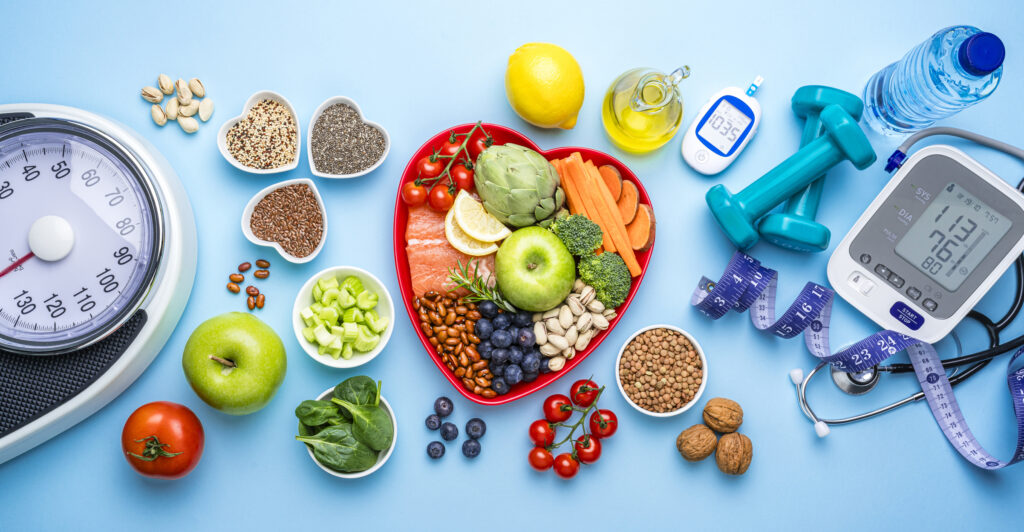
To improve your TIBC (total iron-binding capacity), start by figuring out whether you are truly low on iron, not absorbing it well, or having inflammation that changes iron handling. The biggest levers are iron intake, absorption blockers (like calcium, tea, and some meds), and treating the root cause. Most ways to improve TIBC naturally are lifestyle and supplement-timing changes, but your pattern matters after bariatric surgery. Vitals Vault labs and PocketMD can help you match your results to the right next step.
What Pushes Your TIBC Out of Range?
Low iron intake over time
If you are not getting enough absorbable iron, your body may increase transferrin to “hunt” for iron, which can raise TIBC. This often shows up with low ferritin and fatigue or hair shedding. The takeaway: fix intake before assuming you need high-dose pills.
Malabsorption after bariatric surgery
After gastric bypass or sleeve surgery, less stomach acid and less contact time can reduce iron absorption. You can eat “enough” iron and still run low stores, shifting TIBC and saturation. The takeaway: timing and iron form matter more post-op.
PPIs and low stomach acid
Proton pump inhibitors (PPIs) and chronically low stomach acid can make it harder to absorb non-heme iron from plants and fortified foods. Over months, iron stores can drift down and TIBC patterns can change. Ask whether you still need daily acid suppression.
Iron blocked by calcium, tea, or phytates
Calcium supplements, dairy, tea/coffee polyphenols, and high-phytate foods can bind iron in the gut. That means you may take iron but absorb little of it, especially if you stack supplements together. The takeaway: separate iron from blockers by a few hours.
Inflammation changing iron handling
Inflammation can trap iron in storage and lower transferrin, which often lowers TIBC even when you feel “iron deficient.” This pattern can look like low iron with normal or high ferritin. The takeaway: check an inflammation marker before escalating iron dosing.
How to Improve Your TIBC Naturally
Space iron away from calcium and tea
Take iron (or iron-rich meals) at least 2 hours away from calcium, dairy, tea, coffee, and high-fiber bran. This reduces binding in the gut so more iron reaches your bloodstream. If you take bariatric vitamins, split them into morning and evening doses.
Increase iron through whole food sources
Aim for 3–5 iron-focused meals per week, using heme sources like lean red meat, sardines, or dark poultry when you tolerate them. Heme iron absorbs better and can rebuild stores that influence TIBC patterns. If you avoid meat, plan iron intentionally rather than “hoping” beans cover it.
Pair plant iron with vitamin C foods
Add 50–100 mg vitamin C with plant-based iron (for example, citrus, kiwi, bell pepper, or a small supplement). Vitamin C helps convert iron into a more absorbable form, which is especially helpful with low stomach acid. Keep the pairing consistent for 6–8 weeks before retesting.
Reduce inflammation with sleep and movement
Get 7–9 hours of sleep and add 150 minutes per week of easy-to-moderate movement, like brisk walking. Lower inflammation can normalize transferrin and improve how iron is mobilized, which affects TIBC and saturation. If you are overtraining, pull back for two weeks and reassess.
Use the right iron form post-op
If you are post-bariatric surgery, ask your clinician about elemental iron targets and forms you tolerate, such as ferrous fumarate, polysaccharide iron, or heme iron. The “best” iron is the one you can take consistently without GI side effects. Retest labs in 8–12 weeks after a change.
Tests That Help Explain Your TIBC
Ferritin
Ferritin reflects iron storage and helps you tell low intake/absorption from inflammation-related patterns. Low ferritin with high TIBC often points to depleted stores. It’s included in Vitals Vault Essential panels and common iron add-ons.
Learn moreTransferrin Saturation (TSAT)
TSAT estimates how full transferrin is, using iron and TIBC, and it often tracks symptoms better than TIBC alone. Low TSAT suggests not enough usable iron reaching tissues. You’ll typically get it with an iron/TIBC panel in Vitals Vault testing.
Learn moreHigh-Sensitivity CRP (hs-CRP)
hs-CRP is a sensitive inflammation marker that can explain unexpectedly low TIBC or “mixed” iron results. If hs-CRP is high, fixing inflammation may be as important as adding iron. It’s included in many Vitals Vault heart/metabolic panels.
Learn moreLab testing
Retest TIBC with ferritin and transferrin saturation — starting from $99 panel with 100+ tests, one visit. No referral needed.
Schedule online, results in a week
Clear guidance, follow-up care available
HSA/FSA Eligible
Frequently Asked Questions
What does TIBC measure in plain English?
TIBC estimates how much transferrin, your main iron-transport protein, is available to carry iron. Higher TIBC often means your body is trying to capture more iron, while lower TIBC can happen with inflammation or low protein status. Pair it with ferritin and TSAT.
Can I improve my TIBC naturally?
Often, yes—by improving iron intake, separating iron from calcium/tea, and supporting absorption with vitamin C and better meal timing. If inflammation is the driver, sleep, movement, and treating the source matter more than extra iron. Retest in 8–12 weeks.
Why is my TIBC low after bariatric surgery?
Post-op, you can have low iron intake, reduced absorption, and inflammation, and any of these can shift TIBC. Some people also have low transferrin if overall protein intake is low. Check ferritin, TSAT, and albumin, then adjust your plan.
How long does it take to improve TIBC naturally?
If timing and absorption are the main issues, you may see movement in 6–12 weeks. Rebuilding iron stores usually takes longer than improving daily absorption. Make one clear change, keep it consistent, and retest iron studies at 8–12 weeks.
Should I take iron every day if my TIBC is abnormal?
Not always—TIBC alone does not tell you whether you need iron or whether inflammation is distorting the pattern. Daily iron can cause GI side effects and may not help if ferritin is normal or high. Use ferritin and TSAT to guide dosing with your clinician.