How to Improve Your Small LDL Particle Count Naturally: Diet, Exercise, and Labs That Clarify Risk
Cut refined carbs, lose 5–10% body weight, and add aerobic + strength training to lower small LDL particles—then retest at Quest, no referral needed.





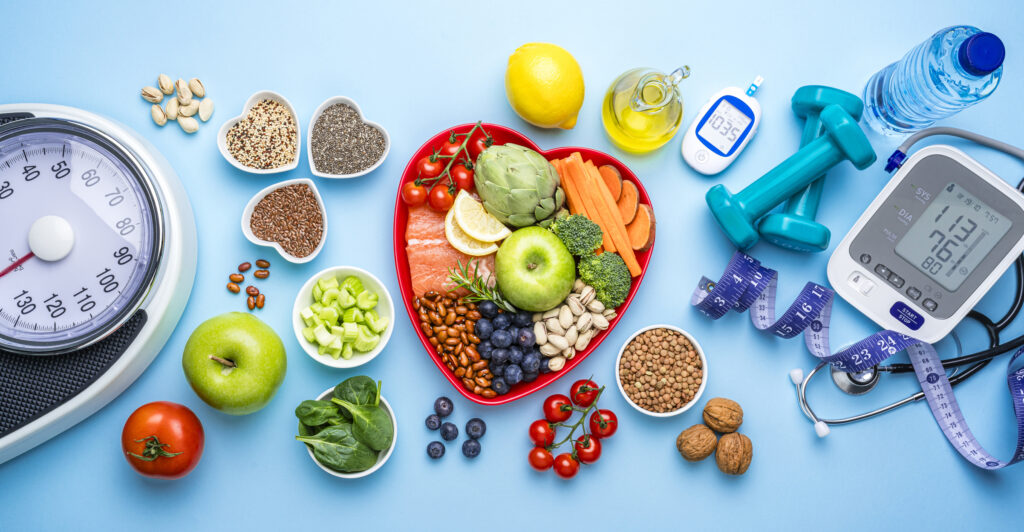
To improve your small LDL particle count, focus on the drivers that create small, dense LDL: high triglycerides, insulin resistance, and excess body fat—especially around your waist. When you lower triglycerides and improve insulin sensitivity, small LDL particles often fall even if your LDL-C barely moves. The key is matching the fix to your pattern. Because one lipid result can hide different root causes, use Vitals Vault labs and PocketMD to connect your small LDL number with ApoB, triglycerides, and insulin markers so you can act naturally and retest with confidence.
What Pushes Your Small LDL Particle Count Up?
Insulin resistance pattern
When your cells resist insulin, your liver tends to make more triglyceride-rich particles. Those particles remodel into smaller, denser LDL. If your triglycerides are high or HDL is low, this is a common driver to target.
High refined-carb intake
Sugary drinks, sweets, and refined starches can raise triglycerides quickly. Higher triglycerides promote more small LDL particles even if total calories are not extreme. A simple clue is frequent snacking on processed carbs.
Excess visceral fat
Fat stored deep in the abdomen sends fatty acids to the liver all day. That pushes VLDL production, which can increase small LDL after lipoprotein “remodeling.” Waist size and fatty liver markers often move with this cause.
Low activity and poor fitness
When you sit most of the day, muscles burn less fat and glucose. That can worsen triglycerides and insulin sensitivity, feeding the small LDL pattern. Even with “normal weight,” low fitness can keep small LDL elevated.
Genetics and ApoB burden
Some people produce more atherogenic particles overall, so small LDL stays high despite decent habits. In that case, ApoB and family history matter more than LDL-C alone. You may still improve the number, but expectations should be realistic.
How to Improve Your Small LDL Particle Count Naturally
Cut refined carbs for 4 weeks
For 4 weeks, replace sugary drinks, desserts, and white-flour snacks with fruit, legumes, and whole grains. This often lowers triglycerides, which reduces the “raw material” that turns into small LDL. Retest after a steady month, not after a holiday week.
Lose 5–10% body weight naturally
Aim for 0.5–1% body weight loss per week until you reach 5–10% loss. Less visceral fat means less liver fat and fewer triglyceride-rich particles that become small LDL. If your weight is stable but waist is rising, prioritize waist reduction.
Eat a Mediterranean-style fat mix
Use olive oil, nuts, seeds, and fatty fish most days, while keeping trans fats and deep-fried foods rare. This pattern tends to improve triglycerides and overall particle quality. Keep portions realistic so “healthy fats” do not become excess calories.
Do 150 minutes cardio weekly
Build to 150 minutes per week of moderate cardio, plus 1–2 short interval sessions if you tolerate them. Aerobic training improves triglyceride clearance and insulin sensitivity, which can lower small LDL particles. Consistency beats intensity for the lab result.
Add strength training twice weekly
Lift weights or do resistance training 2 days per week, covering major muscle groups. More muscle improves glucose handling and can reduce the insulin-resistant lipid pattern tied to small LDL. Give it 8–12 weeks before judging the change.
Tests That Explain Small LDL Particles
Apolipoprotein B (ApoB)
ApoB estimates how many atherogenic particles you have in circulation, not just how much cholesterol they carry. If small LDL is high but ApoB is low, risk may be lower than it looks; if both are high, you need a stronger plan. Included in Vitals Vault Essential.
Learn moreTriglycerides
Triglycerides are a practical lever because they drive the formation of small, dense LDL in many people. If your triglycerides drop, small LDL often follows even without big LDL-C changes. Included in Vitals Vault Essential.
Learn moreLP-IR Score
LP-IR [lipoprotein insulin resistance] summarizes lipoprotein patterns linked to insulin resistance. A high LP-IR suggests your small LDL is being fueled by metabolic factors, so diet, weight loss, and training should be the lead. Available as a Vitals Vault add-on with advanced lipids.
Learn moreLab testing
Retest small LDL particles with ApoB and LP-IR in one place — starting from $99 panel with 100+ tests, one visit. No referral needed.
Schedule online, results in a week
Clear guidance, follow-up care available
HSA/FSA Eligible
Frequently Asked Questions
What is a small LDL particle count?
It estimates how many LDL particles are small and dense, a pattern often linked to higher triglycerides and insulin resistance. Small LDL can be more atherogenic when the total particle burden is high. Pair it with ApoB to understand your real exposure.
Can I improve my small LDL particle count naturally?
Yes—many people lower small LDL by reducing refined carbs, losing 5–10% body weight, and training consistently. The biggest wins usually come from lowering triglycerides and improving insulin sensitivity. Retest after 8–12 weeks of steady habits.
How long does it take to improve small LDL particles?
You can see changes in 4–12 weeks, especially if triglycerides fall quickly. Larger shifts often take 3–6 months when weight loss or fitness gains are the main lever. Pick one plan and stick with it before you judge results.
Should I focus on small LDL or ApoB?
ApoB usually tracks overall atherogenic particle number, which is strongly tied to risk. Small LDL adds pattern information, especially when triglycerides are high. If ApoB is high, treat that as a priority and use small LDL to guide the lifestyle angle.
When should I talk to a clinician about medication?
If you have diabetes, known heart disease, very high ApoB/LDL-C, or strong family history, lifestyle may not be enough on its own. Use your full risk picture—including blood pressure and smoking—to decide. Bring your labs and ask about a timeline to reassess.