How to Improve Your LDL Size Naturally: Food, Exercise, and Labs That Explain It
Cut refined carbs, add fiber and omega-3s, and train consistently to shift LDL size. Retest advanced lipids at Quest—no referral needed.





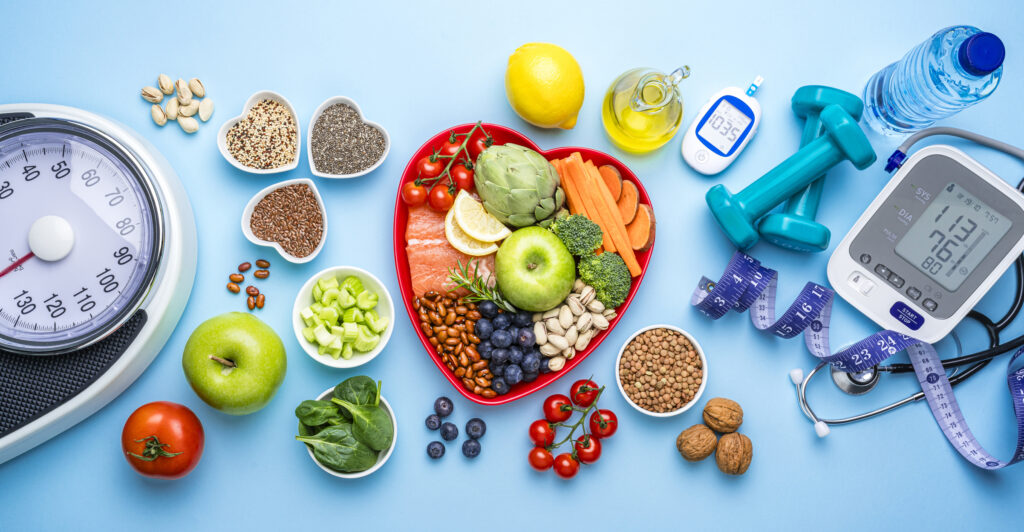
To improve LDL size, focus on the drivers that create small, dense LDL: insulin resistance, high triglycerides, and inflammation. When those improve, your LDL pattern often shifts toward larger particles even if LDL-C does not change much. The key is matching the fix to your pattern. LDL size also swings with fasting length, recent workouts, and weight-loss phases, so one draw can mislead you. PocketMD and Vitals Vault can help you interpret your advanced lipids and decide what to change and when to retest.
What Pushes Your LDL Size Smaller?
Insulin resistance driving small LDL
When your cells resist insulin, your liver tends to make more triglyceride-rich lipoproteins. That process remodels LDL into smaller, denser particles. A common clue is high triglycerides with low HDL.
High refined carbs and added sugar
Frequent spikes from sugary drinks, sweets, and white flour raise triglycerides in many people. Higher triglycerides are tightly linked to smaller LDL size. The takeaway is that “low fat” can still worsen LDL pattern if carbs are high.
Weight loss phase and fat flux
During active weight loss, your body releases more fat into the bloodstream. That can temporarily raise triglycerides and shift LDL size smaller even though your long-term trend is improving. If you are cutting hard, interpret LDL size with extra caution.
Low fiber and low unsaturated fats
Diets light on soluble fiber and unsaturated fats can leave triglycerides higher and LDL metabolism less favorable. Over time, that can support a small-dense LDL pattern. Think of fiber and olive oil as “structure” for your lipid numbers.
Poor sleep and chronic stress
Short sleep and high stress hormones can worsen glucose control and increase triglycerides. That metabolic shift often shows up as smaller LDL particles. If your schedule is chaotic, your labs may reflect it more than your diet.
How to Improve Your LDL Size Naturally
Lower refined carbs naturally at meals
For 4 weeks, replace sugary drinks and refined starches with minimally processed carbs (beans, oats, fruit, potatoes). This often lowers triglycerides, which helps LDL particles become larger. Retest after a stable month, not during travel.
Add 10–15 g soluble fiber daily
Aim for 10–15 g/day of soluble fiber from oats, barley, beans, chia, or psyllium for 6 weeks. Soluble fiber improves post-meal lipids and can reduce triglyceride-driven LDL remodeling. Increase gradually to avoid GI side effects.
Train with intervals and strength work
Do 2 strength sessions plus 1–2 interval sessions weekly for 8–12 weeks. Exercise improves insulin sensitivity and triglyceride clearance, which supports larger LDL size. Keep intensity consistent the week before your draw.
Use omega-3s through food first
Eat fatty fish 2–3 times per week (salmon, sardines, trout) for 6–8 weeks. Omega-3 intake can lower triglycerides, a key lever for LDL size. If you use supplements, choose a reputable brand and track your response.
Limit alcohol for a clean retest
Take a 2–4 week alcohol break, especially if your triglycerides are elevated. Alcohol can raise triglycerides quickly and shrink LDL size even when diet is solid. Retest after a normal week with typical sleep.
Tests That Help Explain Your LDL Size
Triglycerides
Triglycerides are the most practical “why” behind small, dense LDL. If triglycerides are high, LDL size often improves when they come down. Included in Vitals Vault Essential and most cardiometabolic add-ons.
Learn moreApolipoprotein B (ApoB)
ApoB estimates how many atherogenic particles you have, even when LDL size looks better. You can shift to larger LDL but still have too many particles, so ApoB keeps you honest. Available in Vitals Vault Essential.
Learn moreFasting insulin
Fasting insulin helps reveal insulin resistance that drives high triglycerides and smaller LDL size. If insulin is elevated, lifestyle changes that improve glucose handling often improve LDL pattern too. Included in Vitals Vault Essential Plus (metabolic add-on).
Learn moreLab testing
Retest LDL size with ApoB, triglycerides, and fasting insulin — starting from $99 panel with 100+ tests, one visit. No referral needed.
Schedule online, results in a week
Clear guidance, follow-up care available
HSA/FSA Eligible
Frequently Asked Questions
What does LDL size mean on an advanced lipid test?
LDL size estimates whether your LDL particles skew larger (Pattern A) or smaller and denser (Pattern B). Smaller LDL is often linked with higher triglycerides and insulin resistance. Use it with ApoB to judge overall risk.
Can I improve my LDL size naturally?
Yes—many people shift LDL size by lowering triglycerides through fewer refined carbs, more soluble fiber, regular training, and better sleep. The change is most reliable when insulin resistance improves. Retest after 8–12 weeks of consistent habits.
How long does it take to improve LDL size naturally?
You may see movement in 6–12 weeks if triglycerides drop and your routine is steady. If you are actively losing weight, LDL size can lag or fluctuate. Pick a stable month and retest under similar conditions.
If my LDL size improves, does that mean I am in the clear?
Not necessarily, because LDL size can improve while ApoB (particle number) stays high. Risk tracks more closely with how many atherogenic particles you have. Check ApoB and non-HDL cholesterol alongside LDL size.
Why did my LDL size change even though my diet did not?
LDL size is sensitive to fasting length, alcohol, recent hard exercise, and short sleep. Those factors can shift triglycerides and temporarily change your pattern. Standardize your pre-test week and repeat the draw before overcorrecting.