How to Improve Your Erythrocyte Sedimentation Rate Naturally: Causes, Labs, Next Steps
Improve ESR with anti-inflammatory meals, better sleep, and steady movement, plus smart retesting and key labs—no referral needed, retest at Quest.





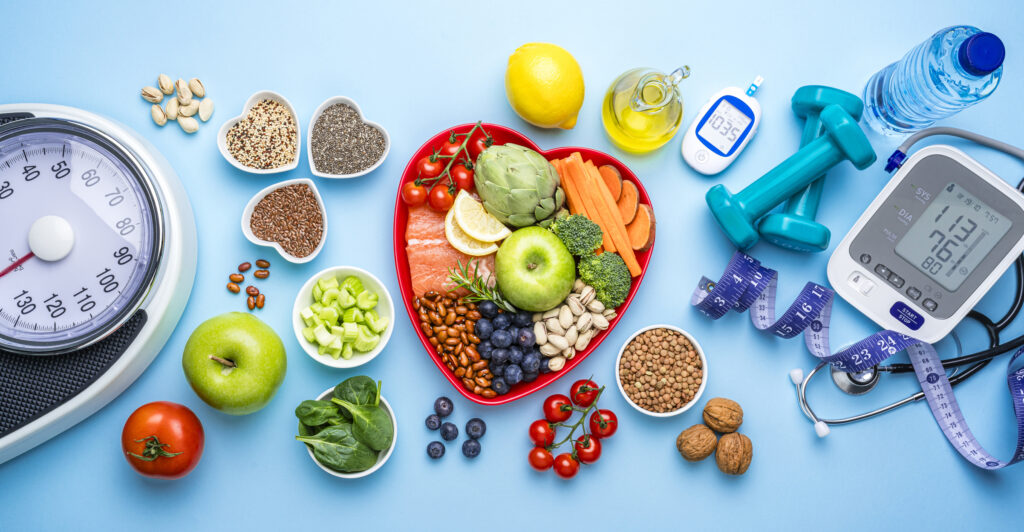
To improve your erythrocyte sedimentation rate (ESR) naturally, focus on lowering the inflammation signal behind it: tighten up an anti-inflammatory eating pattern, prioritize sleep, and keep consistent low-to-moderate movement. ESR can also run high from anemia, infection, or autoimmune flares, so the “right” fix depends on what is driving your number. One ESR result is a snapshot, not a diagnosis. If you want help connecting your ESR with symptoms and companion labs, PocketMD and Vitals Vault can help you plan your next step.
What Pushes Your Erythrocyte Sedimentation Rate (ESR) Up?
Recent infection or illness
A cold, flu, dental infection, or stomach bug can raise ESR for days to weeks. Your number may stay elevated even after you feel better because ESR changes slowly. If you were sick recently, retesting later can prevent overreacting.
Chronic inflammation from lifestyle
Poor sleep, high stress, excess alcohol, and ultra-processed diets can keep low-grade inflammation simmering. That background inflammation can nudge ESR upward and make you feel “run down.” The takeaway is to treat habits as part of the workup, not an afterthought.
Autoimmune or inflammatory conditions
Conditions like rheumatoid arthritis, inflammatory bowel disease, or vasculitis can drive ESR higher during flares. A rising ESR can match worsening pain, stiffness, fevers, or fatigue. If symptoms are escalating, you need medical follow-up, not just lifestyle tweaks.
Anemia or low red cells
When you have anemia, red blood cells settle faster, which can raise ESR even without a big inflammation surge. That means a high ESR sometimes reflects low hemoglobin or iron issues. Checking a CBC and iron studies can clarify the story.
Age, pregnancy, and other physiology
ESR tends to rise with age and can be higher in pregnancy, even in healthy people. This can make a “mildly high” result less alarming than it sounds online. Compare your value to the lab’s reference range and your baseline, if you have one.
How to Improve Your Erythrocyte Sedimentation Rate Naturally
Build meals around anti-inflammatory whole foods
For 4 weeks, aim for a Mediterranean-style plate: vegetables, beans, fruit, olive oil, nuts, and fish 2 times weekly. This pattern can lower inflammatory signaling that contributes to a higher ESR. Keep it simple: repeat 5–7 go-to meals.
Reduce added sugar and alcohol naturally
Cut sugary drinks and desserts to 0–2 times weekly, and take a 2–4 week alcohol break. Both can worsen inflammation and sleep, which can keep ESR elevated. If you drink, track it; “weekend only” can still be a lot.
Move most days with low-to-moderate intensity
Do 150 minutes weekly of brisk walking, cycling, or swimming, plus 2 light strength sessions. Regular movement improves immune regulation and can reduce chronic inflammation over time. Avoid sudden extreme workouts right before retesting.
Prioritize sleep to calm inflammation naturally
For the next 14 nights, target 7.5–9 hours with a consistent wake time and a 60-minute wind-down. Short sleep raises inflammatory markers and can make ESR harder to bring down. If snoring or daytime sleepiness is strong, ask about sleep apnea.
Fix the “anemia” driver if present
If your CBC shows low hemoglobin or small red cells, address iron, B12, or folate with your clinician’s guidance. Correcting anemia can lower ESR even if inflammation is unchanged. Do not start high-dose iron unless labs support it.
Tests That Help Explain Your ESR
High-Sensitivity C-Reactive Protein (hs-CRP)
hs-CRP is a faster-moving inflammation marker than ESR and often changes within days. If ESR is high but hs-CRP is normal, anemia, age, or other non-acute factors may be contributing. Included in Vitals Vault Essential and Inflammation add-ons.
Learn moreComplete Blood Count (CBC)
A CBC shows hemoglobin, hematocrit, and red cell size, which can explain an ESR that looks “too high.” Anemia can elevate ESR and also cause fatigue or shortness of breath. Included in Vitals Vault Essential and most core panels.
Learn moreFerritin
Ferritin reflects iron stores and helps confirm iron deficiency when anemia or low energy is part of the picture. Low ferritin can indirectly raise ESR by contributing to anemia and impaired recovery. Available in Vitals Vault Essential Plus and iron add-ons.
Learn moreLab testing
Recheck ESR with hs-CRP and a CBC to see whether inflammation or anemia is the main driver — starting from $99 panel with 100+ tests, one visit. No referral needed.
Schedule online, results in a week
Clear guidance, follow-up care available
HSA/FSA Eligible
Frequently Asked Questions
What is a normal erythrocyte sedimentation rate (ESR)?
Normal ranges vary by lab, age, and sex, so use the reference range on your report. ESR also rises gradually with age, so a mild elevation can be less meaningful. Compare to your prior results and symptoms, not Google’s worst-case list.
Can I improve my ESR naturally?
Often, yes—especially when the driver is low-grade inflammation from diet, sleep, stress, or inactivity. If ESR is high from infection, autoimmune disease, or significant anemia, lifestyle helps but medical evaluation matters. Start with 4 weeks of consistent habits, then retest.
How long does it take to improve ESR naturally?
ESR is a slower marker, so meaningful change often takes 4–8 weeks after you address the driver. It may lag behind how you feel, especially after an illness. Plan your retest after a stable month, not during a flare.
Is a high ESR always cancer?
No. ESR is a nonspecific inflammation test and is more commonly elevated from infection, autoimmune inflammation, anemia, kidney disease, or age-related factors. Cancer is one possibility, but it is not the default explanation. Use ESR with symptoms and companion labs to guide next steps.
Should I test ESR or hs-CRP to track inflammation?
They answer slightly different questions: hs-CRP changes faster, while ESR can stay elevated longer and is influenced by anemia. Many clinicians order both when the cause is unclear. If you are tracking lifestyle changes, hs-CRP often responds sooner—then confirm with ESR.
Research
Brigden ML. The erythrocyte sedimentation rate: still a helpful test when used judiciously. Postgrad Med. 1998. DOI: 10.3810/pgm.1998.10.431
AHA Scientific Statement: Mediterranean dietary pattern and cardiovascular health. Circulation. 2021. DOI: 10.1161/CIR.0000000000001031
CDC: Adult Physical Activity Guidelines (150 minutes/week plus strength training)