How to Improve Your hs-CRP Naturally: Causes, Labs, Next Steps
Improve hs-CRP with sleep consistency, anti-inflammatory meals, and regular movement, plus smart retesting timing—starting from $99 panel with 100+ tests, one visit, no referral needed.





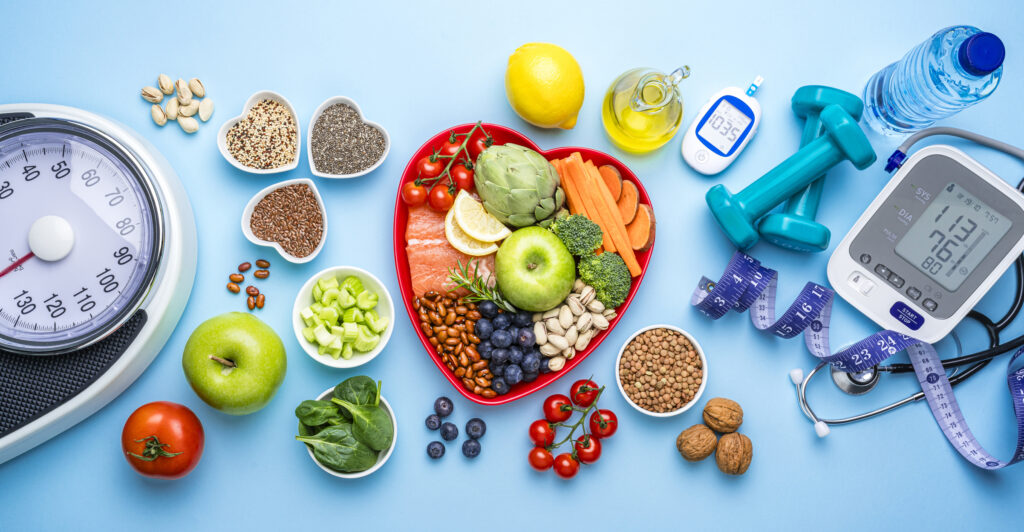
To improve your hs-CRP (high-sensitivity C-reactive protein [hs-CRP]) naturally, focus on the biggest drivers: recent infection or injury, excess visceral fat, and ongoing stress with poor sleep. Your next step is figuring out which one fits you, because the “right” fix is different for a cold than for chronic inflammation. One result also needs timing and context. PocketMD and Vitals Vault can help you interpret your number, pick companion labs, and plan a realistic retest window.
What Pushes Your hs-CRP Out of Range?
Recent infection or injury
A cold, dental infection, hard workout, or minor injury can raise hs-CRP for days to weeks. That can make a single high result look scarier than it is. If you felt “off” recently, retest after you are fully back to baseline.
Extra visceral fat and insulin resistance
Fat tissue, especially around your organs, releases inflammatory signals that keep hs-CRP elevated. This often travels with higher waist size, triglycerides, or A1c. The “so what” is that weight loss and glucose control can move hs-CRP meaningfully.
Smoking or heavy alcohol use
Tobacco smoke and frequent heavy drinking irritate blood vessels and the liver, which can raise hs-CRP. Even if you feel fine, your body may be running “hot” in the background. Cutting back can lower hs-CRP within weeks.
Sleep debt and chronic stress
Short sleep and persistent stress raise cortisol and sympathetic drive, which can increase inflammatory markers like hs-CRP. You may notice this during demanding work periods or caregiving. If your sleep is under 6–7 hours, it is a real lever.
Inflammatory conditions or gum disease
Autoimmune disease, arthritis flares, and periodontal disease can keep hs-CRP chronically elevated. This matters because lifestyle helps, but you may also need targeted medical evaluation. If hs-CRP stays high on repeat tests, ask about a focused workup.
How to Improve Your hs-CRP Naturally
Build anti-inflammatory meals most days
For 4–6 weeks, anchor meals around vegetables, beans, fruit, nuts, olive oil, and fish 2 times weekly. This pattern reduces oxidative stress and tends to lower hs-CRP. Keep it simple: one “Mediterranean-style” plate per day is a start.
Lose 5–10% body weight gradually
If you have central weight gain, aim for 0.5–1% body weight loss per week until you are down 5–10%. Less visceral fat means fewer inflammatory signals, which often drops hs-CRP. Pair calorie reduction with protein and resistance training to preserve muscle.
Move naturally with zones 2 + strength
Do 150 minutes per week of brisk walking or cycling, plus 2 strength sessions. Regular movement improves insulin sensitivity and lowers baseline inflammation. If you are new to exercise, ramp up over 2–3 weeks to avoid a temporary hs-CRP spike.
Prioritize sleep consistency for 14 nights
Set a fixed wake time and target 7–9 hours for two weeks, then reassess. Better sleep reduces stress signaling that can keep hs-CRP elevated. If snoring or daytime sleepiness is present, consider screening for sleep apnea.
Reduce alcohol and stop smoking
Try a 4-week alcohol reset (or keep to 0–3 drinks per week) and make a quit plan for nicotine. Both changes can lower vascular irritation and hs-CRP. Retest after the reset so you can see your true baseline.
Tests That Help Explain Your hs-CRP
Hemoglobin A1c
A1c reflects your average blood sugar over ~3 months and helps spot insulin resistance that can drive higher hs-CRP. If both are elevated, weight loss and activity usually help both. Included in many Vitals Vault metabolic panels.
Learn moreLipid Panel (HDL, LDL, triglycerides)
A lipid panel shows whether inflammation is pairing with higher triglycerides or low HDL, a common cardiometabolic pattern. It also helps you track whether lifestyle changes are improving risk beyond hs-CRP alone. Covered in Vitals Vault Essential-style screening panels.
Learn moreFerritin
Ferritin is an iron-storage marker that also rises with inflammation, infection, or liver stress. If ferritin and hs-CRP are both high, it supports a broader inflammatory picture rather than a one-off blip. Often available as an add-on in Vitals Vault lab orders.
Learn moreLab testing
Retest hs-CRP with A1c and a lipid panel to track inflammation and cardiometabolic risk—starting from $99 panel with 100+ tests, one visit. No referral needed.
Schedule online, results in a week
Clear guidance, follow-up care available
HSA/FSA Eligible
Frequently Asked Questions
What is a good hs-CRP level?
Many labs consider hs-CRP under 1.0 mg/L lower risk, 1–3 mg/L average, and over 3 mg/L higher risk when you are well. A single value is not a diagnosis. Repeat it when you are healthy and compare trends.
Can I improve my hs-CRP naturally?
Yes—hs-CRP often drops with weight loss, Mediterranean-style eating, better sleep, and consistent exercise. The key is removing short-term triggers like illness before judging progress. Pick one lever and retest in 6–8 weeks.
How long does it take to lower hs-CRP?
If the cause is a recent infection or injury, hs-CRP can normalize within 1–3 weeks. For chronic drivers like visceral fat or poor sleep, expect 6–12 weeks of steady habits to see a clear change. Retest on a typical week.
Why is my hs-CRP high if I feel fine?
Low-grade inflammation can come from central weight gain, insulin resistance, gum disease, smoking, or poor sleep even without obvious symptoms. That is why companion markers like A1c and lipids help. Start with lifestyle changes and confirm with a repeat test.
When should I worry about a very high hs-CRP?
Very high results are more often linked to acute infection, significant inflammation, or tissue injury than to long-term risk alone. If your value is markedly elevated or you have fever, chest pain, or shortness of breath, contact a clinician promptly. Otherwise, retest after recovery.
Research
AHA/CDC Scientific Statement: Markers of Inflammation and Cardiovascular Disease (Circulation, 2003)
2019 ACC/AHA Guideline on the Primary Prevention of Cardiovascular Disease (risk-enhancing factors include hs-CRP)
JUPITER trial: Rosuvastatin to prevent vascular events in people with elevated hs-CRP (NEJM, 2008)