How to Improve Your AST Naturally: Causes, Habits, Labs, Next Steps
Cut alcohol, adjust workouts, and review meds to lower AST naturally. See top causes, what to retest, and order labs at Quest—no referral needed.





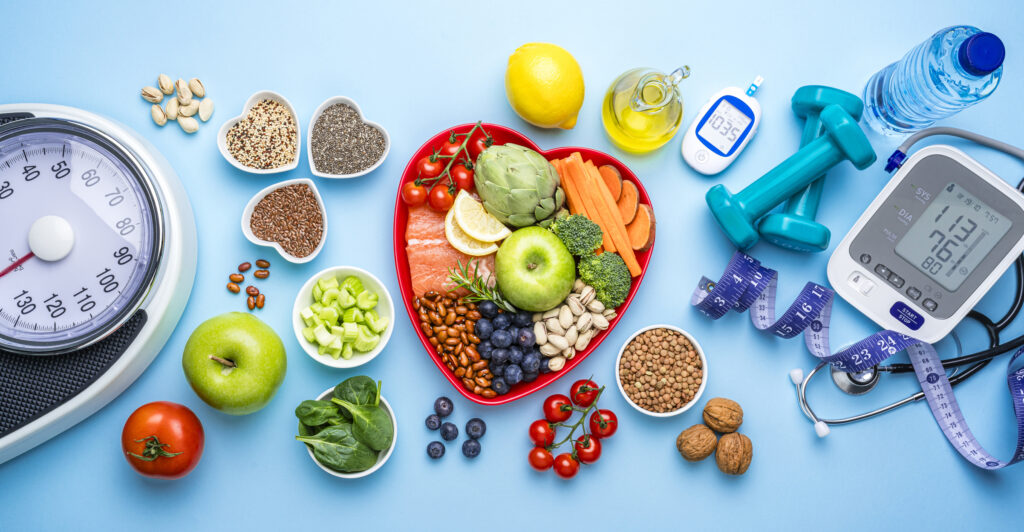
To improve your AST [aspartate aminotransferase] naturally, start by removing the most common drivers: alcohol, recent hard exercise, and medication or supplement effects. Then confirm whether the pattern looks more like liver stress or muscle spillover by checking companion labs. When you know the “why,” the fix gets simpler. One AST result is a snapshot, not a verdict. PocketMD and Vitals Vault can help you interpret your trend and pick a clean retest window.
What Pushes Your AST Out of Range?
Alcohol and recent binge drinking
Alcohol can irritate liver cells and temporarily raise AST, even when you feel fine. If AST rises with GGT or ALT, alcohol is a common clue. A practical takeaway is to pause alcohol for 2–4 weeks before you judge your baseline.
Hard training or muscle damage
AST also lives in muscle, so heavy lifting, long runs, or a new program can bump it up. This can look scary if you only focus on “liver enzymes.” If CK is high too, your AST may be mostly exercise-related.
Fatty liver from insulin resistance
When your liver stores extra fat, it becomes more sensitive to inflammation and enzyme leakage. AST may drift up alongside higher triglycerides or A1c. The takeaway is that waistline and blood sugar habits often matter more than supplements.
Medication or supplement effects
Some prescriptions and over-the-counter products can raise AST, including certain pain relievers and bodybuilding supplements. The “so what” is that your lab may reflect exposure, not permanent damage. Bring a complete list to your clinician before stopping anything.
Viral illness or liver inflammation
Hepatitis viruses, mono, and other infections can raise AST, sometimes sharply. If you also have fatigue, dark urine, or jaundice, it is not a DIY situation. Get prompt medical evaluation and repeat labs as directed.
How to Improve Your AST Naturally
Take a 4-week alcohol reset
Avoid alcohol completely for 4 weeks, then retest on a normal week. This reduces ongoing liver irritation and makes your next AST more interpretable. If your AST drops meaningfully, you have identified a high-impact lever.
Train smart: deload before labs
For 5–7 days before testing, skip maximal lifting, long races, and high-volume eccentric work. This lowers muscle-related AST spillover so you are not chasing a false “liver” problem. Keep light movement like walking or easy cycling.
Build meals around whole foods
For 6 weeks, prioritize minimally processed meals with vegetables, legumes, fish or poultry, and unsweetened dairy if tolerated. This pattern supports liver fat reduction and lowers inflammatory load that can keep AST elevated. Aim for consistency, not perfection.
Lose 5–10% body weight gradually
If you carry extra weight, target 0.5–1% loss per week until you reach a 5–10% reduction. Even modest loss can improve fatty liver and bring AST down. Avoid crash dieting, which can backfire and worsen fatigue.
Review meds and supplements carefully
Write down everything you take, including pre-workouts, herbs, and “fat burners,” and review it with your clinician or pharmacist. Removing a single offending product can normalize AST quickly. Do not stop prescribed meds without a plan.
Tests That Help Explain Your AST
ALT (Alanine Aminotransferase)
ALT is more liver-specific than AST, so the AST-to-ALT pattern helps separate liver stress from muscle spillover. Checking both also improves trend tracking after lifestyle changes. Included in the Vitals Vault Essential panel.
Learn moreGGT (Gamma-Glutamyl Transferase)
GGT often rises with alcohol exposure and bile-duct irritation, adding context when AST is borderline. If AST is high but GGT is normal, alcohol-related liver stress is less likely. Available as a Vitals Vault liver add-on.
Learn moreCreatine Kinase (CK)
CK is a muscle enzyme that spikes after hard training, injury, or rhabdomyolysis. If CK is elevated with AST, your “high AST” may be mostly muscle-driven. Included in select Vitals Vault performance add-ons.
Learn moreLab testing
Retest AST with ALT, GGT, and CK in a starting from $99 panel with 100+ tests, one visit. No referral needed.
Schedule online, results in a week
Clear guidance, follow-up care available
HSA/FSA Eligible
Frequently Asked Questions
Can I improve my AST naturally?
Often, yes—especially when AST is mildly elevated from alcohol, recent intense exercise, or fatty liver. Focus on alcohol reduction, a deload week before testing, and whole-food meals for 6 weeks. Retest with ALT and GGT for context.
How long does it take to improve AST naturally?
If alcohol or a supplement is the driver, AST can improve within 2–4 weeks. If fatty liver is the main issue, expect 6–12 weeks of consistent nutrition and gradual weight loss. Plan your retest after a stable routine week.
Why is my AST high but my ALT is normal?
That pattern can happen when AST is coming from muscle rather than liver, such as after hard training. Check CK and consider a 7-day deload before repeating labs. If symptoms are present, get medical advice promptly.
Should I stop exercising to lower AST?
You usually do not need to stop—just avoid very intense or unfamiliar workouts for 5–7 days before testing. Regular moderate activity can help fatty liver and insulin resistance over time. Use CK to confirm whether exercise is influencing your AST.
When should I worry about a high AST result?
Seek medical care quickly if AST is very high, rising fast, or paired with jaundice, severe abdominal pain, confusion, or dark urine. Also act sooner if you have hepatitis risk factors or heavy alcohol use. Ask for repeat labs plus ALT, GGT, and bilirubin.