What Are the Symptoms of Low White Blood Cell Count?
Low white blood cell count symptoms often come from infections, chemo effects, or immune disorders. Learn warning signs and targeted labs—no referral needed.





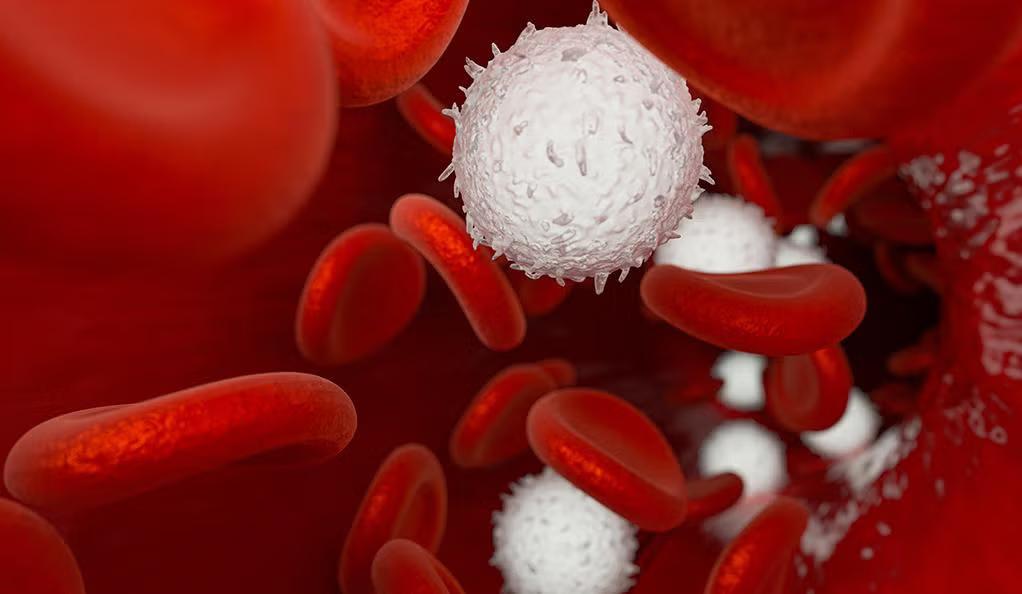
Symptoms of low white blood cell count often show up as infections that keep coming back, infections that hit harder than usual, or fevers that seem to come out of nowhere. The most important “low WBC” problem is usually low neutrophils (your main bacteria-fighting cells), which can make a small infection turn serious fast. A repeat CBC with differential and a few targeted labs can help confirm whether this is a temporary dip (like after a virus or chemo) or a sign of something that needs treatment. Low white blood cells can be frustrating because you can feel completely fine right up until you don’t. That uncertainty is why people spiral after seeing a flagged CBC result, especially if you’re on chemotherapy or take immune-suppressing medicines. In this guide, you’ll learn what symptoms actually point to immune vulnerability, what situations commonly cause low counts, and what you can do today to reduce risk. If you want help connecting your specific symptoms, medications, and lab pattern, PocketMD can help you think it through, and VitalsVault labs can help you recheck key markers without a referral.
Why low white blood cells can feel “invisible”
You get infections more easily
When your white blood cells are low, your body has fewer “first responders” to contain germs early. That can look like sinus infections that keep returning, a cough that lingers for weeks, or skin infections that spread faster than you expect. A useful clue is timing: if you’re getting sick again soon after finishing antibiotics, it’s worth asking for a CBC with differential to see whether neutrophils are the main issue.
Fever becomes a bigger warning
A fever might be your only obvious symptom when your infection-fighting cells are low, because your body may not make much pus, swelling, or redness. This matters most if you’re on chemotherapy or have known neutropenia (low neutrophils), because fever can be the first sign of a serious bloodstream infection. If you have a temperature of 100.4°F (38.0°C) or higher and you’ve been told your neutrophils are low, treat it as urgent and contact your oncology or on-call team right away.
Mouth sores and gum problems
Your mouth is full of bacteria, so when your immune defenses dip, small breaks in the lining can turn into painful sores or gum inflammation. You might notice tenderness when you brush, a sore spot that won’t heal, or a white coating that suggests yeast overgrowth. If this is happening alongside a low WBC result, gentle oral care and a prompt dental or medical check can prevent a minor issue from becoming a deeper infection.
Chemo or immune-suppressing meds
Many cancer treatments and some autoimmune medications slow down your bone marrow, which is the “factory” that makes white blood cells. The pattern often follows a schedule, with counts dropping to a low point (nadir) days after treatment and then recovering. If you’re in that window, your best move is prevention: avoid sick contacts when you can, take fevers seriously, and ask your clinician whether you need dose adjustments or a white-cell booster shot.
Your marrow is under stress
Sometimes low white blood cells are a sign the marrow is not keeping up because of vitamin deficiencies, chronic inflammation, or less commonly a marrow disorder. You may also notice unusual bruising, shortness of breath from anemia, or frequent infections happening together, which is a different pattern than “just low WBC.” If more than one blood cell line is low on your CBC, that’s a strong reason to follow up quickly rather than waiting it out.
What actually helps you stay safer
Know your neutrophil number
The total WBC number is a headline, but your absolute neutrophil count (ANC) is often the real risk marker for bacterial infections. Many clinicians get more concerned when ANC drops below about 1.0 x10^9/L, and the risk rises sharply below 0.5 x10^9/L. Ask for your ANC in plain numbers and write it down, because it helps you and your care team make clearer decisions about fevers and exposure.
Have a fever plan in advance
If you’re at risk for neutropenia, decide ahead of time what you’ll do if you spike a fever, including who you call and where you go after hours. That reduces panic and saves time when minutes matter. Keep a working thermometer at home, and if you’re on chemo, ask whether you should avoid fever-reducing meds until you’ve spoken to your team so you don’t mask a key symptom.
Reduce exposure without isolating
You do not need to live in a bubble, but you do want to be strategic when counts are low. Crowded indoor spaces during respiratory virus season are higher risk, while outdoor meetups and well-ventilated rooms are usually safer. If someone in your household is sick, simple steps like separate towels, wiping shared surfaces, and better airflow can meaningfully cut your exposure.
Protect your skin and mouth barriers
When white cells are low, preventing small breaks in your skin and mouth can prevent big problems. Use a soft toothbrush and a gentle, non-alcohol mouth rinse if you’re prone to sores, and moisturize dry, cracked skin so it doesn’t split. If you shave, consider an electric razor during low-count periods to lower the chance of nicks that can get infected.
Ask about targeted treatments
If medication is the cause, the fix may be as practical as adjusting the dose, changing the drug, or timing blood draws to the right part of your treatment cycle. In some chemo regimens, a white blood cell growth factor (like filgrastim) is used to shorten the low-count window and reduce infection risk. Bring your symptom timeline and your CBC trend to the conversation, because patterns over time are often more informative than a single result.
Useful biomarkers to discuss with your clinician
White Blood Cell Count
White blood cell count (WBC) measures the total number of immune cells and is fundamental for assessing immune system health. In functional medicine, WBC count reflects immune system activity, infection status, and overall health resilience. Low WBC may indicate immunosuppression, nutritional deficiencies, or bone marrow dysfunction. High WBC suggests infection, inflammation, stress, or hematologic conditions. The WBC differential provides detailed information about specific immune cell types and their functions…
Learn moreAbsolute Neutrophils
Absolute neutrophil count (ANC) measures the actual number of neutrophils per microliter and is crucial for assessing infection risk. In functional medicine, ANC is the most important measure of bacterial infection resistance. Low ANC (neutropenia) significantly increases infection risk, while high ANC indicates active infection or inflammation. Absolute neutrophil count measures infection-fighting capacity and is critical for assessing bacterial infection risk.
Learn moreNeutrophil-to-Lymphocyte & Platelet Ratio (NLPR)
This combined ratio captures both inflammatory (NLR component) and thrombotic (platelet) aspects of disease processes. It may provide additional prognostic information beyond NLR alone in certain conditions, particularly in oncology and cardiovascular disease. NLPR combines neutrophil count, lymphocyte count, and platelet count to create a comprehensive inflammatory and thrombotic index.
Learn moreLab testing
Recheck a CBC with differential and key immune clues at Quest
starting from $99 panel with 100+ tests, one visit
No referral needed
About 1 week
Schedule online — results typically within a week
Clear next steps
Guidance included, with follow-up care available
HSA / FSA
Eligible for pre-tax health spending accounts
Pro Tips
If you have a low WBC result, ask for the exact ANC number and the lab’s units, then compare it to your last 2–3 results. A stable low number is a different situation than a fast drop.
Keep a “fever note” on your phone with your oncology or clinic after-hours number, your last ANC, and your current meds. When you feel awful, you won’t want to hunt for details.
If you’re getting frequent mouth sores, switch to a soft toothbrush and brush after meals for a week, then see if the sore frequency drops. Your mouth lining is one of the easiest barriers to protect.
When you’re in a known low-count window after chemo, plan errands for off-peak hours and choose curbside pickup when possible. It’s a small change that can meaningfully reduce exposure.
If your CBC shows more than just low WBC (for example, low hemoglobin or low platelets too), don’t “wait and see” for months. Ask for a clear follow-up plan and a repeat CBC date before you leave the visit.
Frequently Asked Questions
Can you have low white blood cells and feel fine?
Yes. Mild leukopenia (low white blood cells) can cause no symptoms at all, especially if it’s temporary after a viral illness or a medication change. The risk depends more on your absolute neutrophil count (ANC) and whether it is trending downward. If you feel fine but your ANC is below about 1.0 x10^9/L, ask your clinician what precautions they want you to take.
What symptoms should worry you most with low WBC?
Fever is the big one, especially if you have known neutropenia, because it can be the earliest sign of a serious infection. Chills, shortness of breath, confusion, or rapidly worsening weakness are also red flags because they can signal infection spreading beyond one area. If you’re on chemotherapy and your temperature hits 100.4°F (38.0°C) or higher, contact your oncology team urgently.
What is the difference between low WBC and neutropenia?
Low WBC means your total white blood cell count is low, but it doesn’t tell you which type is low. Neutropenia (low neutrophils) is specifically low levels of the cells that fight bacteria, and it is often the part that drives infection risk. That’s why a CBC with differential and the ANC number are so helpful for deciding how concerned you should be.
How low is “too low” for white blood cells?
It depends on which cells are low, but many clinicians focus on ANC thresholds: below about 1.0 x10^9/L is more concerning, and below 0.5 x10^9/L is considered severe neutropenia with much higher infection risk. A single low result can be a blip, but a downward trend across repeat CBCs is more meaningful. Ask for a repeat CBC timeframe rather than guessing.
Can low B12 or folate cause low white blood cells?
Yes. Low vitamin B12 or folate can slow down your bone marrow’s ability to make blood cells, which can lower white cells and sometimes red cells too. People often notice fatigue, tongue soreness, or numbness and tingling with B12 deficiency even before labs look dramatic. If your WBC is low without an obvious cause, checking B12 and folate is a practical next step you can act on.