Insulin Resistance in Pregnant Women: What It Means and What to Do
Insulin resistance in pregnancy is usually driven by placental hormones, pre-pregnancy insulin resistance, or excess weight gain. Targeted labs, no referral needed.





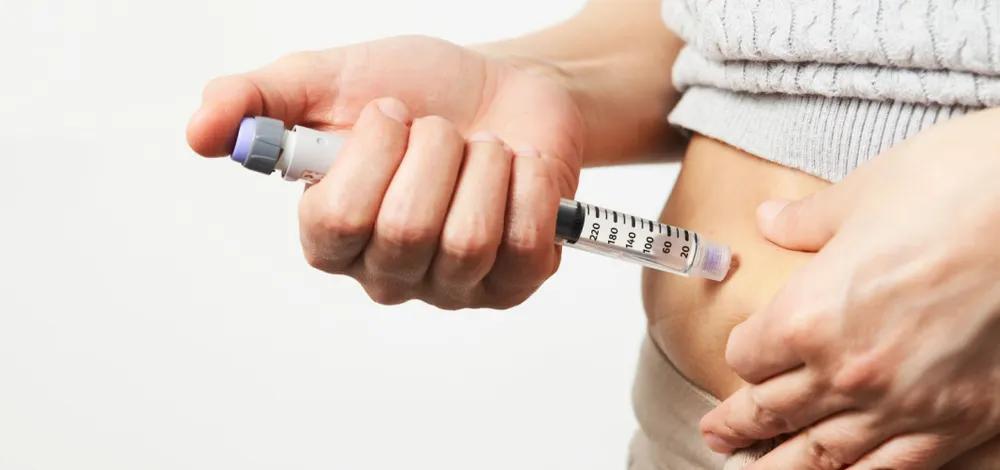
Insulin resistance in pregnancy usually happens because placental hormones make your cells less responsive to insulin, and that effect is stronger if you started pregnancy with insulin resistance from PCOS, prediabetes, or extra weight. The result can be higher fasting sugars, bigger spikes after meals, and that “I ate the same thing and my numbers are worse” frustration. A few targeted labs can help show whether this is mostly a pregnancy-driven shift, an underlying metabolic issue, or a thyroid-related slowdown. It’s also emotionally loaded, because you’re not just thinking about your health. You’re thinking about your baby, and the word “diabetes” can feel like a cliff edge. The good news is that insulin resistance is common in pregnancy, and for many people it’s manageable with specific food timing, the right kind of movement, and sometimes medication when your placenta is simply outmuscling your pancreas. If you want help making sense of your pattern, PocketMD can talk it through with you, and Vitals Vault labs can help you and your clinician focus on the most relevant numbers.
Why Insulin Resistance Can Spike in Pregnancy
Placental hormones block insulin
As your placenta grows, it releases hormones that help shunt more fuel to the baby, but a side effect is that your muscle and liver stop “listening” to insulin as well. That means your pancreas has to make more insulin just to keep your blood sugar steady, and if it can’t keep up, your numbers rise. If your fasting sugar is creeping up even when you’re eating carefully, this hormone-driven resistance is often the reason.
Starting pregnancy already insulin resistant
If you had prediabetes, metabolic syndrome, or a history of gestational diabetes, you may have been running higher insulin levels long before pregnancy. Pregnancy then adds another layer of resistance, so the same breakfast that used to be fine can suddenly cause a big spike. The practical takeaway is that earlier screening and earlier lifestyle adjustments tend to work better than waiting for the standard mid-pregnancy glucose test.
PCOS makes the shift stronger
With polycystic ovary syndrome (PCOS), insulin resistance is often part of the underlying biology, even in people who are not overweight. During pregnancy, that baseline resistance can make it harder to keep fasting and post-meal sugars in range, and it can also amplify cravings and energy crashes. If you have PCOS, ask about earlier glucose monitoring and whether a lower-glycemic breakfast pattern would help your specific numbers.
Too much weight gain too fast
Pregnancy weight gain is normal, but when gain is rapid early on, your body tends to store more fat around the abdomen and liver, which worsens insulin resistance. You might notice you feel hungrier sooner after meals, or you need larger portions to feel satisfied, and then your glucose spikes anyway. A helpful move is to focus less on calories and more on meal composition and walking after meals, because that can improve glucose without dieting.
Sleep loss and stress hormones
Short sleep and high stress raise your adrenaline and cortisol, which tell your liver to release extra glucose so you have “energy” to cope. In real life, that shows up as higher fasting sugars, more morning nausea with carb cravings, and feeling wired but tired. If your numbers are worst after a bad night, treat sleep as a glucose tool: a consistent bedtime and a protein-forward evening snack can make mornings easier.
What Actually Helps Right Now
Build meals to blunt spikes
Start with protein and fiber, then add carbs, because that slows how fast glucose hits your bloodstream. For many pregnant people, breakfast is the hardest meal, so swapping a cereal-and-juice start for eggs with whole-grain toast or Greek yogurt with nuts can change your whole day. If you track sugars, you’re aiming for a smaller rise at 1 hour after eating, not a perfect “flat line.”
Walk for 10–20 minutes after meals
Your muscles can pull glucose out of your blood with much less insulin when they’re moving, which is why a short post-meal walk is so powerful. It does not have to be intense, and it still works even if you feel too pregnant for “exercise.” If you can only do one thing, do it after your highest-carb meal, because that’s where you’ll see the biggest payoff.
Use bedtime strategy for fasting sugars
High fasting glucose often comes from overnight liver glucose release, not from what you ate at 7 a.m. A small bedtime snack that pairs protein with a little slow carb, like cheese with whole-grain crackers, can reduce the 3–5 a.m. glucose dump for some people. If fasting numbers stay high despite this, it’s a strong signal to talk with your OB or diabetes educator sooner rather than later.
Monitor in a way that guides decisions
Checking a fasting value and a 1-hour post-meal value gives you a clear picture of whether the issue is baseline insulin resistance, meal spikes, or both. Targets vary by clinic, but many use fasting under 95 mg/dL and 1-hour under 140 mg/dL for gestational diabetes management. Bring a 7-day log to appointments, because patterns get treated, not one-off readings.
Medication when lifestyle isn’t enough
Sometimes your placenta’s hormone output is simply too strong, and no amount of “perfect eating” will fully control glucose. Insulin is the most established option in pregnancy, and some clinicians also use metformin in selected situations, especially with PCOS, although practices vary. If you’re needing medication, it is not a failure; it is a way to protect your baby from prolonged high glucose exposure.
Useful biomarkers to discuss with your clinician
Glucose
Fasting glucose is a fundamental marker of glucose metabolism and insulin function. In functional medicine, we recognize that even 'normal' glucose levels in the upper range may indicate early insulin resistance. Optimal fasting glucose reflects efficient glucose regulation and insulin sensitivity. Elevated fasting glucose suggests the body's inability to maintain normal glucose levels overnight, indicating hepatic insulin resistance or insufficient insulin production. This marker is essential for early detectio…
Learn moreInsulin
Insulin is a master metabolic hormone that regulates glucose uptake, fat storage, and numerous cellular processes. In functional medicine, fasting insulin levels are one of the earliest and most sensitive markers of metabolic dysfunction. Elevated insulin (hyperinsulinemia) often precedes diabetes by years or decades and is central to metabolic syndrome. High insulin levels promote fat storage, inflammation, and contribute to numerous chronic diseases including cardiovascular disease, PCOS, and certain cancers.…
Learn moreHemoglobin A1C
Hemoglobin A1C (HbA1c) reflects average blood glucose levels over the past 2-3 months by measuring the percentage of hemoglobin proteins that have glucose attached. In functional medicine, HbA1c is a cornerstone marker for metabolic health, insulin sensitivity, and diabetes risk assessment. Optimal levels (4.6-5.3%) indicate excellent blood sugar regulation and reduced risk of metabolic disease. Levels above 5.4% but below 5.7% suggest early metabolic dysfunction and increased cardiovascular risk, even before pr…
Learn moreLab testing
Get fasting glucose, fasting insulin, and A1C checked at Quest
starting from $99 panel with 100+ tests, one visit
No referral needed
About 1 week
Schedule online — results typically within a week
Clear next steps
Guidance included, with follow-up care available
HSA / FSA
Eligible for pre-tax health spending accounts
Pro Tips
If breakfast spikes you no matter what, try making it your lowest-carb meal for one week and move most of your starchier carbs to lunch or dinner when insulin sensitivity is often better.
When you eat carbs, pair them with a “speed bump” you can repeat: start the meal with protein, and finish with a short walk. Consistency beats perfection here.
If you’re checking glucose at home, wash and dry your hands first and use the side of your fingertip, because tiny sugar residues from fruit or lotion can fake a high reading.
If fasting numbers are the problem, experiment with a small bedtime snack for 3 nights in a row before you judge it. One night is not enough to see a pattern.
Bring your log to appointments with one sentence at the top: “My fasting is usually X and my 1-hour after meals is usually Y.” It helps your clinician act faster than a photo dump of numbers.
Frequently Asked Questions
Is insulin resistance normal during pregnancy?
Yes, some insulin resistance is expected because placental hormones make it harder for insulin to work, especially in the second and third trimesters. It becomes a problem when your pancreas can’t keep up and your fasting or post-meal glucose rises into gestational diabetes ranges. If you’re seeing fasting values near or above 95 mg/dL repeatedly, bring that pattern to your OB and ask about earlier monitoring.
What are early signs of insulin resistance in pregnancy?
Common clues are higher fasting glucose, bigger spikes after meals, strong carb cravings, and energy crashes that feel out of proportion to what you ate. Some people also notice rapid early weight gain or feeling unusually hungry soon after meals. A fasting glucose plus fasting insulin can show whether your body is needing “extra insulin” to keep sugars controlled.
Can you have a normal A1C and still have gestational diabetes?
Yes. A1C is an average, and in pregnancy it can run lower because red blood cells turn over faster, so it may miss sharp post-meal spikes. That’s why clinics rely on glucose screening tests and/or home glucose checks rather than A1C alone. If your A1C is normal but your finger-sticks are high, trust the finger-sticks and talk about next steps.
What fasting insulin level is considered high in pregnancy?
There isn’t one perfect cutoff because pregnancy itself can raise insulin, but a fasting insulin that is clearly elevated suggests deeper insulin resistance even if glucose is only mildly high. In non-pregnant adults, many metabolically healthy people are under about 8 µIU/mL, while persistent values above roughly 15–20 µIU/mL often signal significant resistance. Use it as a trend and a context clue alongside fasting glucose and your symptoms.
Will insulin resistance go away after pregnancy?
For many people, the hormone-driven part improves quickly after delivery because the placenta is gone. However, if you had insulin resistance before pregnancy, or you develop gestational diabetes, your long-term risk of type 2 diabetes is higher and follow-up testing matters. Ask for postpartum glucose testing (often at 4–12 weeks) and make a plan for what you’ll monitor over the next year.