How to Improve Your Urine Glucose Naturally: Causes, Fixes, and What to Retest
Cut sugary drinks, balance carbs with protein, and hydrate smart to lower urine glucose. Retest with a $99+ 100-test panel at Quest—no referral needed.





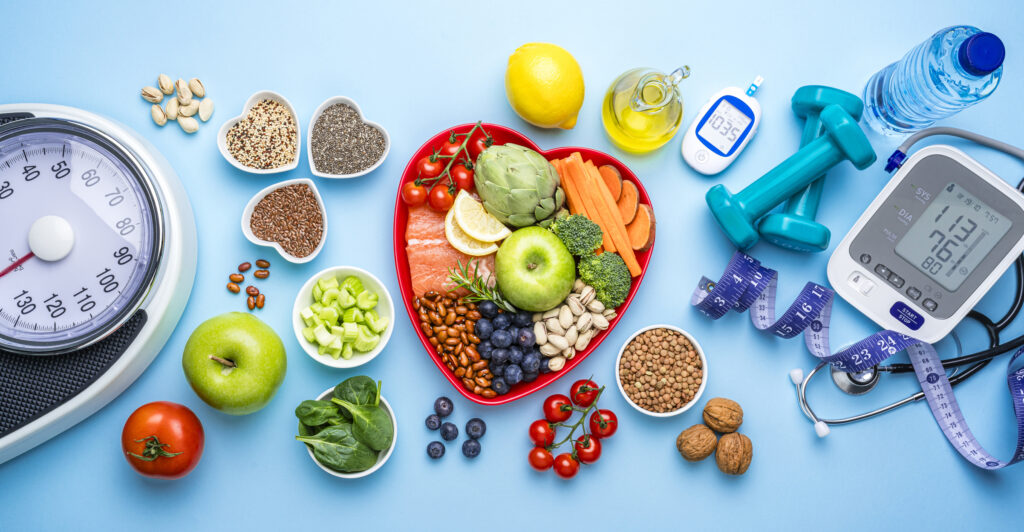
To improve urine glucose, focus on the drivers that push blood sugar above your kidney “spill” point: high-carb drinks/snacks, missed meals followed by big carb loads, and insulin resistance. Once you know which pattern fits you, the fix gets much clearer. Because dipsticks and timing can mislead, it helps to pair your strip result with a few blood tests. PocketMD and Vitals Vault can help you connect your number to the most realistic next step—naturally, and without guesswork.
What Makes Your Urine Glucose Show Up?
Blood sugar spikes after carbs
A big carb load (especially liquid sugar) can raise blood glucose fast. When it rises above your kidney threshold, glucose spills into urine. Your takeaway: look at what you ate or drank in the 2–6 hours before the test.
Insulin resistance building over time
If your cells resist insulin, glucose stays higher for longer after meals. That makes urine glucose more likely, even without obvious symptoms. A common clue is a higher fasting glucose or A1c alongside the urine finding.
Diabetes or prediabetes
With sustained high blood glucose, urine glucose can become frequent rather than occasional. This matters because it often tracks with dehydration, fatigue, and higher infection risk. If you see repeated positives, confirm with A1c and fasting glucose soon.
Lower kidney threshold for glucose
Some people spill glucose at lower blood sugar levels, which is called renal glucosuria [renal glucosuria]. Your urine strip can look “worse” than your blood sugar really is. The key is comparing urine glucose to a same-week fasting glucose and A1c.
Testing and strip errors
Old strips, contaminated cups, or reading the pad too late can create false results. Concentrated urine from dehydration can also make readings look more dramatic. Use a fresh strip, midstream sample, and the exact timing on the package.
How to Improve Your Urine Glucose Naturally
Cut sugary drinks naturally for 14 days
For two weeks, remove soda, juice, sweet coffee drinks, and sports drinks, and swap in water or unsweetened options. Liquid sugar spikes glucose quickly and is a common reason urine glucose turns positive. Retest after a normal day, not after a party or long workout.
Build meals from protein and fiber
At each meal, start with 25–35 g protein plus a high-fiber carb (beans, oats, lentils, vegetables). This slows glucose absorption and lowers post-meal peaks that trigger urinary spillover. Do it consistently for 4–6 weeks before judging results.
Walk 10 minutes after meals
Do a brisk 10-minute walk within 30 minutes after your largest carb meal. Muscle contraction pulls glucose out of the bloodstream without needing extra insulin. Many people see lower post-meal readings within days, even before weight changes.
Sleep 7–9 hours to reduce insulin resistance
Aim for 7–9 hours nightly for two weeks, and keep wake time consistent. Short sleep raises stress hormones and worsens insulin resistance, which can keep glucose elevated longer. If you snore loudly or wake unrefreshed, consider screening for sleep apnea.
Hydrate steadily, not all at once
Drink enough that your urine is pale yellow most of the day, and spread fluids across morning and afternoon. Dehydration concentrates urine and can make dipstick results look more intense. Avoid “flushes,” which can also dilute other useful urine markers.
Tests That Help Explain Urine Glucose
Hemoglobin A1c (HbA1c)
A1c estimates your average blood sugar over about 2–3 months. If urine glucose is positive and A1c is elevated, the issue is usually sustained hyperglycemia rather than a one-off meal. Included in many Vitals Vault Essential-style metabolic panels.
Learn moreFasting Glucose
Fasting glucose shows your baseline blood sugar after at least 8 hours without calories. It helps you tell apart post-meal spikes from a higher all-day set point that can drive glucosuria. Commonly included with urine testing in Vitals Vault core panels.
Learn moreUrinalysis (Dipstick + Microscopy)
A full urinalysis confirms glucose and checks for ketones, protein, and signs of infection that can change how you interpret symptoms. It also helps validate home strip results when timing or storage is questionable. Available as an add-on with many Vitals Vault plans.
Learn moreLab testing
Retest urine glucose with A1c and fasting glucose—starting from $99 panel with 100+ tests, one visit. No referral needed.
Schedule online, results in a week
Clear guidance, follow-up care available
HSA/FSA Eligible
Frequently Asked Questions
Can I improve my urine glucose naturally?
Often, yes—especially if it is driven by post-meal spikes. Reducing sugary drinks, pairing carbs with protein/fiber, and walking after meals can lower peaks that spill into urine. Retest after 2–6 weeks of consistent habits.
Does urine glucose always mean diabetes?
No. It can happen after a large carb load, with certain testing errors, or from a lower kidney threshold (renal glucosuria). Confirm with fasting glucose and A1c to see whether blood sugar is truly running high.
How long does it take to improve urine glucose naturally?
If it is mostly meal-related, you may see improvement within 1–2 weeks after cutting liquid sugar and adding post-meal walks. If insulin resistance is the driver, expect 4–12 weeks of consistent diet, sleep, and activity. Retest on a typical week.
Why is my home strip positive but my blood sugar seems normal?
You may be spilling glucose at a lower blood sugar level, or the strip timing/storage may be off. Compare a same-week urinalysis with fasting glucose and A1c to separate kidney-threshold issues from true hyperglycemia.
When should I retest urine glucose?
Retest after you have held one clear change for at least 2 weeks, and ideally after 4–6 weeks if you are changing multiple habits. If you have frequent urination, thirst, weight loss, or ketones, test sooner and seek care.
Research
American Diabetes Association. Standards of Care in Diabetes—2024 (diagnosis and glycemic targets).
WHO guideline: Use of glycated haemoglobin (HbA1c) in the diagnosis of diabetes mellitus (2011).
Colberg SR et al. Physical activity/exercise and diabetes: position statement. Diabetes Care. DOI: 10.2337/dc12-2461