Wearable HRV & Readiness Scores: What Science Says
Your wearable's readiness score is measuring something real — but it is probably not measuring what you think it is, and the algorithm turning that signal into a number has almost certainly never been tested in a rigorous clinical trial.


Your wearable's readiness score is measuring something real — but it is probably not measuring what you think it is, and the algorithm turning that signal into a number has almost certainly never been tested in a rigorous clinical trial. Heart rate variability is a genuine physiological signal with decades of research behind it. The single-number 'readiness' or 'recovery' score your device spits out each morning is a different thing entirely, and the gap between those two facts matters a lot. This debate moved from niche forums into the mainstream this week after cardiologist and researcher Eric Topol published a pointed critique of the evidence gaps behind consumer wearable HRV and readiness scores, prompting a wave of reassessment in the quantified-self community. If you have been waking up and letting a ring or a watch decide whether to push hard or rest, it is worth understanding what that score is actually built on — and what it is not. If you want to pair your wearable data with real lab biomarkers, Vitals Vault's panels and PocketMD telehealth line can help you build a fuller picture.
Why this is trending
The conversation exploded this week largely because Topol — one of the most credible voices in digital medicine — named something that many researchers had been saying quietly for years: the proprietary algorithms that convert raw HRV data into a readiness score are almost entirely unvalidated against clinical outcomes. Wearable companies have published accuracy studies on the raw sensor data, but those are not the same as proving that a low readiness score predicts injury, illness, or poor performance in a peer-reviewed, independent trial. At the same time, the market for these devices has grown enormously, and millions of people are now making daily decisions about training, sleep, and stress based on scores that carry the aesthetic of precision medicine without most of its rigor. That combination — wide adoption, thin evidence, and a credible critic willing to say so plainly — is what turned a long-standing methodological concern into a genuine public conversation.
What HRV and Readiness Scores Actually Are
Heart rate variability is a real physiological signal
Heart rate variability [HRV] is the tiny fluctuation in time between each of your heartbeats, and it is controlled largely by your autonomic nervous system — the part of your nervous system that runs your body on autopilot. When your body is well-rested and unstressed, that gap between beats varies more, which is generally a sign that your nervous system is flexible and responsive.
Wearables measure HRV with optical sensors, not ECG
Clinical HRV research has historically used an electrocardiogram [ECG], which reads the electrical signal of your heart directly from your chest. Consumer wearables use a light-based sensor on your wrist or finger called photoplethysmography [PPG], which estimates heartbeat timing by detecting changes in blood flow — and that distinction introduces meaningful measurement error, especially during movement or when your skin is cold or dry.
A readiness score is an algorithm, not a measurement
Your device takes its HRV reading, blends it with sleep duration, resting heart rate, skin temperature, and sometimes activity history, then runs all of that through a proprietary formula to produce a single number. That formula was built by the company's data science team, and in most cases it has not been independently validated against outcomes like injury rates, illness, or athletic performance in published peer-reviewed research.
Lab testing
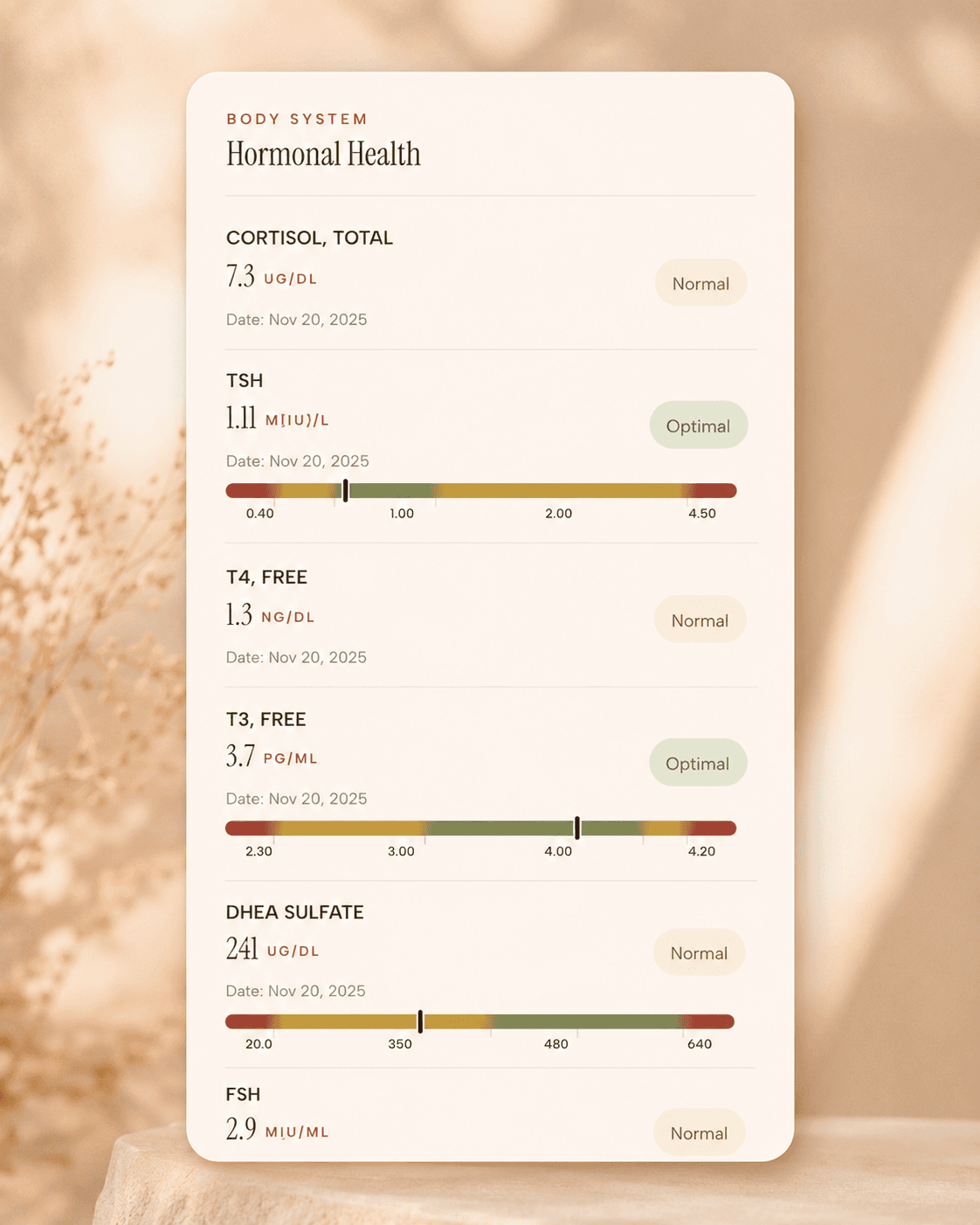
Wearables track HRV, but they can't measure cortisol, thyroid function, or inflammatory markers
the biomarkers that actually explain why your recovery feels off
Our starting-from-$99 panel covers 100+ tests in one visit, so you can see what your device is missing
About 1 week
Schedule online — results typically within a week
Clear next steps
Guidance included, with follow-up care available
HSA / FSA
Eligible for pre-tax health spending accounts
Why Everyone Is Talking About This Now
A leading digital medicine voice named the evidence gap
Eric Topol's critique landed with weight because he is not a wellness skeptic dismissing wearables wholesale — he has spent years advocating for digital health tools in medicine. When someone with that credibility says the readiness score algorithms lack clinical validation, it is harder for the industry to brush off than when the same point comes from a generalist critic.
Adoption has outpaced the science by years
Devices like the Oura ring, WHOOP, and Apple Watch have tens of millions of users who are actively adjusting their behavior based on daily scores, but the peer-reviewed literature validating those specific scores for those specific uses has not kept pace. The technology moved fast; the evidence base moved slowly.
The quantified-self community is genuinely divided
Many dedicated users report that their readiness scores feel accurate — that low scores do seem to precede bad workouts or illness. But personal experience, even consistent personal experience, is not the same as a controlled study, and the community is now wrestling honestly with that distinction rather than dismissing it.
What the Evidence Actually Shows
Clinical HRV research is solid but not the same thing
Decades of hospital-grade research show that low HRV is associated with cardiovascular disease, diabetes, depression, and poor recovery from surgery. That body of evidence is real and meaningful — but it was built using ECG-grade equipment and specific HRV metrics that do not always map cleanly onto what your wrist device is calculating.
Wearable sensor accuracy is decent but context-dependent
Independent studies comparing PPG-based HRV readings to simultaneous ECG recordings show reasonable agreement during sleep and rest, which is when most devices take their primary readings. Accuracy drops during exercise and in people with darker skin tones or irregular heart rhythms, and those limitations are not always disclosed prominently in consumer marketing.
Readiness score validation studies are sparse and often industry-funded
The published studies that do examine readiness or recovery scores tend to be small, short in duration, and frequently funded or conducted by the device manufacturers themselves — which does not make them wrong, but it does mean independent replication is largely missing. A handful of academic groups are now running independent trials, but results are not yet widely available.
No score has been validated for clinical decision-making
None of the major consumer readiness scores have been cleared by regulators as medical diagnostic tools, which means they are legally wellness features rather than health measurements. Using them to decide whether to push through fatigue or rest is a personal choice, but it is worth knowing that the score was not designed or tested to carry that weight.
How to Use These Metrics Without Being Misled
Treat your score as one input, not a verdict
The most useful thing a readiness score can do is prompt you to check in with how you actually feel — not override that check-in. If your score says 85 but you feel exhausted and your throat is scratchy, trust your body, because the algorithm does not have access to that information.
Track your own trends rather than chasing a number
Your personal HRV baseline is more meaningful than any single reading or any comparison to population averages, because HRV varies enormously between individuals based on age, fitness level, and genetics. Watching your own trend over weeks — noticing that your HRV drops reliably after late nights or alcohol — is where these devices genuinely earn their keep.
Pair wearable data with lab markers when something feels off
If your readiness scores have been consistently low for weeks and you cannot explain it with obvious lifestyle factors, that is a signal worth investigating with actual lab work rather than just adjusting your training load. Thyroid dysfunction, low iron, elevated cortisol, and subclinical infection can all suppress HRV and will not be caught by any wearable.
Risks and Caveats to Know
Over-relying on scores can create health anxiety
There is growing clinical concern that some users develop what researchers informally call 'orthosomnia' — anxiety about sleep scores that actually worsens sleep — and a parallel pattern is emerging around readiness scores, where a low number triggers stress that itself suppresses HRV the following night. If checking your score first thing in the morning reliably affects your mood or plans in ways that feel compulsive, that is worth paying attention to.
Irregular heart rhythms need medical evaluation, not a wearable
If your device flags an unusual heart rate pattern or your HRV readings are wildly inconsistent day to day without an obvious cause, that warrants a conversation with a clinician rather than a firmware update. Atrial fibrillation [AFib] and other arrhythmias can look like noisy HRV data, and a wearable is not equipped to distinguish between sensor artifact and a real cardiac finding.
Your data is being used to train the algorithm that scores you
Most wearable platforms include data-sharing provisions in their terms of service, which means your nightly HRV readings may be contributing to the proprietary model that generates your score. That is not necessarily harmful, but it is worth understanding that you are both a customer and a data source — and that the model is optimized for engagement and retention as well as accuracy.
Frequently Asked Questions
Is wearable HRV accurate enough to be useful?
For tracking your own trends over time during sleep and rest, wearable HRV is reasonably accurate — independent studies show decent agreement with ECG during those conditions. Where it gets shakier is during exercise, in people with darker skin tones, or in anyone with an irregular heart rhythm. Think of it as a useful directional signal rather than a precise clinical measurement.
What does a low readiness score actually mean?
It means the algorithm detected a combination of signals — lower than usual HRV, elevated resting heart rate, disrupted sleep, or temperature changes — that its model associates with reduced recovery. What it cannot tell you is why those signals are low, whether the pattern is meaningful for you specifically, or whether it predicts anything about your actual performance or health that day.
Can my wearable detect illness before I feel sick?
Some research, including studies during the COVID-19 pandemic, found that HRV and resting heart rate changes sometimes preceded symptom onset by a day or two. That is genuinely interesting, but it is also inconsistent — many illnesses do not produce a detectable wearable signal, and many low-score days have nothing to do with illness. It is a weak early-warning system at best, not a diagnostic tool.
Should I skip a workout if my readiness score is low?
Not automatically. A low score is worth noticing, but the decision should also factor in how you actually feel, what kind of workout you planned, and whether you have a pattern of low scores that might point to something worth investigating. Using the score as a conversation starter with your own body is healthy; letting it make the decision for you is where the evidence does not support the trust.
Are there lab tests that explain why my HRV is low?
Yes — several common and treatable conditions suppress HRV, including thyroid dysfunction, iron deficiency anemia, elevated cortisol from chronic stress, and low-grade inflammation. If your scores have been consistently poor without an obvious lifestyle explanation, a comprehensive blood panel can often identify what the wearable cannot. Vitals Vault's panels start at $99 and cover more than 100 markers in a single visit.