Urolithin A, Mitophagy & Heart Health Explained
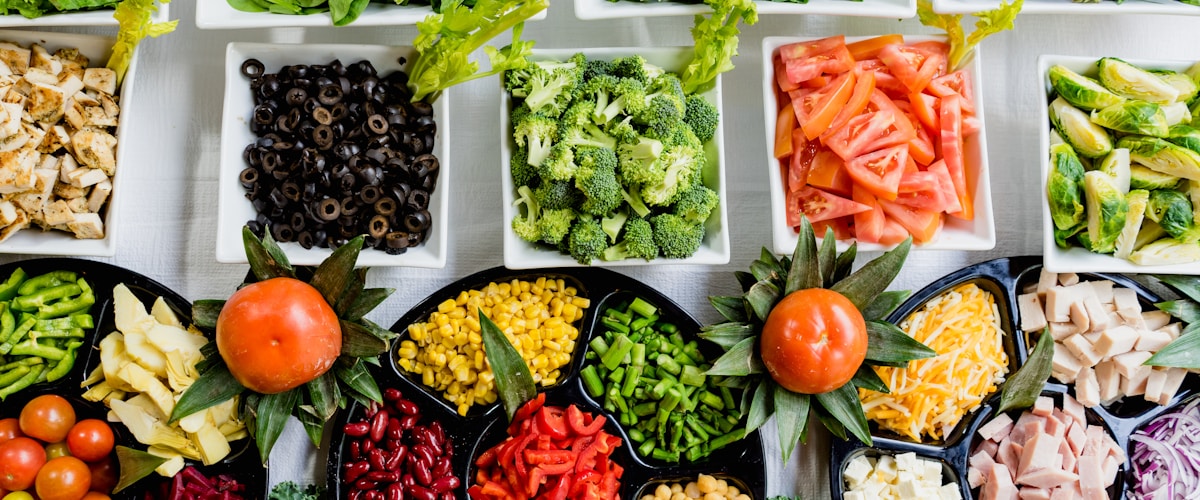
Urolithin A is a compound your gut bacteria produce when you eat foods rich in ellagitannins — think pomegranates, walnuts, and certain berries.


Urolithin A is a compound your gut bacteria produce when you eat foods rich in ellagitannins — think pomegranates, walnuts, and certain berries. The short answer to whether it matters for your heart: early research is genuinely promising, but it is not a proven treatment, and whether you can even make urolithin A depends heavily on which gut bacteria you happen to have. What has the longevity community buzzing right now is new research showing that urolithin A improves heart function through not one but two separate pathways — the well-known cellular cleanup process called mitophagy, and a second, less expected route through the gut microbiome itself. If you want to dig into your own metabolic and cardiovascular markers before deciding whether any of this applies to you, Vitals Vault's lab panels and PocketMD advisors are a good place to start.
Why this is trending
A post this week on the r/longevity subreddit spotlighted research showing that urolithin A improved a heart failure model partly by reshaping the gut microbiome — not just by triggering the cellular recycling process that researchers had focused on for years. That finding surprised even enthusiasts who had been following urolithin A closely, because it suggests the compound may work through a gut-to-heart signaling axis that nobody had mapped out clearly before. Longevity researcher Matt Kaeberlein also flagged urolithin A in his July 2026 update as one of the more credible molecules in the current supplement conversation. The honest caveat is that most of the exciting data still comes from animal models and small human trials, so the gap between "this is biologically interesting" and "you should definitely take this" remains real.
What urolithin A actually is
A metabolite your gut bacteria make for you
Urolithin A is not found directly in food — it is what certain gut bacteria produce after breaking down ellagitannins, the polyphenol compounds found in pomegranates, walnuts, raspberries, and oak-aged foods. This means eating pomegranate seeds does not guarantee you are getting urolithin A, because the conversion depends entirely on whether your microbiome carries the right bacterial strains to do the job.
A trigger for your cells' internal recycling system
Once urolithin A is absorbed, one of its main jobs is to activate a process called mitophagy [mitophagy] — essentially your cells' way of identifying damaged mitochondria and breaking them down so healthy ones can take their place. Mitochondria are the tiny structures that generate energy inside every cell, and when damaged ones pile up instead of getting cleared out, it contributes to the fatigue, muscle weakness, and organ stress that tend to accelerate with age.
Something not everyone can produce from food alone
Studies suggest that roughly 30 to 40 percent of people lack the gut bacteria needed to convert ellagitannins into meaningful amounts of urolithin A, which is why supplement forms using a synthesized version of the molecule exist. Whether you are a producer or a non-producer is not something you can determine without specific microbiome testing, and even producers vary widely in how much they generate.
Lab testing
Your gut and cardiovascular health show up in measurable markers
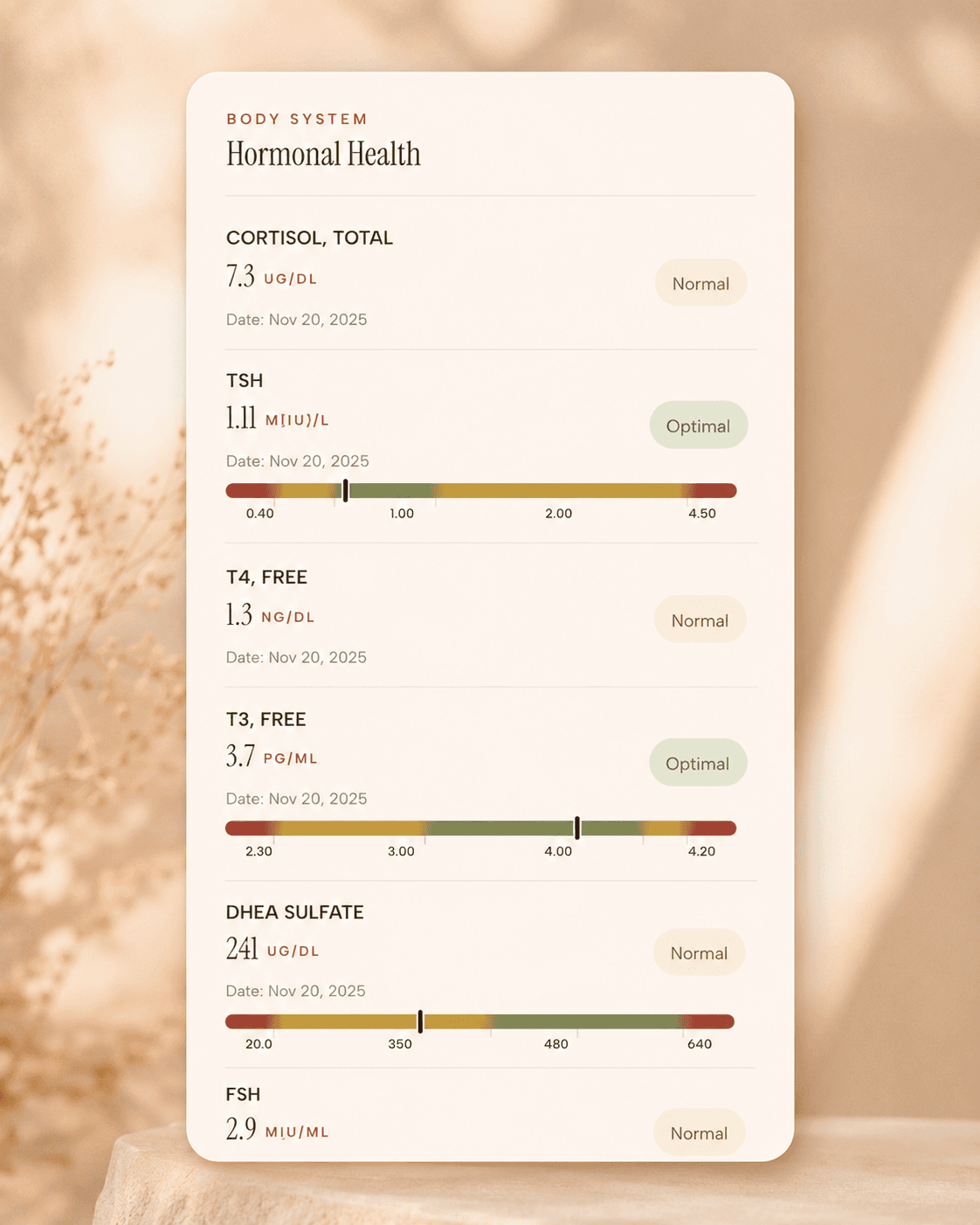
hsCRP, lipid panels, fasting glucose, and more
The Vitals Vault starting-from-$99 panel covers 100+ tests in one visit, so you have real numbers before you start any new supplement
About 1 week
Schedule online — results typically within a week
Clear next steps
Guidance included, with follow-up care available
HSA / FSA
Eligible for pre-tax health spending accounts
Why researchers and the longevity community are paying attention now
New heart failure research revealed a second mechanism
The research that sparked this week's conversation showed urolithin A improving cardiac function in a heart failure model through changes in the gut microbiome composition — not just through mitophagy. That is a meaningful distinction because it suggests the compound may be doing something systemic and indirect, reshaping the microbial environment in a way that then sends beneficial signals to the heart.
Credible voices are treating it as more than hype
Unlike many longevity supplements that circulate mainly through influencer channels, urolithin A has attracted attention from researchers like Matt Kaeberlein who are careful about separating marketing from mechanism. That does not make it proven, but it does mean the underlying biology is being taken seriously by people who are paid to be skeptical.
Human trial data is starting to accumulate
Early human trials have shown that supplemental urolithin A can improve mitochondrial gene expression in muscle tissue and modestly improve physical endurance in older adults — outcomes that are measurable and not just theoretical. The heart-specific data is still mostly preclinical, but the muscle and metabolic findings give researchers a reason to keep looking.
The two pathways: mitophagy and the microbiome
Mitophagy: clearing out the cellular clutter
Think of mitophagy as a quality-control system for your mitochondria. When urolithin A activates this process, your cells tag their most damaged mitochondria and send them to be broken down and recycled — which frees up resources for building new, functional ones. In heart muscle, which is under constant mechanical stress and has very high energy demands, keeping mitochondria healthy is especially important because heart cells have limited ability to regenerate.
The gut microbiome route: a less expected pathway
The newer finding is that urolithin A also appears to shift the composition of the gut microbiome in ways that reduce systemic inflammation and may improve the gut barrier — the lining that controls what gets absorbed into your bloodstream. A leaky or inflamed gut lining allows bacterial byproducts to enter circulation, which puts a chronic low-grade inflammatory burden on the heart and blood vessels, so anything that strengthens that barrier could have downstream cardiovascular effects.
Why both pathways matter together
The reason this dual-mechanism story is interesting rather than just complicated is that the two pathways likely reinforce each other. Better mitochondrial function in gut lining cells may help maintain a healthier microbiome, and a healthier microbiome may produce more urolithin A and other beneficial metabolites in return. It is a feedback loop, which means the effects could be more durable than a single-target intervention — though that hypothesis still needs more human data to confirm.
What the research actually shows — and where it stops
Animal heart failure models show real improvement
In the preclinical research that triggered this week's discussion, urolithin A administration improved cardiac output and reduced markers of heart failure in animal models. The effect was partially explained by mitophagy activation but also by measurable shifts in gut bacteria populations, which is what made the finding novel enough to circulate widely in research communities.
Human muscle trials show mitochondrial benefits
A randomized trial published in Nature Metabolism found that older adults taking urolithin A showed improved mitochondrial gene expression in skeletal muscle compared to placebo, and a follow-up study found modest but real improvements in muscle endurance. These are not heart-specific outcomes, but they demonstrate that the mitophagy mechanism is active in humans — not just in cell cultures or mice.
Gut microbiome effects in humans are preliminary
The microbiome-reshaping effects seen in animal heart failure models have not yet been replicated in large human cardiovascular trials, which is an important gap. Some smaller studies show urolithin A can shift microbiome composition in humans, but whether those shifts translate into measurable heart health benefits in people with or without existing heart disease is still an open question.
No human cardiovascular outcome trials yet
There are currently no large randomized controlled trials showing that urolithin A reduces heart attacks, improves ejection fraction in people with heart failure, or lowers cardiovascular mortality in humans. The mechanistic and surrogate-marker data is encouraging, but the jump from "this improves mitochondrial markers" to "this protects your heart" is one that the evidence has not yet fully made.
What to know before you start taking it
Supplement safety looks reasonable but is not fully characterized
The available human trials have not flagged serious safety concerns at doses typically used in research (around 500 to 1000 mg per day of the synthesized form), and urolithin A appears well-tolerated in healthy adults. That said, long-term safety data beyond a few months is limited, and if you have an existing heart condition, kidney disease, or are on immunosuppressant medications, you should talk to a clinician before adding it — because activating autophagy pathways in a medically complex situation is not something to do casually.
Food sources are real but unreliable for most people
Eating more pomegranates, walnuts, and raspberries is genuinely good for you regardless of urolithin A, because those foods carry fiber, polyphenols, and other compounds with well-established benefits. But if you are hoping to rely on food alone for urolithin A specifically, know that your conversion efficiency depends on your microbiome, and there is currently no easy consumer test to tell you whether you are a high or low producer.
This is not a substitute for managing known heart risks
Urolithin A is an interesting emerging compound, but the things that most reliably protect your heart — managing blood pressure, controlling LDL cholesterol, not smoking, exercising regularly, and treating sleep apnea — have decades of outcome data behind them. Adding urolithin A on top of a solid foundation makes more sense than treating it as a shortcut around the fundamentals.
Frequently Asked Questions
What foods are highest in urolithin A precursors?
Pomegranate is the richest source of ellagitannins, the compounds your gut bacteria convert into urolithin A. Walnuts, raspberries, strawberries, blackberries, and some oak-aged wines also contain meaningful amounts. The catch is that eating these foods only helps if your gut microbiome carries the bacterial strains capable of making the conversion — which is not guaranteed for everyone.
How is urolithin A different from other longevity supplements like NMN or resveratrol?
Urolithin A works primarily by triggering mitophagy — the removal of damaged mitochondria — while NMN targets NAD+ levels and resveratrol is thought to activate sirtuins, though the human evidence for resveratrol is weak. Urolithin A has arguably stronger human trial data than resveratrol at this point, particularly for muscle function, though it still lacks the large cardiovascular outcome trials that would make it a clinical recommendation.
Can urolithin A help with heart failure?
The most recent preclinical research shows urolithin A improving heart function in animal heart failure models through both mitophagy and gut microbiome changes, which is genuinely exciting. However, there are no human clinical trials yet that test urolithin A specifically in people with heart failure, so it cannot be recommended as a treatment for that condition — and anyone with heart failure should be working closely with a cardiologist before adding any supplement.
What dose of urolithin A do the studies use?
Human trials have most commonly used 500 mg to 1000 mg per day of the synthesized form, with the 500 mg dose showing mitochondrial gene expression benefits in muscle tissue in the Nature Metabolism trial. Supplement products on the market typically fall in this range, but dosing has not been established for specific conditions, and more is not necessarily better when you are working with a pathway as fundamental as cellular autophagy.
How do I know if my gut can produce urolithin A from food?
There is no widely available consumer test that reliably tells you whether you are a urolithin A producer, though some advanced microbiome sequencing panels look for the relevant bacterial species. The practical workaround most researchers suggest is that if you want the benefits associated with urolithin A specifically, the synthesized supplement form bypasses the conversion problem entirely — your gut does not need to make it because you are taking the finished molecule directly.