11 Sleep Myths Debunked by Sleep Science
Most of what you believe about sleep is probably wrong — and that is not an insult, it is just how thoroughly bad sleep advice has saturated everyday life.


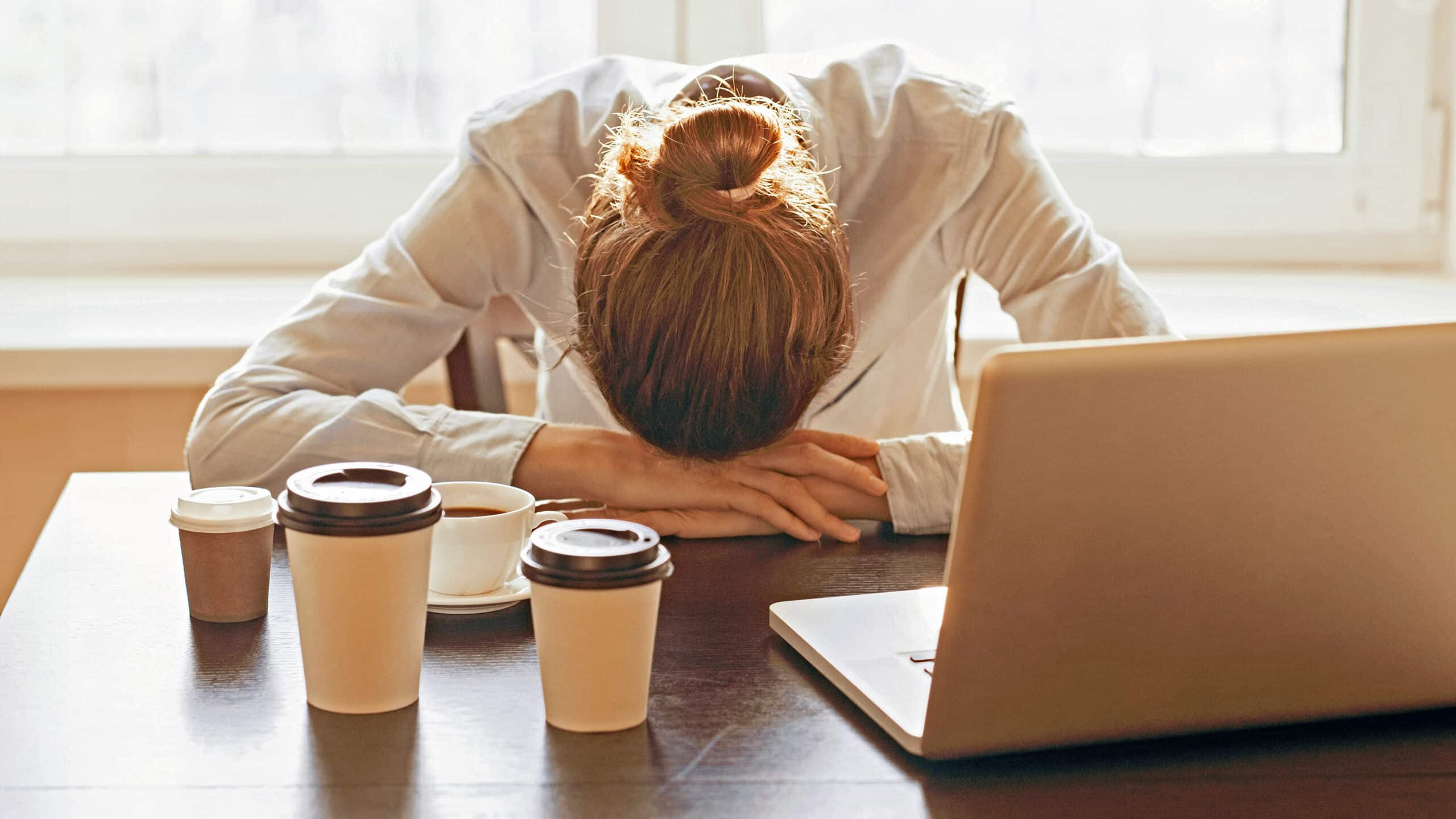
Most of what you believe about sleep is probably wrong — and that is not an insult, it is just how thoroughly bad sleep advice has saturated everyday life. Sleep scientist Matt Walker recently laid out the eleven most persistent sleep myths circulating right now, and the gap between popular belief and actual research is striking enough to change what you do tonight. This article walks through the biggest misconceptions, explains what the science actually says, and gives you something concrete to act on. If you want to dig into your own biology — cortisol, thyroid, blood sugar, and other markers that quietly wreck sleep — Vitals Vault's starting-from-$99 panel covers over 100 tests in one visit, and PocketMD is available if you want to talk through what you find.
Why this is trending
Matt Walker, the neuroscientist and author behind the book Why We Sleep, released a widely shared episode this week cataloguing the eleven largest sleep myths he encounters in research and public conversation. It spread quickly because it named specific beliefs — not vague generalities — and attached real mechanisms to each one. That combination of authority and specificity is rare in sleep content, which tends to be either too clinical or too shallow. The timing matters because sleep is one of the highest-search health topics year-round, and people are increasingly skeptical of wellness influencer advice. Walker's framework gives curious readers a trustworthy anchor, and the myths he targets — weekend recovery sleep, alcohol as a sedative, the idea that your body adapts to less sleep — are exactly the ones most people have quietly accepted as true.
The myths themselves — and why they stick
Catch-up sleep on weekends repairs the damage
The idea that you can run a sleep deficit all week and then pay it back on Saturday morning feels intuitive, but your brain does not work like a bank account. Research shows that while extra weekend sleep can reduce daytime sleepiness, it does not fully restore the metabolic damage, immune suppression, or cognitive impairment that accumulated during the week — and the irregular schedule itself disrupts your internal body clock, which makes Monday morning feel even worse.
Alcohol helps you fall asleep and stay asleep
Alcohol does make you drowsy faster, which is why so many people reach for a nightcap, but what it produces is not normal sleep. It fragments the second half of the night, dramatically suppresses the dream-stage sleep your brain needs for emotional processing and memory, and tends to cause early-morning waking once the sedative effect wears off — leaving you more tired, not less.
Your body adapts to running on less sleep
People who chronically sleep six hours or fewer often report feeling fine, and that subjective sense of adaptation is real — but it is not the same as actually functioning well. Objective testing consistently shows impaired reaction time, decision-making, and emotional regulation in people who believe they have adapted, which means the adaptation is mostly a loss of your ability to perceive how impaired you are.
Lab testing
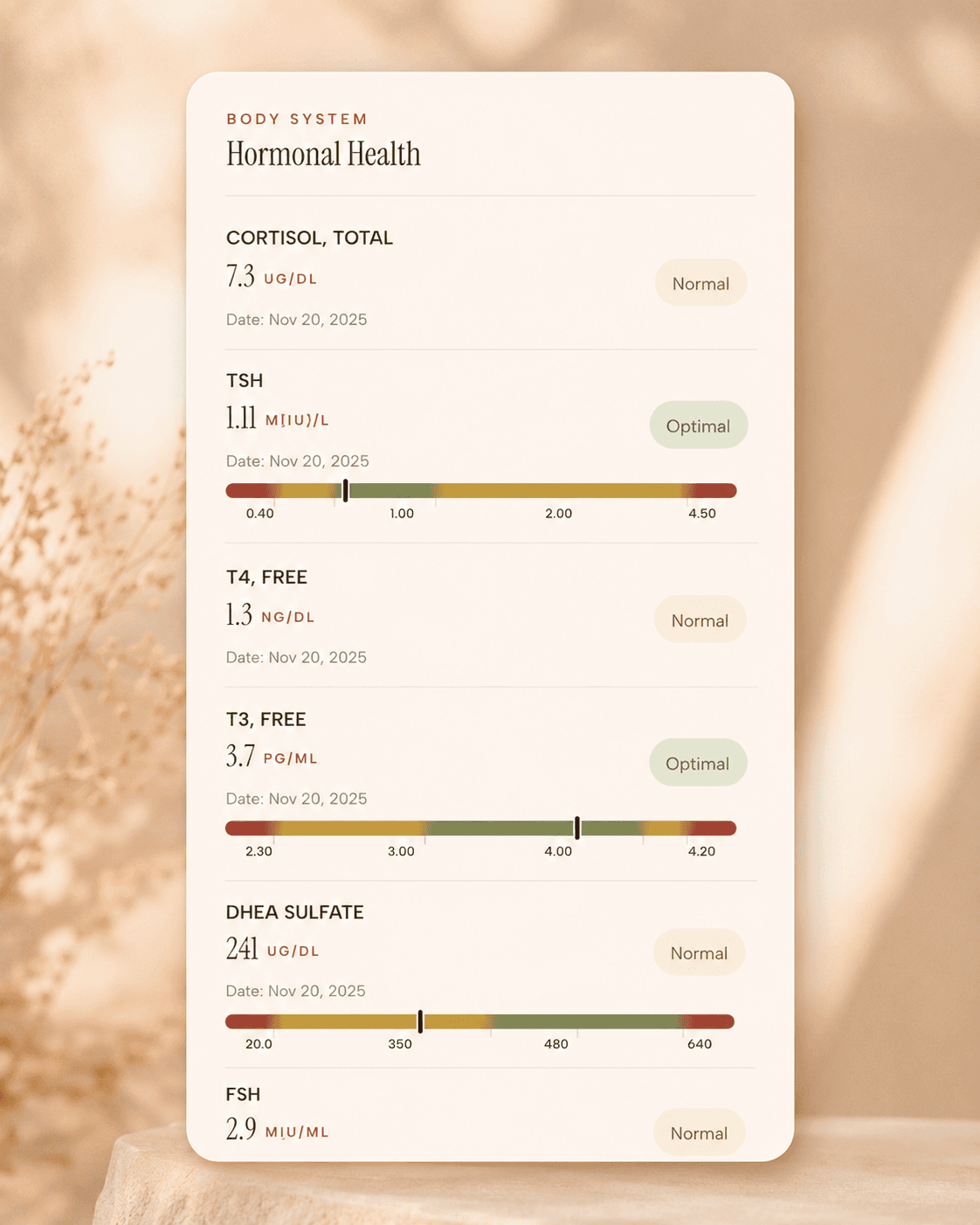
Cortisol, thyroid hormones, blood sugar, and vitamin D all affect how well you sleep
and most people have never checked them
The Vitals Vault starting-from-$99 panel covers 100+ markers in a single visit, no appointment needed
About 1 week
Schedule online — results typically within a week
Clear next steps
Guidance included, with follow-up care available
HSA / FSA
Eligible for pre-tax health spending accounts
Why these myths are so hard to shake
Sleep deprivation is worn as a productivity badge
Decades of hustle culture have framed less sleep as discipline and more sleep as laziness, which means the myths that justify short sleep — adaptation, weekend recovery — get socially reinforced every time someone brags about running on five hours. That cultural pressure makes it genuinely hard to accept the science, because accepting it means rethinking choices that feel like identity.
Short-term effects are invisible, so myths feel harmless
If you ate something that made you feel terrible within an hour, you would stop eating it. Sleep debt works differently — the consequences accumulate slowly and show up as cardiovascular risk, metabolic dysfunction, and immune suppression over years, not the next morning. That delay makes it easy to dismiss the research as theoretical.
Alcohol's sedative effect is real, which makes the myth convincing
The reason the alcohol myth persists is that the first part of it is true: you do fall asleep faster. What happens in the second half of the night is invisible to you because you are unconscious, so the myth never gets corrected by personal experience the way other bad advice might.
What the research actually shows
Sleep debt has measurable biological consequences
Studies tracking people through controlled sleep restriction find elevated inflammatory markers, disrupted insulin sensitivity, and suppressed immune response within just a few nights of short sleep. These are not subtle statistical signals — they are changes large enough to show up in standard lab work, which is part of why checking your baseline biology can be genuinely informative if you are a chronic short sleeper.
REM sleep does specific, irreplaceable work
The dream stage of sleep — called REM, for rapid eye movement — is not just random brain noise. It is when your brain processes emotional memories, strips the emotional charge from difficult experiences, and consolidates creative and associative thinking. Alcohol specifically suppresses REM, which is one reason that people who drink regularly often report vivid, disturbing dreams when they stop — their brain is catching up on suppressed REM.
Napping does not fully substitute for nighttime sleep
Naps can restore alertness and improve mood, and there is solid evidence that a short nap — around 20 minutes — sharpens performance for several hours afterward. But naps do not replicate the full architecture of a nighttime sleep cycle, which moves through light sleep, deep slow-wave sleep, and REM in a sequence your body cannot compress into an afternoon.
Eight hours is an average, not a universal prescription
The "eight hours for everyone" rule is itself a mild myth — the actual research shows a distribution, with most adults needing somewhere between seven and nine hours, and a small number of people with a specific genetic variant genuinely functioning well on six. The problem is that almost everyone who thinks they are one of those rare short sleepers is not — they have simply adapted to feeling impaired.
What you can actually do differently tonight
Cut the nightcap and notice what changes in a week
You do not need to give up alcohol entirely to test this — just move your last drink to at least three hours before bed and track how you feel in the morning for seven days. Most people notice they wake up feeling more rested and have fewer middle-of-the-night awakenings, which is the clearest personal evidence that the alcohol-sleep myth was costing them something real.
Anchor your wake time, even on weekends
The single most effective thing you can do for your internal body clock is to wake up at the same time every day, including weekends — even if you went to bed late. This keeps your circadian rhythm stable, which makes it easier to fall asleep at the right time the following night, and it prevents the social jet lag that makes Monday mornings brutal for so many people.
Track sleep quality, not just hours, for two weeks
A basic sleep log — noting when you went to bed, when you woke up, and how rested you felt on a simple one-to-ten scale — often reveals patterns that feel invisible in the moment. You might discover that six and a half hours on a night without alcohol leaves you sharper than eight hours after a couple of drinks, and that kind of personal data is more motivating than any abstract statistic.
What to watch for and when to get help
Persistent poor sleep is sometimes a medical issue, not a habit problem
If you have addressed the obvious behavioral factors — consistent schedule, no alcohol close to bedtime, a cool dark room — and you are still waking exhausted, something physiological may be driving it. Sleep apnea, thyroid dysfunction, blood sugar instability, and chronically elevated cortisol all disrupt sleep architecture in ways that no amount of good sleep hygiene will fix on their own.
Stopping regular alcohol use can temporarily worsen sleep
If you have been using alcohol as a sleep aid for a long time, the first week or two after stopping may involve more vivid dreams, lighter sleep, and more frequent waking — this is REM rebound, and it is normal. It passes, and most people find their sleep quality improves significantly within a few weeks, but knowing it is coming makes it easier to push through rather than reaching for a drink again.
Self-diagnosing as a short sleeper is almost always wrong
The genetic variant that allows some people to function well on six hours or fewer is genuinely rare — researchers estimate it affects well under three percent of the population. If you believe you are one of them based on feeling okay, it is worth taking seriously that chronic sleep deprivation specifically impairs your ability to assess your own impairment, which makes subjective self-assessment unreliable.
Frequently Asked Questions
Can you really catch up on sleep over the weekend?
You can reduce some of the subjective sleepiness you built up during the week, but research consistently shows that weekend recovery sleep does not fully reverse the metabolic, immune, and cognitive damage from sleep restriction. It also disrupts your body clock, which tends to make the following week harder to start. The more effective strategy is to protect sleep during the week rather than trying to compensate afterward.
Does alcohol actually help you sleep?
Alcohol makes you fall asleep faster, which is why the belief persists, but it significantly disrupts sleep quality — particularly in the second half of the night when your brain would normally be cycling through restorative REM sleep. The result is that you often wake earlier, feel less rested, and miss out on the emotional processing and memory consolidation that dream-stage sleep provides.
How do I know if I actually need eight hours or if I can function on less?
Most adults need between seven and nine hours, and the honest test is not how you feel — it is how you perform on objective measures like reaction time, decision quality, and emotional regulation. The rare people who genuinely thrive on six hours have a specific genetic variant; if you are unsure whether you are one of them, the safest assumption is that you are not, since sleep deprivation impairs your ability to accurately judge your own impairment.
What lab tests are relevant if I think something medical is affecting my sleep?
Thyroid hormones, cortisol, fasting blood sugar, and vitamin D are the most commonly implicated markers when sleep is persistently poor despite good habits. Iron levels matter too, since low ferritin is linked to restless legs and fragmented sleep. A broad panel like the one available through Vitals Vault can catch several of these in a single visit without needing a referral.
Is it true that your brain cleans itself during sleep?
Yes — your brain has a waste-clearance system called the glymphatic system that becomes significantly more active during deep slow-wave sleep, flushing out metabolic byproducts including proteins linked to Alzheimer's disease. This is one of the reasons that consistently short or fragmented sleep is associated with higher long-term dementia risk, and it is also why deep sleep is not something you can easily compensate for with naps or weekend recovery.