How Your Sleep Environment & Geography Shape Sleep
Where you sleep matters almost as much as how long you sleep.


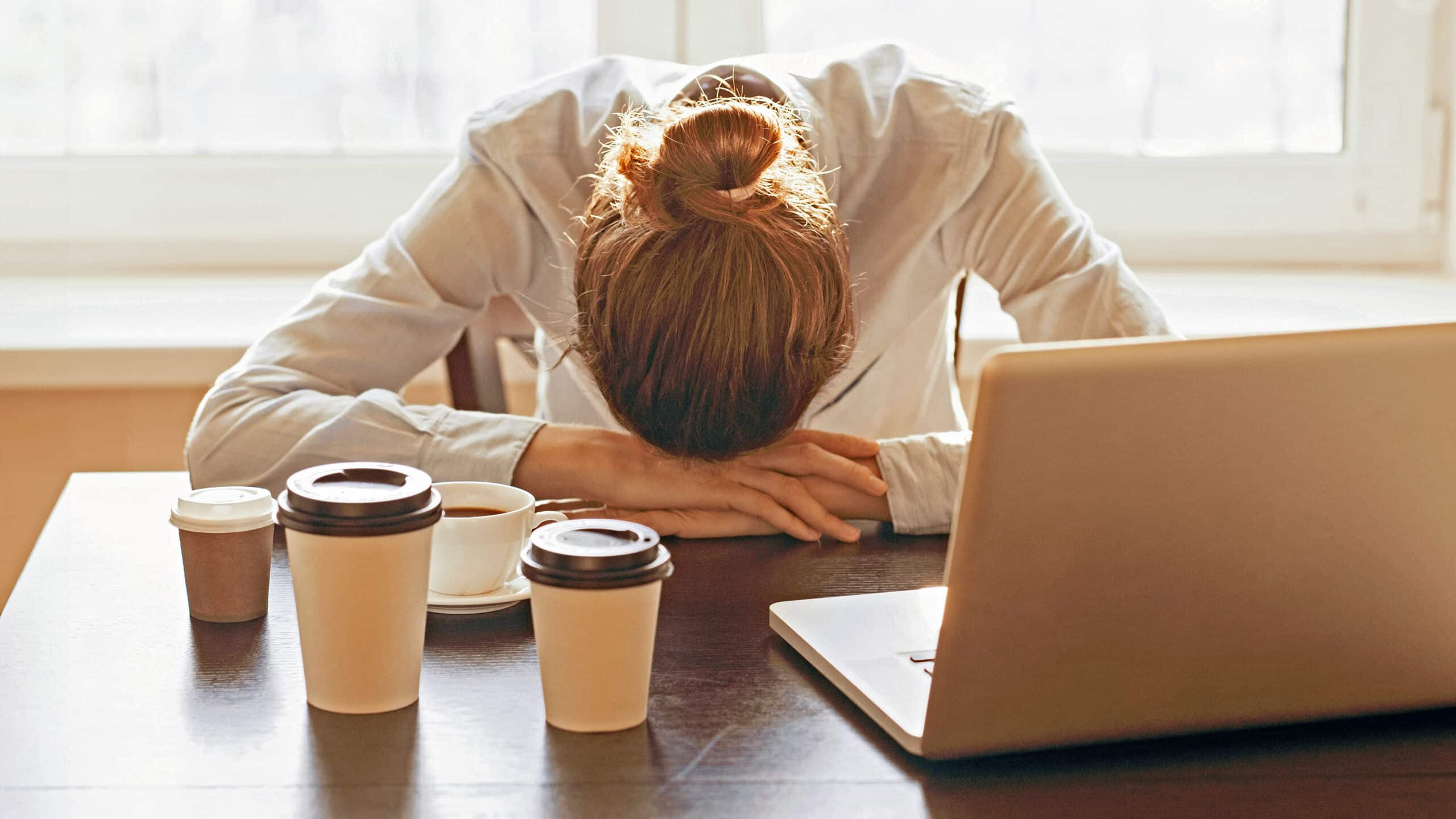
Where you sleep matters almost as much as how long you sleep. Your altitude, the glow leaking through your curtains, the ambient temperature of your room, and even the cultural norms of the country you live in all reach inside your brain and reshape the architecture of your sleep — the ratio of light to deep to REM stages you cycle through each night. Most sleep advice stops at "put your phone down and go to bed at the same time." That's not wrong, but it's incomplete. The environment surrounding your body while you sleep is doing something to your biology whether you pay attention to it or not. If you've been doing everything "right" and still waking up tired, your geography might be the missing piece. Vitals Vault's PocketMD team and at-home lab panels can help you rule out underlying factors — but start here, with what the science actually says about your surroundings.
Why this is trending
Sleep researcher and neuroscientist Matt Walker dedicated a recent podcast episode to what he calls the geography of sleep — the idea that environmental and cultural context shapes sleep in ways that go far beyond a white-noise machine and blackout curtains. The episode landed in a community already primed to think beyond standard sleep hygiene, and it sparked a wave of questions about altitude sickness disrupting sleep on vacation, city light pollution cutting into REM, and why people in certain countries seem to sleep so differently. What's genuinely new here isn't the individual findings — researchers have studied altitude, noise, and light in isolation for decades — but the framing of all these factors together as a coherent environmental picture. That framing is useful because it shifts the question from "what's wrong with me?" to "what's wrong with my surroundings?" and that's a much more actionable place to start.
What the geography of sleep actually means
Your environment shapes your sleep stages
Sleep isn't a single uniform state — your brain cycles through distinct stages, including light sleep, deep slow-wave sleep, and REM (rapid eye movement) sleep, each doing different repair and memory work. External conditions like temperature, light, and air pressure can compress or expand specific stages, which means a bad environment doesn't just make you feel groggy — it can literally reduce the restorative work your brain completes overnight.
Geography means more than your bedroom
When sleep scientists talk about geography, they mean everything from the physical space of your room to the city you live in to the elevation above sea level where you're sleeping. Cultural geography matters too — societies that normalize midday naps, later dinner times, or shared sleeping arrangements produce measurably different sleep patterns in their populations, and those differences show up in health outcomes.
Environmental sleep disruption is often invisible
Unlike a loud alarm or a bright overhead light, most environmental sleep disruptors work below your conscious awareness. Low-level traffic noise, the faint blue glow of a streetlight through thin curtains, or the slightly lower oxygen levels at 6,000 feet can all fragment your sleep without ever fully waking you up — so you lie in bed for eight hours and still feel like you got five.
Lab testing
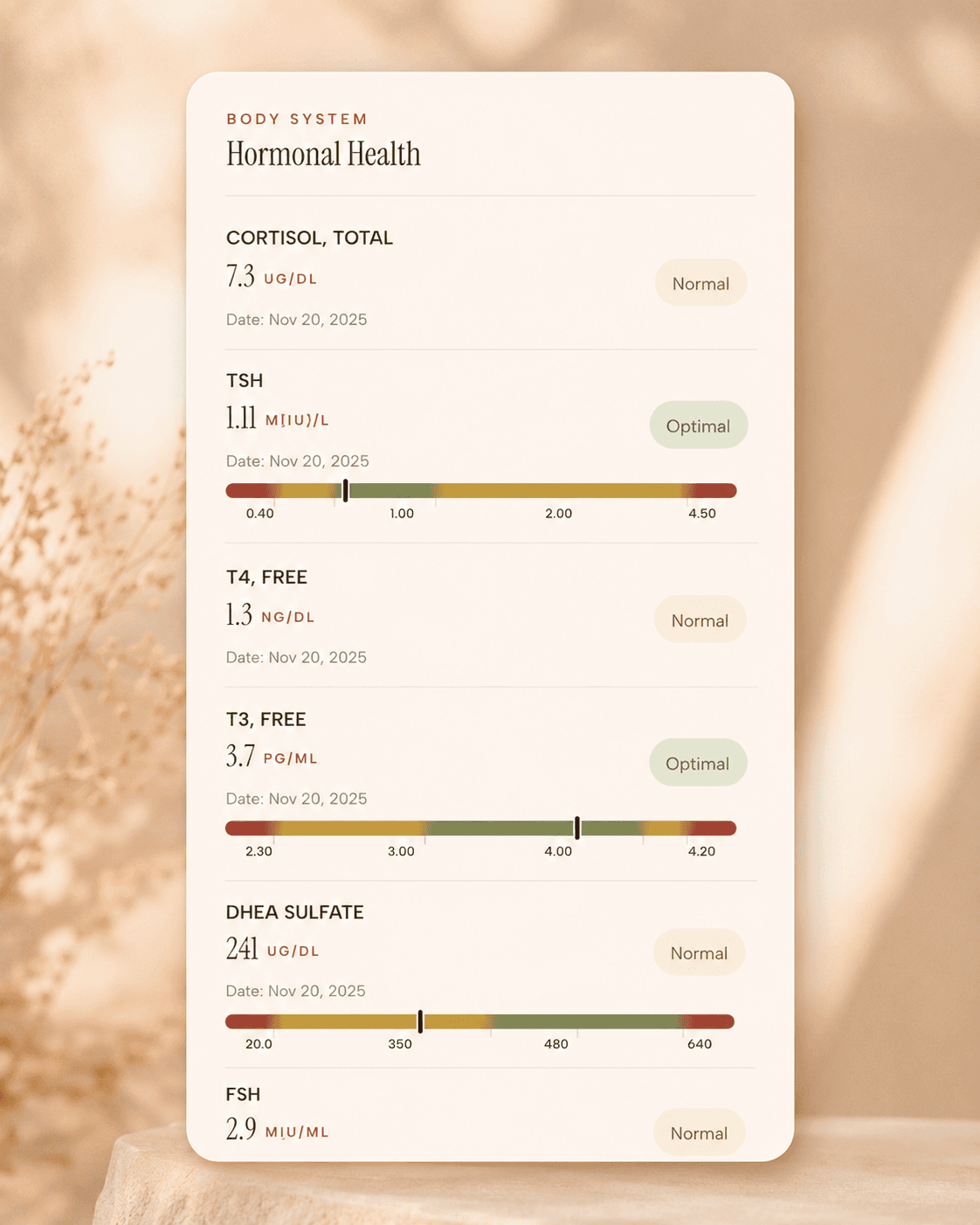
Cortisol, thyroid hormones, vitamin D, and iron are among the markers that can quietly wreck your sleep architecture. The Vitals Vault starting-from-$99 panel covers 100+ tests in one visit
no referral needed
About 1 week
Schedule online — results typically within a week
Clear next steps
Guidance included, with follow-up care available
HSA / FSA
Eligible for pre-tax health spending accounts
Why people are talking about this right now
Matt Walker's geography of sleep episode
Walker's podcast episode brought together altitude, light pollution, noise, temperature, and cultural norms into a single conversation, which gave listeners a framework rather than a checklist. That framing resonated because it explains why standard sleep hygiene advice sometimes fails people who are already doing everything by the book.
Wearables are making environmental effects visible
Sleep trackers now give people granular data on their deep sleep and REM percentages night over night, which means travelers are noticing their numbers tank at altitude, city dwellers are seeing worse scores on hot humid nights, and people are starting to connect those dots. The data is making an abstract concept feel personal and real.
Post-pandemic lifestyle changes shifted sleep environments
Remote work moved millions of people out of urban centers and into new climates and altitudes, while others moved into denser cities. Many people quietly changed their sleep geography without realizing it, and some are still troubleshooting the consequences years later without knowing where to look.
What each environmental factor is actually doing to your brain
Altitude reduces oxygen and fragments sleep
At elevations above roughly 8,000 feet, the lower oxygen concentration in the air triggers a breathing pattern called periodic breathing — where your body alternates between breathing faster and then briefly pausing — which repeatedly pulls you out of deep sleep without fully waking you. This is why many people feel unrested for the first few nights after arriving at a mountain destination, and why it can take several days to acclimatize.
Light pollution suppresses your sleep hormone
Your brain's internal clock (circadian rhythm) is set almost entirely by light, and the part of your brain that releases melatonin — your primary sleep-onset hormone — is exquisitely sensitive to even dim light in the blue-wavelength range. Living in a light-polluted city means your brain may be receiving a low-level "it's still daytime" signal well into the night, which delays melatonin release and pushes your sleep window later whether you want it to or not.
Noise and temperature disrupt sleep architecture differently
Noise — especially intermittent noise like traffic or a partner's snoring — tends to fragment sleep by triggering brief arousals that break your cycling through stages, robbing you of deep sleep in particular. Temperature works differently: your core body temperature needs to drop by about one to two degrees Fahrenheit to initiate and maintain sleep, so a room that's too warm doesn't just make you uncomfortable — it actively prevents the cooling your brain needs to reach and sustain its deepest stages.
Practical changes you can make to your sleep environment
Cool your room before you get into bed
A bedroom temperature between 65 and 68 degrees Fahrenheit (roughly 18 to 20 Celsius) is where most adults sleep best, though there's some individual variation. If you can't control your thermostat, a cooling mattress pad, a fan directed at your feet, or even a warm bath 90 minutes before bed — which paradoxically cools your core temperature as you dry off — can meaningfully improve how quickly you fall asleep and how much deep sleep you get.
Block light more aggressively than you think you need to
True blackout curtains — not "room darkening" curtains, which still let in a noticeable glow — make a measurable difference for people in light-polluted areas, and a sleep mask is a cheap and effective alternative when you're traveling. The goal is to make your room dark enough that you genuinely cannot see your hand in front of your face, because that's the threshold at which your brain stops receiving light-based "stay awake" signals.
Give yourself three to five days when sleeping at altitude
If you're traveling to a high-altitude destination and sleep quality matters — before a race, a big meeting, or just a vacation you want to enjoy — build in acclimatization time rather than arriving the night before. Staying well hydrated, avoiding alcohol for the first few days, and keeping your first few nights at moderate exertion levels all help your body adjust its breathing regulation faster.
What to watch out for and when to get help
Environmental fixes won't solve a medical sleep disorder
Optimizing your bedroom is genuinely useful, but if you have obstructive sleep apnea — where your airway physically collapses during sleep — no amount of room cooling or blackout curtains will fix the problem. If you snore loudly, wake up with headaches, or feel exhausted despite a full night in bed, that's worth a conversation with a doctor rather than another round of environment tweaks.
Altitude sickness is a real medical risk, not just poor sleep
Periodic breathing and disrupted sleep at altitude are normal and temporary for most healthy people, but high-altitude pulmonary edema and cerebral edema are serious conditions that can develop quickly in susceptible individuals. If you experience severe headache, confusion, loss of coordination, or difficulty breathing at altitude — not just poor sleep — descend immediately and seek medical attention.
Some symptoms that look like environmental sleep disruption are actually hormonal
Thyroid dysfunction, low iron, elevated cortisol, and vitamin D deficiency can all produce sleep fragmentation and daytime fatigue that feels identical to what a noisy or bright environment causes. If you've addressed your sleep environment and still feel consistently unrested, checking these markers with a blood panel is a logical next step rather than continuing to troubleshoot your curtains.
Frequently Asked Questions
What is the ideal bedroom temperature for sleep?
Most sleep research points to a range of 65 to 68 degrees Fahrenheit as optimal for the majority of adults, because your core body temperature needs to drop slightly to initiate and sustain deep sleep. That said, there's genuine individual variation — some people sleep well a few degrees warmer or cooler — so it's worth experimenting within that range rather than treating it as an absolute rule.
Does altitude really affect sleep quality?
Yes, and the effect is well documented. Above roughly 8,000 feet, lower oxygen levels trigger a breathing pattern that repeatedly fragments your sleep without fully waking you, which is why many people feel surprisingly unrested after their first night or two at a mountain destination. Most healthy people acclimatize within three to five days, but if symptoms are severe or include anything beyond poor sleep — like confusion or significant shortness of breath — that warrants medical attention.
How much does light pollution actually affect sleep?
More than most people realize. Even low-level ambient light in the blue-wavelength range — the kind that comes from streetlights and screens — can suppress melatonin release and delay your sleep onset by 30 to 90 minutes. People who live in densely lit urban areas and switch to true blackout curtains often report noticeably faster sleep onset within the first week.
Can noise disrupt sleep even if it doesn't wake me up?
Absolutely — this is one of the more counterintuitive findings in sleep research. Intermittent noise like traffic or a partner's snoring can trigger brief brain arousals that break your cycling through sleep stages without ever bringing you to full consciousness, so you genuinely don't remember being disturbed but your deep sleep is still reduced. A white noise machine or earplugs work by masking those intermittent spikes rather than eliminating all sound.
If I fix my sleep environment and still feel tired, what should I check next?
Persistent fatigue despite a well-optimized sleep environment is a signal worth taking seriously rather than pushing through. Thyroid dysfunction, low iron or ferritin, elevated cortisol, and vitamin D deficiency are among the most common physiological causes of sleep fragmentation and daytime exhaustion that won't respond to environmental changes alone. A comprehensive blood panel is a practical next step, and a Vitals Vault PocketMD physician can help you interpret the results in the context of your symptoms.