Rapamycin for Longevity 2026: Evidence vs. Hype
Rapamycin has extended lifespan in mice, worms, and flies — that part is real and well-replicated.


Rapamycin has extended lifespan in mice, worms, and flies — that part is real and well-replicated. What is far less settled is whether taking it weekly as a healthy human in your 40s or 50s will do anything similar, and the public debate between longevity researcher Matt Kaeberlein and biohacker Bryan Johnson has made that gap very visible this week. The honest answer is that rapamycin is one of the most scientifically interesting longevity candidates we have, and also one of the most misrepresented. If you are trying to figure out whether the hype applies to you, it helps to know exactly where the evidence stops. Vitals Vault's lab panels can track the metabolic and immune markers that matter if you are already using or considering rapamycin, and a PocketMD clinician can help you read those numbers in context.
Why this is trending
Matt Kaeberlein — one of the scientists who actually runs rapamycin aging trials — published a series of short videos this week directly pushing back on Bryan Johnson's public claims about the drug. Kaeberlein's core argument is not that rapamycin is useless; he has spent years studying it and believes it has genuine potential. His argument is that Johnson's framing overstates what is proven in humans and glosses over real immune risks, which matters when millions of people are watching and some will act on what they see. What makes this moment different from typical influencer noise is that the skeptic here is also a believer — just a careful one. That tension is worth paying attention to, because it reflects exactly where the science sits in 2026: promising enough to study seriously, not proven enough to recommend broadly.
What Rapamycin Actually Is
A transplant drug repurposed for aging research
Rapamycin was originally developed to prevent organ rejection after transplants, which means it works by suppressing the immune system — a fact that matters a lot when you are thinking about taking it as a healthy person. It has been used safely in transplant patients for decades, but those patients are under close medical supervision and the risk-benefit calculation is completely different from someone taking it off-label for longevity.
It works by hitting a cellular growth switch
The drug blocks a protein called mTOR (mechanistic target of rapamycin), which acts like a throttle for cell growth, protein production, and a cellular cleanup process called autophagy. When mTOR is dialed down, your cells shift from a growth mode into a maintenance and repair mode — and that shift appears to be part of why it extends lifespan in animal models.
Off-label use in healthy people is genuinely new territory
Longevity clinicians who prescribe rapamycin off-label typically use lower, intermittent doses — often once a week rather than the daily doses used in transplant medicine — on the theory that this preserves more immune function while still hitting mTOR periodically. That dosing strategy is biologically plausible, but it has not been validated in long-term human trials, which is the honest starting point for any conversation about this drug.
Lab testing
Track the markers that matter on rapamycin
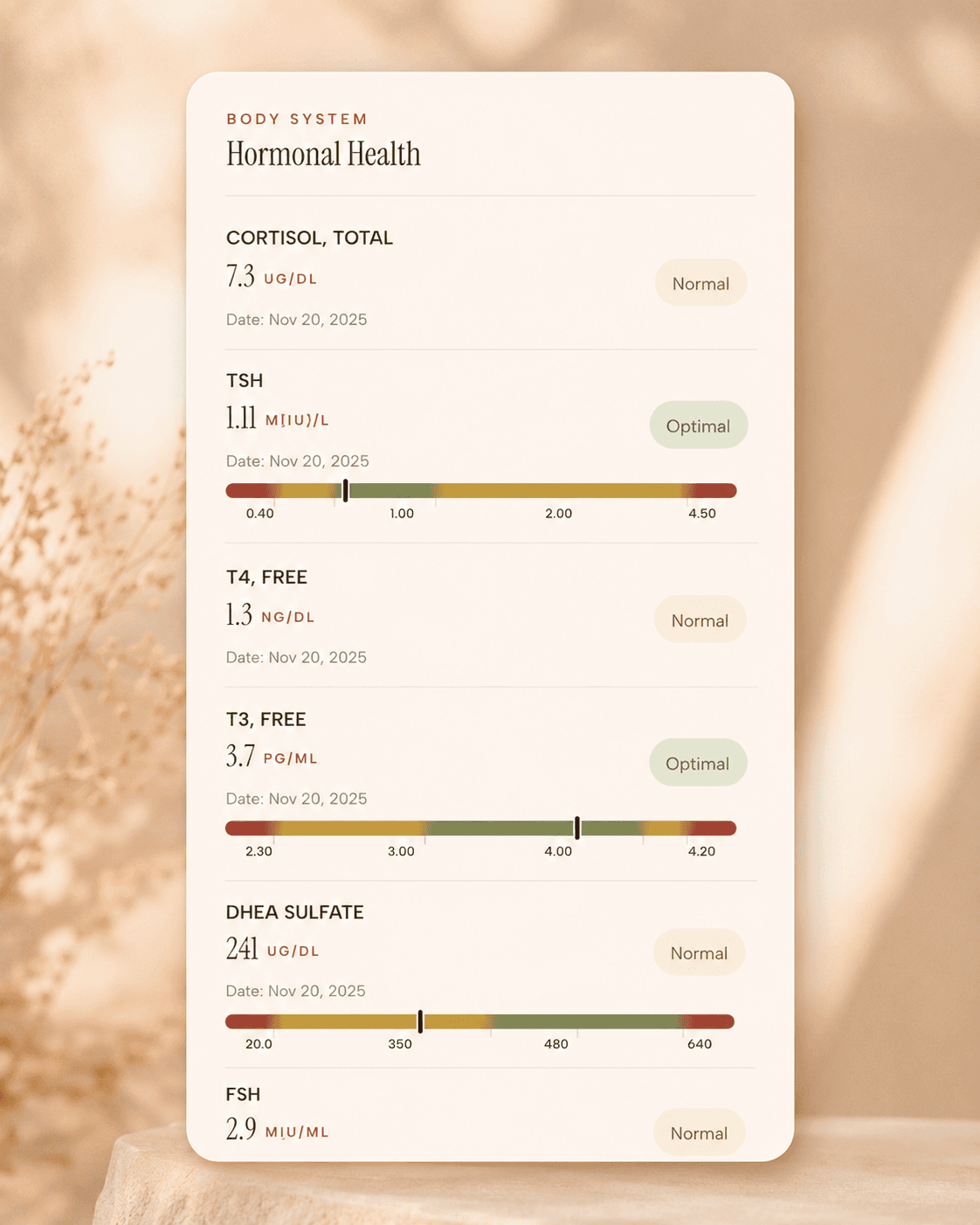
glucose, triglycerides, white blood cell count, and inflammatory markers
with our starting-from-$99 panel covering 100+ tests, one visit
About 1 week
Schedule online — results typically within a week
Clear next steps
Guidance included, with follow-up care available
HSA / FSA
Eligible for pre-tax health spending accounts
Why This Debate Is Happening Now
Bryan Johnson made rapamycin part of his public protocol
Johnson, who documents his extreme anti-aging regimen publicly, has included rapamycin and spoken about it in ways that suggest strong personal conviction about its benefits. Because his audience is large and his results are framed compellingly, his claims carry real influence — even when the underlying evidence does not fully support the confidence he projects.
Kaeberlein's pushback is unusually credible
Most rapamycin skeptics are either cautious generalists or people unfamiliar with the aging biology literature. Kaeberlein is neither — he leads the Dog Aging Project, has published extensively on rapamycin and mTOR, and is genuinely enthusiastic about the drug's potential. When he says Johnson's claims go too far, it is not dismissal; it is a scientist drawing a line between what the data shows and what is being implied.
A reported illness connected to Johnson's protocol added urgency
Kaeberlein also addressed speculation that a mystery illness Johnson experienced may have been connected to rapamycin's immune-suppressing effects. He was careful not to make a definitive claim, but the discussion highlighted a real concern: suppressing your immune system even modestly raises your susceptibility to infections, and that risk is not always front-and-center in longevity content.
What the Research Actually Shows
Animal lifespan extension is robust and well-replicated
In mice, rapamycin consistently extends lifespan — sometimes by 25% or more — even when started late in life, which is unusual and exciting. This finding has been replicated across multiple independent labs, which gives it more credibility than most longevity interventions tested in animals.
Human evidence is promising but thin
The most cited human data comes from a study showing that rapamycin improved immune response to flu vaccines in older adults, which suggests it may have some rejuvenating effect on the aging immune system. That is a meaningful finding, but it is a long way from proving that it extends healthy human lifespan or prevents the diseases of aging in the way animal studies imply.
The Dog Aging Project is the most relevant ongoing trial
Kaeberlein's own research is testing rapamycin in middle-aged dogs — animals whose aging biology is closer to ours than mice — and early results on heart function have been encouraging. Dogs are not humans, but this trial is designed more rigorously than most longevity research and its results will matter when they arrive.
No long-term human longevity trial exists yet
There is currently no randomized controlled trial showing that rapamycin extends lifespan or healthspan in healthy humans — full stop. The people taking it off-label are, in a real sense, running an uncontrolled experiment on themselves, which may ultimately generate useful data but is not the same as evidence.
What Happens Inside Your Body
mTOR suppression shifts your cells into repair mode
When rapamycin dials down mTOR activity, your cells reduce the rate at which they build new proteins and divide, and they ramp up autophagy — the process by which cells break down and recycle damaged components. In aging biology, accumulated cellular damage is a central driver of disease, so clearing it out more efficiently is a plausible mechanism for slowing the aging process.
It may calm the chronic low-grade inflammation tied to aging
One of the more interesting aspects Kaeberlein has highlighted is rapamycin's potential to reduce what researchers call inflammaging — the slow, smoldering inflammation that accumulates as you get older and drives conditions like heart disease, cognitive decline, and metabolic dysfunction. This is distinct from the acute immune suppression effect and may explain some of the drug's benefits even at lower doses.
The dose and timing shape which effects dominate
Daily high-dose rapamycin strongly suppresses the immune system, which is what you need to prevent organ rejection but not what you want for longevity. Intermittent low-dose use — the pattern most longevity physicians use — is thought to hit mTOR and autophagy pathways while allowing the immune system to recover between doses, but this pharmacological reasoning has not been confirmed in long-term human studies.
The Risks You Need to Take Seriously
Immune suppression is not a minor side effect
Even at lower intermittent doses, rapamycin reduces your immune system's ability to fight infections and may impair wound healing. If you get a serious infection while your immune response is blunted, the consequences can be severe — and this risk is especially relevant for anyone who is older, already immunocompromised, or dealing with chronic health conditions.
Metabolic side effects are real and trackable
Rapamycin can raise blood glucose and triglycerides, which is counterproductive if metabolic health is part of why you are interested in longevity in the first place. These changes are worth monitoring with regular labs — glucose, lipids, and inflammatory markers — so that you can catch a problem early rather than discovering it months later.
Self-prescribing without clinical oversight is a meaningful risk
Because rapamycin requires a prescription, most people who obtain it for longevity purposes are doing so through channels that may not include adequate follow-up or monitoring. The drug interacts with other medications and its effects vary based on your individual biology, which means taking it without a clinician tracking your response is genuinely different from taking a supplement.
Frequently Asked Questions
Is rapamycin approved for anti-aging use in humans?
No — rapamycin is FDA-approved only for preventing organ rejection in transplant patients and for treating certain cancers and rare diseases. Any use for longevity or anti-aging is off-label, meaning a doctor can legally prescribe it but it has not been evaluated or approved for that purpose. That distinction matters because the safety and dosing data for healthy people is far thinner than for the conditions it was designed to treat.
What dose of rapamycin do longevity doctors typically use?
Most longevity-focused physicians who prescribe rapamycin off-label use intermittent low doses — commonly in the range of 2 to 6 milligrams once per week — rather than the daily doses used in transplant medicine. The rationale is that intermittent dosing may preserve more immune function while still activating the cellular cleanup pathways thought to drive longevity benefits. This dosing approach has biological logic behind it but has not been validated in long-term human trials, so the right dose for any individual depends on their health history and should be determined with a clinician.
Why does Matt Kaeberlein disagree with Bryan Johnson about rapamycin?
Kaeberlein's concern is not that rapamycin is ineffective — he has spent years researching it and believes it has real potential. His pushback is about the confidence with which Johnson presents it as a proven longevity tool when the human evidence is still preliminary. Kaeberlein also raised the immune suppression risk as something that gets underplayed in longevity content, which matters when a large audience may take action based on what they see.
Can rapamycin cause illness or make you more vulnerable to infection?
Yes, and this is one of the most important things to understand about the drug. Because rapamycin suppresses immune activity, it can reduce your body's ability to fight off infections — even at the lower doses used in longevity protocols. The degree of immune suppression varies by dose and individual, which is one reason regular monitoring and clinical oversight are important if you are using it.
What lab tests should I track if I am taking rapamycin?
The most relevant markers to watch are fasting glucose and insulin (because rapamycin can raise blood sugar), a full lipid panel including triglycerides, a complete blood count to track immune cell levels, and inflammatory markers like C-reactive protein. Tracking these over time gives you and your clinician a real picture of how your body is responding, rather than relying on how you feel. Vitals Vault's comprehensive panel covers all of these in a single visit.