Psilocybin and Aging: What the Science Actually Shows
Psilocybin — the active compound in so-called magic mushrooms — is no longer just a topic for psychedelic therapy circles.


Psilocybin — the active compound in so-called magic mushrooms — is no longer just a topic for psychedelic therapy circles. Credible longevity scientists are now publicly expressing excitement about its potential to influence how your brain and body age, pointing to early evidence around neuroplasticity, inflammation, and cellular stress pathways. That does not mean you should be ordering anything online. It means the science has matured enough to take seriously and explain honestly. This week, University of Washington aging researcher Matt Kaeberlein — best known for his rigorous work on rapamycin and the biology of aging — released both a full video and a short clip describing psilocybin as one of the more exciting emerging areas in longevity research. That kind of signal from a mainstream academic is worth paying attention to. If you want to understand what your own baseline looks like before any of this science matures into clinical guidance, the Vitals Vault 100+ test panel is a practical starting point.
Why this is trending
For most of the last decade, psilocybin research lived in two separate worlds: mental health clinics studying depression and PTSD, and a loosely organized biohacking community promoting microdosing for productivity. Longevity science barely touched it. That is starting to change, and Kaeberlein's public enthusiasm is a meaningful marker of that shift — not because one researcher's opinion settles anything, but because it signals that the underlying mechanisms are now credible enough for serious scientists to discuss openly. What is actually new is not psilocybin itself but the convergence of findings across neuroscience, immunology, and cellular biology that suggest the compound may do more than alter your mood for a few hours. Researchers are beginning to ask whether those short-term changes leave longer-lasting biological fingerprints — and whether some of those fingerprints look relevant to aging. The honest answer right now is: maybe, and it is worth understanding why.
What Psilocybin Actually Is
A compound your body converts into psilocin
Psilocybin is a naturally occurring molecule found in certain species of mushrooms, and when you ingest it your gut converts it into psilocin — the form that actually crosses into your brain. Psilocin then binds to serotonin receptors, particularly a subtype called 5-HT2A, which is densely expressed in the parts of your brain responsible for perception, mood, and higher-order thinking.
Not the same as a serotonin boost from an antidepressant
Unlike SSRIs, which gradually increase the amount of serotonin floating around your synapses over weeks, psilocybin acts more like a key that briefly unlocks a specific receptor and triggers a cascade of downstream effects. That distinction matters because many of the longevity-relevant mechanisms researchers are studying — like changes in gene expression and inflammatory signaling — appear to stem from those downstream effects rather than from serotonin levels themselves.
Legal status is complicated and varies widely
Psilocybin remains a Schedule I controlled substance at the federal level in the United States, which means it is illegal to possess or use outside of approved research settings in most of the country. A small number of states and cities have decriminalized or created regulated therapeutic frameworks, but this is a rapidly evolving legal landscape that is easy to misread from social media headlines.
Lab testing
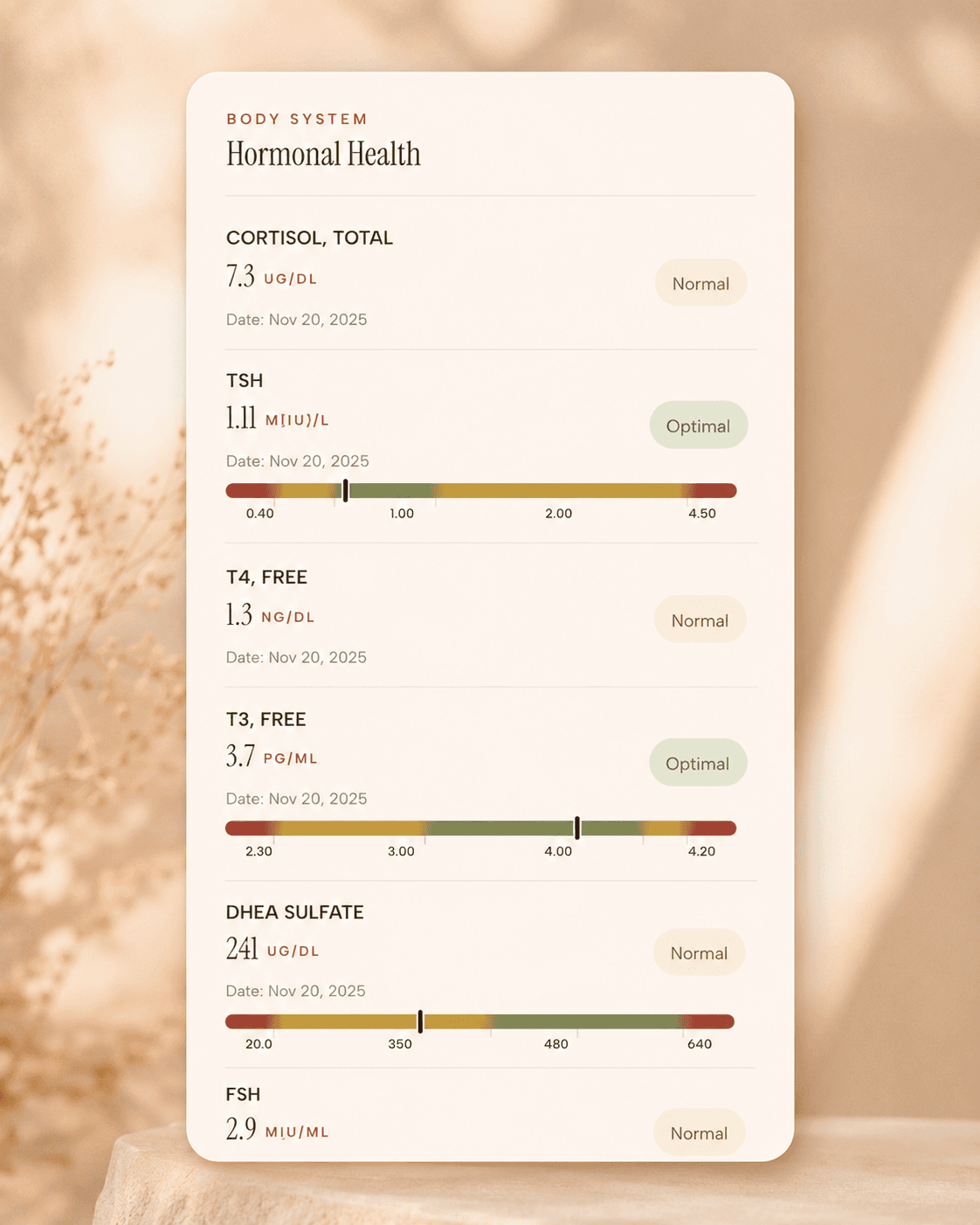
Before exploring any longevity intervention, knowing your baseline inflammatory markers, metabolic panel, and neurological risk factors matters. The Vitals Vault starting-from-$99 panel covers 100+ tests in one visit
so you know what you are actually working with
About 1 week
Schedule online — results typically within a week
Clear next steps
Guidance included, with follow-up care available
HSA / FSA
Eligible for pre-tax health spending accounts
Why Longevity Researchers Are Paying Attention Now
A credible academic broke from the sidelines
Matt Kaeberlein is not a fringe figure — he runs a major aging research lab, has published extensively on mTOR and rapamycin, and is known for being careful about what he endorses. When someone with that profile says publicly that psilocybin is one of the more exciting areas he is watching, it carries a different weight than a wellness influencer making the same claim.
The mechanism story has gotten more interesting
Early psilocybin research focused almost entirely on subjective experience — how people felt during and after a session. More recent work has started mapping what is happening at the cellular and molecular level, including changes in brain connectivity, reductions in certain inflammatory signals, and hints of interaction with the mTOR pathway that regulates how cells grow and recycle themselves. Those are exactly the kinds of levers that longevity researchers care about.
Neurodegeneration is the aging problem nobody has solved
Cardiovascular disease and metabolic dysfunction have seen real progress in prevention and treatment, but cognitive decline and neurodegeneration remain stubbornly difficult. Psilocybin's apparent ability to promote new connections between brain cells (neuroplasticity) has researchers wondering whether it could help maintain brain resilience as you age — even if the evidence for that specific application is still very early.
The Mechanisms Scientists Are Studying
Neuroplasticity: your brain rewiring itself
One of the most replicated findings in psilocybin research is that it promotes the growth of new connections between neurons — a process called neuroplasticity. Animal studies have shown that even a single dose can increase the density of dendritic spines, which are the tiny branches neurons use to communicate with each other, and some of those structural changes persist for weeks after the drug has left the system. In the context of aging, where the brain gradually loses connectivity and flexibility, that kind of effect is genuinely interesting — though we do not yet know whether it translates meaningfully in older human brains.
Inflammation: quieting a slow burn
Chronic low-grade inflammation [inflammaging] is one of the central drivers of biological aging, linked to everything from cardiovascular disease to cognitive decline. Early research suggests psilocybin may reduce certain inflammatory signals, possibly through its action on serotonin receptors found on immune cells, and some studies have measured lower levels of inflammatory markers like IL-6 in people who have undergone psilocybin-assisted therapy. This is promising but preliminary — most of the data comes from people being treated for depression, not from healthy aging populations.
mTOR: a cellular aging switch worth watching
The mTOR pathway [mechanistic target of rapamycin] acts like a master regulator of how your cells decide to grow, divide, or clean house — and overactive mTOR is strongly associated with accelerated aging. Some researchers, including Kaeberlein, are interested in whether psilocybin interacts with this pathway, potentially nudging cells toward the kind of maintenance and recycling behavior associated with longer healthspan. The evidence here is the most preliminary of all, existing largely at the level of hypothesis and early cell-culture work rather than human trials.
What the Evidence Does and Does Not Support
Strong evidence: mental health benefits in clinical settings
The most robust human evidence for psilocybin is in treatment-resistant depression and end-of-life anxiety, where multiple randomized controlled trials have shown meaningful and durable improvements. This is not longevity science per se, but it matters because chronic psychological stress accelerates biological aging — so reducing it has real downstream effects on healthspan.
Moderate evidence: measurable brain changes after treatment
Neuroimaging studies have consistently shown that psilocybin disrupts and then reorganizes patterns of brain connectivity, and some of those changes persist for months after a session. Researchers are cautiously optimistic that this reorganization could have protective effects for aging brains, but the studies have been small and have not followed participants long enough to draw conclusions about cognitive aging trajectories.
Preliminary evidence: anti-inflammatory and cellular effects
The data on inflammation and mTOR interaction is real but thin — mostly animal studies, small human samples, and mechanistic work that has not yet been tested in aging-focused clinical trials. It is enough to justify serious research attention, which is exactly what it is getting, but not enough to support any personal health decision right now.
No evidence yet: lifespan or healthspan extension in humans
To be direct: there are no human trials showing that psilocybin extends lifespan or measurably slows biological aging. The longevity angle is built on mechanistic plausibility — the pathways it touches are relevant to aging — rather than outcome data. That gap between mechanism and outcome is where most promising compounds eventually get humbled, and psilocybin is not exempt from that reality.
Risks and Caveats You Need to Know
Psychological risk is real and underreported in longevity coverage
Psilocybin can trigger intense and disorienting experiences, and for people with a personal or family history of psychosis or bipolar disorder, it carries a meaningful risk of precipitating a serious psychiatric episode. Most of the positive clinical trial data comes from carefully screened participants in controlled settings with trained guides — a context that is very different from self-administration at home.
Cardiovascular effects deserve attention if you have heart risk factors
Psilocybin causes a temporary but significant increase in heart rate and blood pressure during the acute experience, which is generally well-tolerated in healthy adults but has not been well-studied in people with existing cardiovascular disease. If your blood pressure, cholesterol, or cardiac history puts you in a higher-risk category, this is a conversation to have with a physician before it becomes relevant — not after.
The supplement and microdosing market is running far ahead of the science
A growing number of products marketed as psilocybin-adjacent — functional mushroom blends, microdosing kits, and similar offerings — make implicit or explicit longevity claims that have no clinical backing. The compounds in these products are often not psilocybin at all, and the regulatory oversight is minimal. Being excited about the science does not mean being credulous about the market.
Frequently Asked Questions
Can psilocybin actually slow aging?
There is no human evidence yet that psilocybin slows aging in any measurable way. What exists is early mechanistic evidence that it touches biological pathways — neuroplasticity, inflammation, and possibly mTOR signaling — that are relevant to how we age. That is enough to make it a legitimate research priority, but not enough to support using it as an anti-aging intervention.
What is microdosing and does it have longevity benefits?
Microdosing means taking a sub-perceptual amount of psilocybin — typically one-tenth to one-twentieth of a full dose — often on a regular schedule. Proponents claim benefits for mood, focus, and creativity, and some longevity enthusiasts have extended those claims to aging. The honest answer is that microdosing has been very difficult to study rigorously, the placebo effect is large, and there is currently no clinical evidence connecting it to longevity outcomes.
Why is Matt Kaeberlein excited about psilocybin for aging?
Kaeberlein has pointed to the convergence of findings around neuroplasticity, inflammation reduction, and potential mTOR pathway interactions as reasons to take psilocybin seriously as a longevity research target. He is not claiming it works — he is saying the mechanisms are interesting enough to study rigorously, which is a meaningful but carefully bounded statement from a scientist of his caliber.
Is psilocybin safe to try for longevity purposes right now?
Outside of approved clinical trials or legal therapeutic settings, psilocybin use carries both legal risk and meaningful health risk — particularly for people with psychiatric history or cardiovascular concerns. The longevity science is too preliminary to justify personal experimentation, and the gap between 'interesting mechanism' and 'safe and effective intervention' is where most compounds stumble. If you are curious, following the clinical trial landscape is the most reasonable path right now.
What lab tests are relevant if I am interested in longevity and brain health?
A solid baseline for anyone interested in aging and brain health includes inflammatory markers like hsCRP and IL-6, a full metabolic panel, thyroid function, lipid fractions, and fasting insulin — because many of the pathways psilocybin is theorized to influence are the same ones these markers reflect. Vitals Vault's 100+ test panel covers all of these in a single visit, which gives you a real picture of where you are starting from before any intervention, experimental or otherwise.