Progesterone and Sleep in Perimenopause: A Practical Guide
Yes, progesterone genuinely helps with sleep — and not just because it reduces hot flashes.


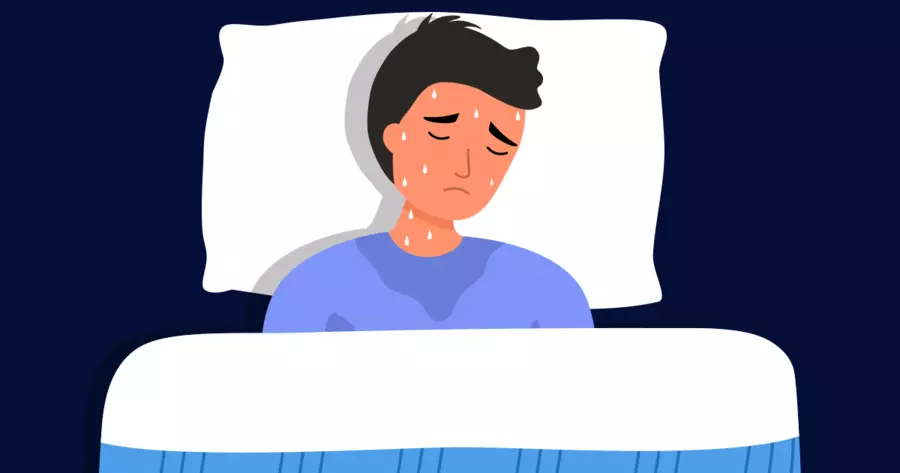
Yes, progesterone genuinely helps with sleep — and not just because it reduces hot flashes. It works directly on the part of your brain that produces calm, which is why women who start progesterone as part of hormone therapy often notice they fall asleep faster and wake up less, sometimes within the first week or two. But understanding why it works, and how it fits alongside other strategies, makes a real difference in how you talk to your doctor about it. This guide breaks down the actual mechanism, what the research shows, and what non-hormonal tools still matter even if you do go on hormone therapy. If you want to check your hormone levels before that conversation, Vitals Vault offers an at-home lab panel that includes progesterone, and you can also connect with a clinician through PocketMD to talk through your options.
Why this is trending
Two prominent voices in women's health and sleep science published new content on this topic within days of each other. Dr. Mary Claire Haver — an OB-GYN who has become one of the most-followed menopause educators online — released a short video specifically on progesterone and sleep, explaining the brain chemistry in plain terms. Around the same time, sleep researcher Matt Walker released a new episode exploring what happens to the sleeping brain, which his audience quickly connected to the hormone conversation already circulating in perimenopause communities. What is actually new here is not the science itself — researchers have known about progesterone's effect on brain receptors for decades — but the moment when that science is finally reaching women who were never told about it. Many women in their 40s and early 50s are realizing that the insomnia they blamed on stress or aging is, at least in part, a hormone story with a real treatment pathway.
What Progesterone Actually Does for Sleep
It calms your brain through a specific receptor
Progesterone breaks down in your body into a compound called allopregnanolone, which latches onto the same receptors in your brain that respond to anti-anxiety medications — the calming receptors known as GABA-A receptors [GABA-A]. This is not a vague or indirect effect; it is the same pathway that makes you feel drowsy and relaxed, which is why progesterone has a genuinely sedating quality that estrogen alone does not.
It is different from the other hormones in HRT
When people talk about hormone replacement therapy, they often lump estrogen and progesterone together as if they do the same thing, but they do not. Estrogen mainly addresses hot flashes and vaginal dryness, while progesterone's sleep benefit comes from that direct brain-calming mechanism — so if you are only on estrogen, you may still be missing the piece that most directly helps you sleep.
Progesterone levels drop well before menopause
Most women think of hormone loss as something that happens at menopause, but progesterone starts declining in your late 30s and can fall significantly during perimenopause — sometimes years before your periods stop. This is one reason why disrupted sleep often begins in the mid-40s, long before a woman would typically be offered any hormone conversation.
Lab testing
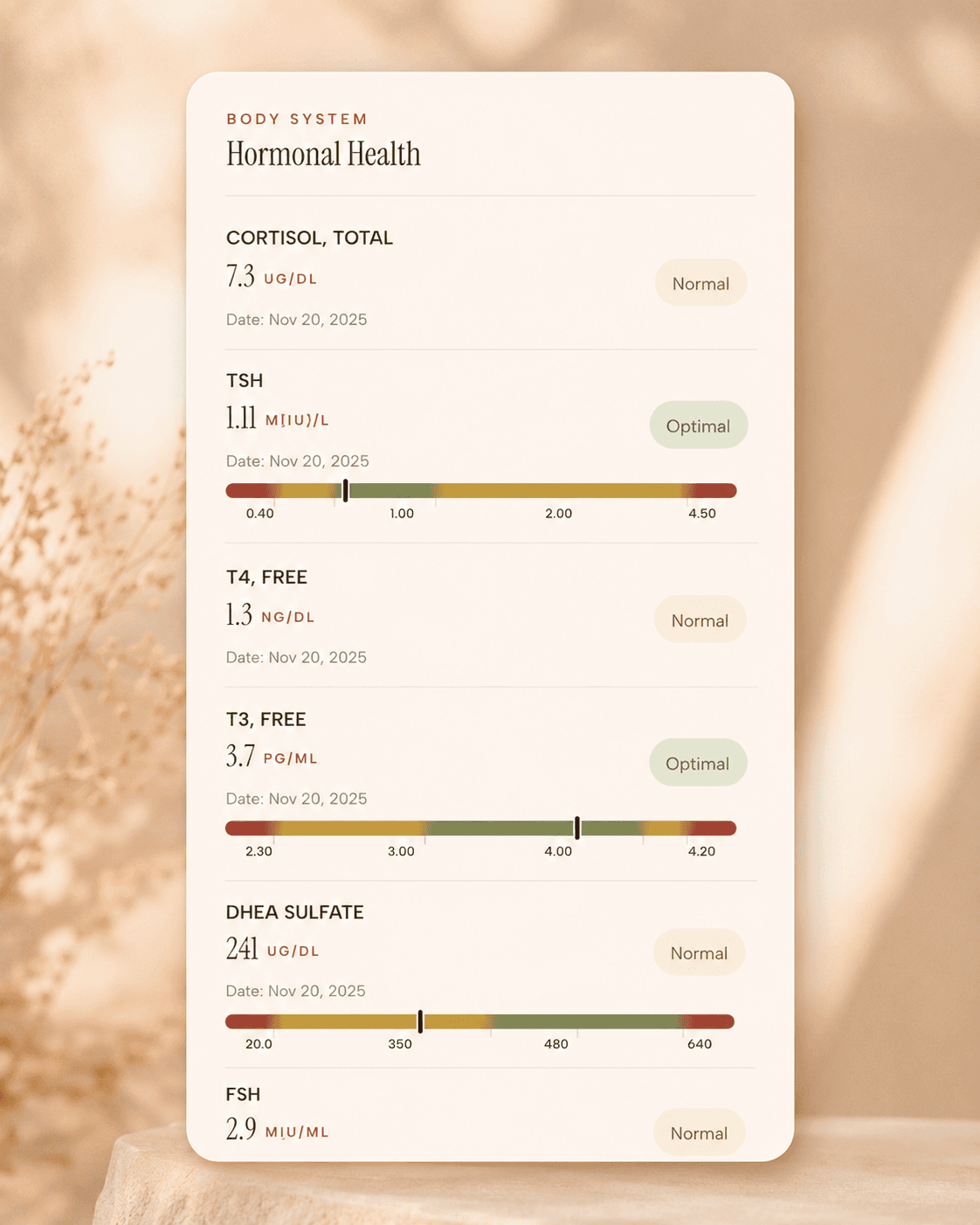
Check your progesterone, estrogen, and thyroid levels before your next appointment
our starting-from-$99 panel covers 100+ tests in one visit, so you walk in with data instead of guesses
About 1 week
Schedule online — results typically within a week
Clear next steps
Guidance included, with follow-up care available
HSA / FSA
Eligible for pre-tax health spending accounts
Why This Topic Is Trending Right Now
Menopause educators are finally naming the mechanism
For years, women were told that menopause causes poor sleep, full stop — without being told which hormone was responsible or why. Clinicians like Dr. Mary Claire Haver are now explaining the GABA-A pathway in plain language, and that specificity is resonating because it gives women something concrete to bring to their doctor rather than just a complaint.
Sleep science is meeting the hormone conversation
Researchers like Matt Walker have spent years documenting how deep sleep is essential for brain health, emotional regulation, and metabolic function — and perimenopause communities are now connecting that research to their own hormone-driven sleep loss. The overlap is creating a more urgent, better-informed conversation than either community was having alone.
Women are pushing back on being undertreated
A generation of women who were told to manage menopause symptoms with lifestyle changes alone is now asking harder questions, partly because social media has given them access to clinicians who offer different answers. The result is a wave of women arriving at appointments with specific questions about progesterone — and some finding that their doctors had not thought to offer it.
The Evidence Behind Progesterone and Sleep
Clinical trials show real improvements in sleep quality
Multiple randomized controlled trials — the gold standard of medical evidence — have found that oral micronized progesterone improves sleep quality in perimenopausal and postmenopausal women, including reductions in the time it takes to fall asleep and fewer nighttime awakenings. These are not small or marginal effects; participants in several studies reported meaningful improvements in how rested they felt.
The GABA-A mechanism is well established in research
The conversion of progesterone to allopregnanolone, and allopregnanolone's activity at GABA-A receptors, has been studied for decades in neuroscience and is not disputed. What is still being worked out is the precise dose and timing that produces the best sleep benefit for individual women, which is why this remains an active area of clinical research rather than a fully settled protocol.
Oral progesterone appears more sedating than other forms
Research suggests that oral micronized progesterone produces higher levels of allopregnanolone than progesterone delivered through the skin as a cream or gel, because the oral route passes through the liver in a way that generates more of the sleep-promoting breakdown product. This does not mean creams are useless — they have other benefits — but it is a clinically relevant distinction when sleep is the primary concern.
Hot flash reduction adds an indirect sleep benefit
Progesterone also reduces the frequency and intensity of hot flashes in many women, and since nighttime hot flashes are one of the most common causes of waking up during perimenopause, this creates a second pathway to better sleep on top of the direct brain effect. The two mechanisms together may explain why women on combined hormone therapy often report more dramatic sleep improvements than those on estrogen alone.
How to Apply This to Your Own Care
Come to your appointment with specific questions ready
Rather than saying "I'm not sleeping well," try describing the pattern — whether you struggle to fall asleep, wake repeatedly, or feel unrested despite adequate hours — and ask specifically whether progesterone might address what you are experiencing. Mentioning that you know about the GABA-A mechanism signals that you want a real clinical conversation, not a generic reassurance.
Track your symptoms and triggers for two weeks first
Keeping a simple log of when you wake up — and what you ate, drank, or felt in the hour before bed — often reveals patterns that make the conversation with your doctor much more productive. It is also worth noting where you are in your cycle if you are still having periods, because progesterone levels naturally fluctuate and your worst sleep nights may cluster in a predictable way.
Non-hormonal strategies still matter even on progesterone
Progesterone is not a substitute for sleep hygiene, and the research is clear that cognitive behavioral therapy for insomnia [CBT-I] remains the most effective long-term treatment for chronic insomnia regardless of hormone status. Think of progesterone as addressing the hormonal floor beneath your sleep, while consistent sleep and wake times, a cool room, and reduced evening light address the behavioral ceiling above it.
Risks and Caveats Worth Knowing
Hormone therapy is not right for everyone
Women with a personal history of certain hormone-sensitive cancers, unexplained vaginal bleeding, or active blood clot disorders are generally not candidates for progesterone therapy, and the decision always requires a full medical history review. This is not a reason to avoid the conversation — it is a reason to have it with a clinician who knows your complete picture rather than making assumptions in either direction.
Synthetic progestins are not the same as micronized progesterone
Some older forms of hormone therapy used synthetic compounds called progestins, which do not convert to allopregnanolone the same way and may not carry the same sleep benefit — and some research suggests they have a less favorable safety profile for breast tissue. If sleep is your primary goal, it is worth asking specifically about oral micronized progesterone rather than accepting any progestin as equivalent.
Some symptoms that feel hormonal have other causes
Thyroid problems, anxiety disorders, and sleep apnea can all produce symptoms — fatigue, waking at night, feeling unrested — that overlap significantly with hormone-driven sleep disruption. Getting a lab panel that includes thyroid markers alongside your hormone levels helps rule out other causes before you and your doctor land on a treatment plan.
Frequently Asked Questions
How quickly does progesterone improve sleep?
Many women notice a difference within the first one to two weeks of starting oral micronized progesterone, though individual responses vary depending on dose, overall hormone levels, and other sleep factors. The sedating effect from the GABA-A pathway tends to be felt relatively quickly, while the broader benefit from reduced hot flashes may take a few weeks longer to fully develop.
Can I take progesterone just for sleep even if I don't have other menopause symptoms?
This is a legitimate question to raise with your doctor, and some clinicians do prescribe low-dose oral progesterone specifically for sleep in perimenopausal women. However, the decision depends on your full hormone picture, your medical history, and whether your sleep disruption is primarily hormonal — which is why getting your levels tested first gives you and your doctor a much clearer starting point.
Is bioidentical progesterone safer than synthetic progestins?
Oral micronized progesterone, which is bioidentical, has a more favorable research profile for sleep and breast tissue compared to older synthetic progestins, though the term "bioidentical" is sometimes used loosely in marketing to describe compounded products that have not been through the same testing. The most important distinction for sleep is whether the form you are taking converts to allopregnanolone, which oral micronized progesterone does and most synthetic progestins do not.
What if I can't take hormone therapy — are there other options for perimenopause insomnia?
Yes, and they are genuinely effective. Cognitive behavioral therapy for insomnia is the most evidence-backed treatment for chronic insomnia and works regardless of hormone status. Some non-hormonal medications are also approved for menopause-related symptoms, and addressing contributing factors like thyroid dysfunction, sleep apnea, or anxiety can make a significant difference even without hormones.
Do I need to test my progesterone levels before starting hormone therapy?
Testing is not always required before starting therapy, but it gives you and your doctor useful context — especially if your symptoms are ambiguous or if other conditions like thyroid problems could be contributing. A baseline panel that includes progesterone, estrogen, and thyroid markers helps confirm that what you are experiencing is hormone-driven and gives you a reference point for tracking how well treatment is working.