NAD Infusion Risks vs Oral NMN and NR Supplements
NAD infusions are not the same thing as taking an NMN or NR capsule, and the safety gap between them is wider than most wellness content admits.


NAD infusions are not the same thing as taking an NMN or NR capsule, and the safety gap between them is wider than most wellness content admits. The short answer is that oral NAD precursors like nicotinamide mononucleotide (NMN) and nicotinamide riboside (NR) have a reasonable early-stage safety record, while intravenous NAD carries real, documented side effects — including chest tightness and sensations that feel disturbingly like a heart attack — that most IV drip clinics are not upfront about. This question is getting urgent attention right now because longevity researcher Matt Kaeberlein published several pointed warnings this week about NAD infusion dangers, including accounts of cardiac-like symptoms during infusions. If you have been wondering whether the IV version is worth the premium over a daily capsule, or whether either approach is backed by enough evidence to justify the cost and risk, this article walks through what is real, what is preliminary, and what you can actually do with that information. Vitals Vault's at-home lab panels can also help you track the metabolic markers most relevant to cellular energy before and after any NAD strategy you try.
Why this is trending
NAD therapy has been building momentum in longevity circles for several years, but the conversation shifted this week when Kaeberlein — a respected aging-biology researcher at the University of Washington — posted multiple short-form videos specifically flagging cardiac symptoms associated with NAD infusions, including one account of a sensation so intense it was described as a heart attack. That kind of signal from a credentialed scientist, rather than a skeptical journalist, carries weight and has sent a lot of people searching for a clearer picture. The broader context is that NAD levels do genuinely decline as you age, and restoring them is a legitimate area of research — but the leap from interesting mouse data to expensive IV clinics marketing infusions as anti-aging treatments happened much faster than the human evidence did. Oral precursors like NMN and NR have more human trial data than the IV route, which is a somewhat counterintuitive fact that gets lost in the premium pricing and clinical-looking aesthetics of drip lounges.
What NAD Therapy Actually Is
NAD is a molecule every cell needs
Nicotinamide adenine dinucleotide (NAD+) is a coenzyme your cells use to convert food into usable energy and to activate proteins involved in DNA repair. Your levels drop significantly between your 20s and your 50s, which is why researchers got interested in whether restoring them could slow some aspects of aging.
Oral precursors let your body build NAD itself
NMN and NR are not NAD itself — they are raw materials your body converts into NAD through normal metabolic pathways. Taking them as capsules is a gentler, slower approach that works with your body's own production system rather than bypassing it.
IV infusions flood the bloodstream directly
An intravenous NAD infusion delivers the molecule straight into your bloodstream, skipping digestion entirely and pushing NAD levels up sharply and quickly. That speed is exactly why the side-effect profile is different — your body does not have the same chance to regulate the dose the way it would with an oral supplement.
Lab testing
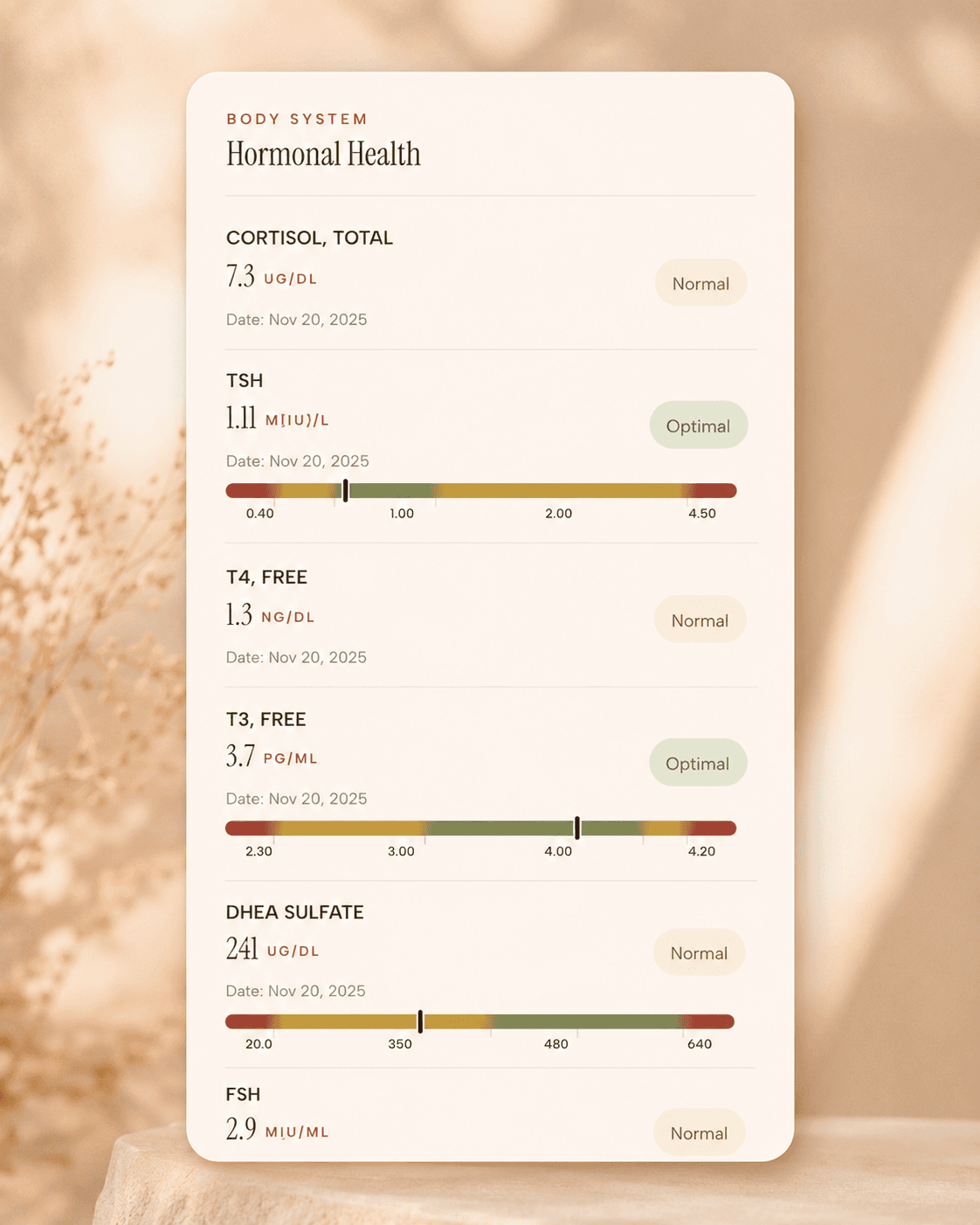
Track the metabolic and inflammatory markers most relevant to cellular energy
including glucose, insulin, and CRP
with a starting-from-$99 panel covering 100+ tests, one visit, no subscription required
About 1 week
Schedule online — results typically within a week
Clear next steps
Guidance included, with follow-up care available
HSA / FSA
Eligible for pre-tax health spending accounts
Why This Is Trending Right Now
A credentialed researcher raised a cardiac alarm
Matt Kaeberlein's recent videos describing heart-attack-like sensations during NAD infusions are significant because he is not a wellness skeptic — he studies aging biology professionally and has been broadly supportive of NAD research. When someone with that background says the IV route scared him, it changes the conversation.
IV drip clinics expanded faster than the evidence did
NAD infusion clinics proliferated across the US over the past few years, often charging $300 to $1,000 per session and marketing the treatment as a longevity essential. The human clinical trial data has not kept pace with that commercial expansion, which means many people have been paying a lot of money for something with an uncertain risk-benefit ratio.
Oral NMN and NR are now widely available and cheaper
As NMN and NR supplements became mainstream and affordable, the practical question shifted from whether to pursue NAD support to which form makes sense. That comparison is what most people are actually trying to answer right now, and the honest answer involves acknowledging that the IV route has a meaningfully different risk profile.
What the Evidence Actually Shows
Human NMN trials show modest but real effects
Several small human trials have found that oral NMN raises blood NAD levels measurably and improves some markers of muscle function and insulin sensitivity in older adults. The effects are real but modest — we are not talking about dramatic rejuvenation, and most trials have been short-term with small sample sizes.
NR has the most human safety data of any form
Nicotinamide riboside has been studied in humans longer than NMN and has a solid short-term safety record at doses up to about 2,000 mg per day in published trials. It raises NAD levels reliably, though whether that translates into meaningful health outcomes for healthy middle-aged adults is still an open question.
IV NAD has almost no controlled human trial data
Despite being sold commercially for years, intravenous NAD therapy has very little published controlled trial evidence in humans — most of what exists comes from addiction medicine, where it has been used off-label for withdrawal management. The longevity and anti-aging applications being marketed by drip clinics are essentially extrapolations from preclinical work.
Side effects during infusions are well-documented anecdotally
Chest tightness, nausea, a racing or pounding heart, and a general sense of pressure in the chest are commonly reported during NAD infusions, particularly when the drip runs too fast. These symptoms typically resolve when the infusion is slowed or stopped, but the fact that they occur at all — and that some people describe them as feeling like a cardiac event — is a serious consideration that clinics often downplay.
How It Works in Your Body
Your cells use NAD to run energy metabolism
Inside your mitochondria — the parts of your cells that generate energy — NAD acts as an electron carrier, shuttling energy from the food you eat into a form your cells can actually use. When NAD levels are low, this process becomes less efficient, which shows up as fatigue, slower recovery, and reduced metabolic flexibility.
NAD also activates your DNA repair proteins
A family of proteins called sirtuins, which are involved in DNA repair and stress resistance, require NAD to function. This is the connection that made NAD so exciting in aging research — in animal models, keeping sirtuin activity high is associated with longer healthspan, and NAD is the fuel that keeps them running.
The route of delivery changes how your body responds
When you take an oral precursor, your gut, liver, and tissues convert it into NAD gradually, and your cells regulate how much they actually use. An IV infusion bypasses all of that regulation and delivers a large bolus directly to your heart and blood vessels before the rest of your tissues can absorb it — which is the most likely explanation for the cardiovascular symptoms some people experience.
Risks and Caveats to Know
Cardiac symptoms during infusions are not rare
Chest pressure, palpitations, and a racing heart during NAD infusions are reported frequently enough that they should be considered expected side effects rather than rare anomalies. If you have any underlying heart condition, arrhythmia history, or uncontrolled high blood pressure, the IV route carries a risk that is genuinely hard to justify given the lack of proven benefit over oral options — talk to a physician before considering it.
High-dose oral NAD precursors have their own cautions
Very high doses of nicotinamide — a related compound sometimes used to boost NAD — have been associated with liver stress in some studies, and there is preliminary research suggesting that flooding certain cancer-prone tissues with NAD precursors could theoretically support tumor growth. This is not a reason to panic about standard supplement doses, but it is a reason to be skeptical of the more-is-better framing common in longevity marketing.
Neither form has long-term human safety data
The honest truth is that we do not have 10- or 20-year safety data on either oral NMN or IV NAD in humans — the research is too new. What we do have suggests oral precursors are safer in the short term, but anyone presenting either approach as a fully proven, risk-free longevity intervention is overstating what the science currently supports.
Frequently Asked Questions
Is an NAD infusion actually dangerous?
For most healthy people, a properly administered infusion is unlikely to be immediately life-threatening, but chest tightness, palpitations, and sensations that feel like a cardiac event are common enough that they cannot be dismissed. The risk is higher if the infusion runs too fast, and it is meaningfully higher if you have any existing heart or blood pressure issues. Given that oral NMN and NR raise NAD levels without those symptoms, the risk-benefit math for infusions is hard to justify for most people.
Does oral NMN actually raise NAD levels?
Yes — multiple human trials have confirmed that oral NMN raises blood NAD levels measurably within a few weeks of consistent use. Whether that rise translates into the health outcomes being marketed is a separate and less settled question, but the basic mechanism does work in humans, not just in mice.
What is the difference between NMN and NR?
Both are precursors your body converts into NAD, but they enter the conversion pathway at slightly different points. NR has more published human safety data and has been studied longer, while NMN has generated more recent excitement partly because of high-profile endorsements. In practical terms, both appear to raise NAD levels effectively, and neither has been proven superior in a head-to-head human trial.
How much does an NAD infusion cost compared to oral supplements?
A single NAD infusion typically runs between $300 and $1,000 at a drip clinic, and many protocols recommend multiple sessions. A month's supply of a quality oral NMN or NR supplement generally costs between $40 and $80. That cost difference is significant when you factor in that the oral route also has a better short-term safety profile.
Can I check my NAD levels with a blood test?
Standard clinical labs do not routinely test whole-blood NAD levels, but some specialty and direct-to-consumer panels do offer it. More practically useful are the metabolic markers that reflect how well your cellular energy systems are functioning — things like fasting insulin, glucose, and inflammatory markers — which Vitals Vault's panels include and which give you a baseline to track over time.