Fatty Liver: Catch and Reverse It Early
Fatty liver disease is not a late-stage inevitability reserved for heavy drinkers — it is a metabolic condition that develops quietly in people with perfectly normal-looking blood work, and it has a meaningful window where it can be fully reversed.


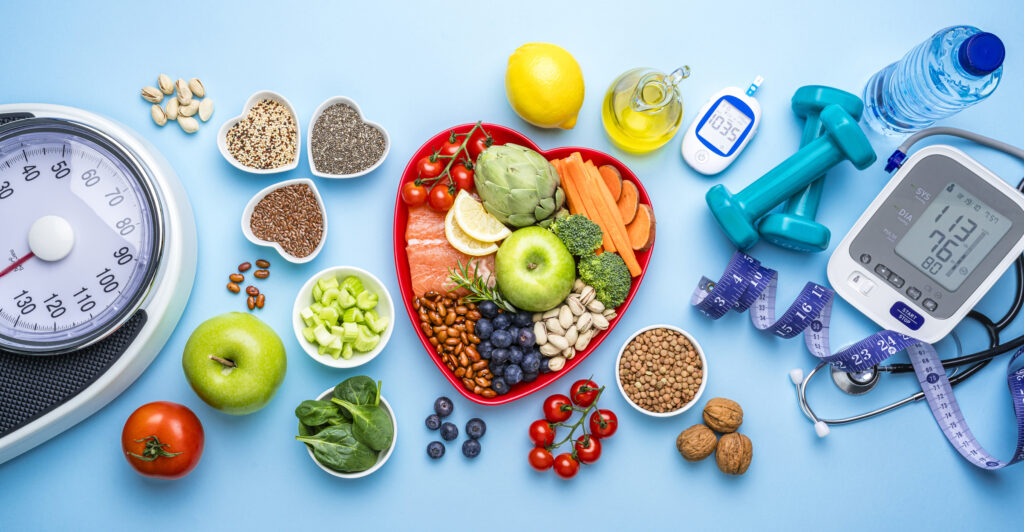
Fatty liver disease is not a late-stage inevitability reserved for heavy drinkers — it is a metabolic condition that develops quietly in people with perfectly normal-looking blood work, and it has a meaningful window where it can be fully reversed. The key is catching it before the liver starts scarring, because once significant fibrosis sets in, the conversation shifts from reversal to management. This is one of the most actionable areas in preventive health right now, and the good news is that the biomarkers you need are not exotic. Many are already on a standard panel. If you want to dig into your numbers with a clinician before your next doctor's appointment, Vitals Vault's PocketMD line connects you with a physician who can walk through exactly what your results mean.
Why this is trending
Peter Attia released both a full AMA episode and a YouTube preview this week focused entirely on metabolic liver health — covering how to assess risk, which markers actually matter, and what early intervention looks like in practice. The response from his audience has been notable, with a lot of people realizing for the first time that their liver enzymes have been quietly elevated for years without anyone flagging it as urgent. What is genuinely new here is not the existence of fatty liver disease but the reframing of it as a metabolic condition with a reversible window rather than a slow march toward cirrhosis. The renaming of the condition from NAFLD to MASLD — metabolic dysfunction-associated steatotic liver disease — reflects a real shift in how clinicians are thinking about it, tying it explicitly to insulin resistance and metabolic syndrome rather than treating it as a standalone organ problem.
What Metabolic Liver Disease Actually Is
Fat in the liver is not always harmless
When your liver accumulates fat — a condition now called metabolic dysfunction-associated steatotic liver disease (MASLD) — it is usually a sign that your body has been storing more energy than it can process, often driven by insulin resistance. In the early stages there are no symptoms, which is exactly why it gets missed for so long.
The progression from fat to scarring is the critical line
Simple fat accumulation in the liver is reversible with the right changes. The danger comes when ongoing inflammation causes the liver to start laying down scar tissue — a process called fibrosis — because significant fibrosis is much harder to undo and eventually leads to cirrhosis.
This is a metabolic problem, not just a liver problem
MASLD almost always travels with other metabolic dysfunction: elevated triglycerides, high fasting insulin, central weight gain, and rising blood sugar. Treating the liver in isolation misses the point — the liver is reflecting what is happening across your entire metabolic system.
Lab testing
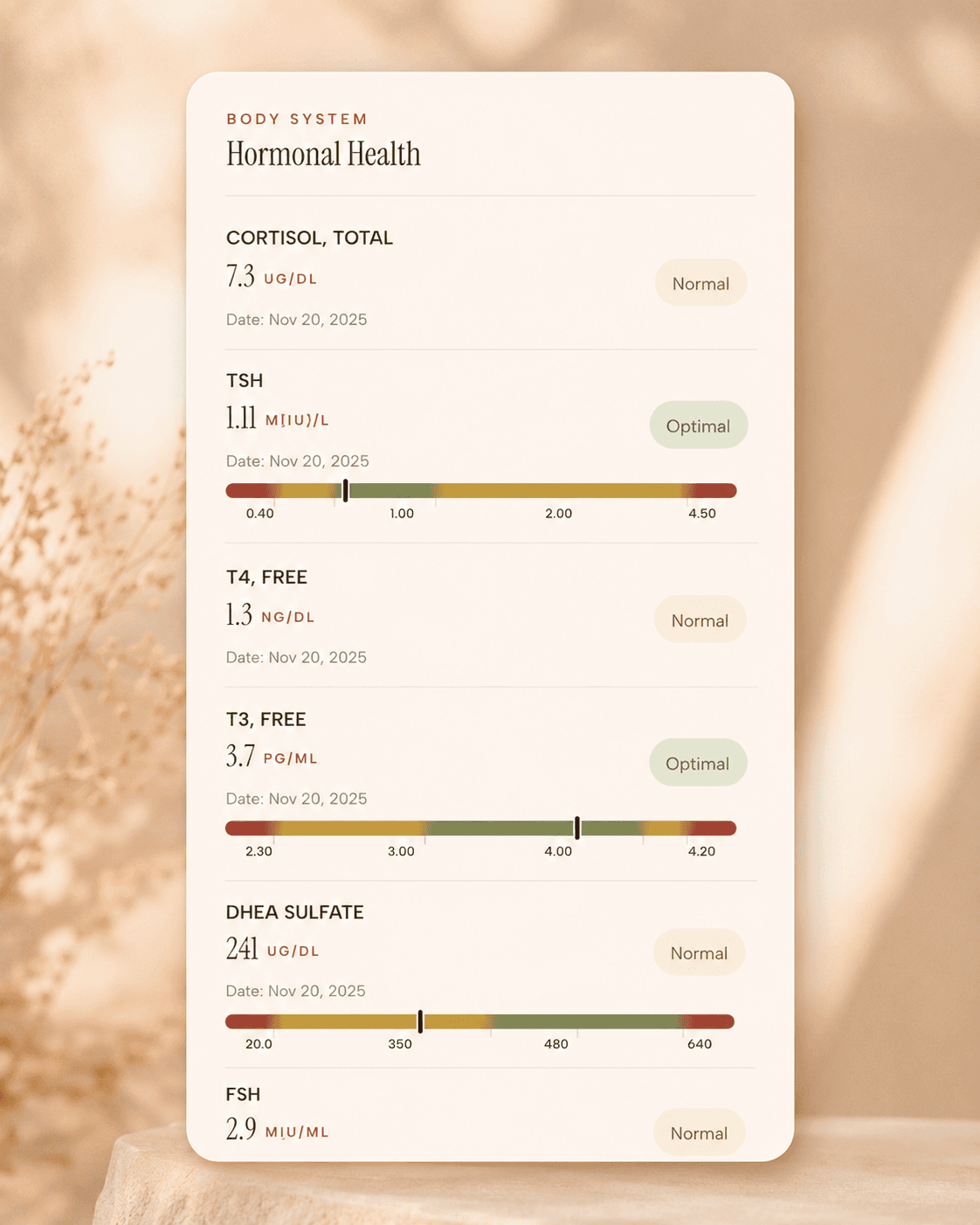
Check the markers that matter
ALT, AST, GGT, fasting insulin, triglycerides, and more
with our starting from $99 panel with 100+ tests, one visit. No referral needed
About 1 week
Schedule online — results typically within a week
Clear next steps
Guidance included, with follow-up care available
HSA / FSA
Eligible for pre-tax health spending accounts
Why Everyone Is Talking About This Now
A major clinician voice just made it accessible
Peter Attia's detailed AMA on metabolic liver health brought a lot of nuance to a mainstream audience — specifically the idea that standard liver enzyme tests are a poor screening tool on their own and that most people with early liver fat have no idea. That framing has resonated widely because it is both alarming and actionable.
The condition is far more common than most people realize
Estimates suggest that roughly one in four adults globally has some degree of liver fat accumulation, and rates are rising alongside obesity and type 2 diabetes. The fact that it is so common yet so underdiagnosed is part of what is driving the current conversation.
GLP-1 medications have put liver health in the spotlight
The explosion of interest in GLP-1 receptor agonists like semaglutide has indirectly spotlighted liver health, because significant weight loss — whether from medication or lifestyle — produces measurable improvements in liver fat. People who are already tracking their metabolic health are now asking what their liver numbers look like.
The Evidence on Early Intervention
Weight loss of 7-10% moves the needle significantly
Multiple controlled trials have shown that losing roughly 7 to 10 percent of body weight reduces liver fat measurably and, in many cases, reverses early-stage disease entirely. The effect is dose-dependent — more weight lost tends to mean more liver fat cleared — but even modest losses produce real changes.
Fructose and refined carbohydrates drive liver fat directly
Your liver is the primary site where fructose gets processed, and when you flood it with more than it can handle — through sweetened drinks, ultra-processed foods, and large amounts of added sugar — it converts the excess into fat and stores it on site. Reducing these inputs is one of the fastest dietary levers available.
Exercise improves liver health even without weight loss
Resistance training and aerobic exercise both reduce liver fat through mechanisms that are partly independent of the scale — they improve insulin sensitivity and increase the liver's ability to export and burn fat. This is important because it means you do not have to wait until you have lost significant weight to start seeing liver improvements.
The FIB-4 score is a practical first-line fibrosis screen
The FIB-4 score — calculated from your age, ALT, AST, and platelet count — gives clinicians a non-invasive way to estimate whether significant fibrosis is likely, without needing a liver biopsy. It is not perfect, but it is a reasonable starting point that can be calculated from a standard blood panel you may already have.
How to Apply This to Your Own Health
Ask for the right markers at your next blood draw
A basic liver screen should include ALT, AST, and GGT — but to understand the metabolic picture you also want fasting insulin, fasting glucose, triglycerides, and a platelet count so a FIB-4 score can be calculated. If your doctor orders only a standard metabolic panel, you may be missing half the story.
Know what your ALT number actually means
Many labs flag ALT as normal up to 40 or even 56 units per liter, but research suggests that values above roughly 25 in women and 33 in men may already signal early liver stress. If your result is technically in range but on the higher end, it is worth asking your clinician whether it warrants a closer look.
Target the dietary and exercise changes with the strongest evidence first
Cutting sweetened beverages and ultra-processed foods while adding two to three resistance training sessions per week addresses the two most evidence-backed levers simultaneously. Tracking your fasting triglycerides over the following three months gives you an objective signal of whether your liver's fat metabolism is improving.
Risks and Caveats to Know
Normal liver enzymes do not rule out liver fat
This is the most important caveat in this entire space: you can have significant liver fat accumulation with completely normal ALT and AST values. Enzyme levels reflect liver cell damage, not fat content, so a clean enzyme panel is reassuring but not a guarantee that your liver is healthy.
Rapid weight loss can temporarily worsen liver inflammation
Very aggressive calorie restriction — losing more than about two pounds per week for an extended period — can actually increase liver inflammation in the short term, even though slower sustained loss is beneficial. If you are pursuing significant weight loss, doing it at a moderate pace and with clinical oversight is genuinely important.
Some supplements marketed for liver health have limited or mixed evidence
Milk thistle, NAC, and various liver-support blends are popular, but the evidence for most of them in reversing established liver fat is preliminary at best. They are not a substitute for the dietary and exercise changes that have robust trial data behind them, and a few can interact with medications or mask enzyme changes your doctor needs to see.
Frequently Asked Questions
Can fatty liver be reversed completely?
Yes — in the early stages, before significant fibrosis has developed, fatty liver is fully reversible through sustained lifestyle changes. The most important factor is catching it before scarring begins, which is why early detection matters so much. Once fibrosis is moderate to advanced, the goal shifts toward slowing progression rather than full reversal.
What blood tests should I ask for to check my liver health?
At minimum you want ALT, AST, and GGT from a liver panel, plus fasting insulin, fasting glucose, triglycerides, and a platelet count so your clinician can calculate a FIB-4 fibrosis estimate. Vitals Vault's starting from $99 panel with 100+ tests covers these markers in a single visit without needing a referral.
How long does it take to reduce liver fat with lifestyle changes?
Studies using imaging to measure liver fat have shown meaningful reductions within eight to twelve weeks of consistent dietary changes and exercise, particularly when fructose and refined carbohydrates are reduced significantly. Fasting triglycerides tend to improve on a similar timeline and can serve as a practical proxy for progress between imaging studies.
Is alcohol the main cause of fatty liver disease?
No — the majority of fatty liver disease today is metabolic in origin, driven by insulin resistance, excess calorie intake, and high consumption of refined carbohydrates and fructose rather than alcohol. Alcohol does cause a separate condition called alcoholic liver disease, but the metabolic form now affects far more people globally.
What is the FIB-4 score and should I ask my doctor about it?
The FIB-4 score is a simple calculation using your age, ALT, AST, and platelet count that estimates the likelihood of significant liver fibrosis without requiring a biopsy. If you have had elevated liver enzymes or multiple metabolic risk factors, it is a reasonable question to raise with your doctor — and if you want to review your existing labs first, a PocketMD physician can walk you through the calculation.