Menopause Symptoms Beyond Hot Flashes Explained
Hot flashes get all the attention, but estrogen does far more in your body than regulate temperature — and when it drops, the effects show up in places most doctors never mention.


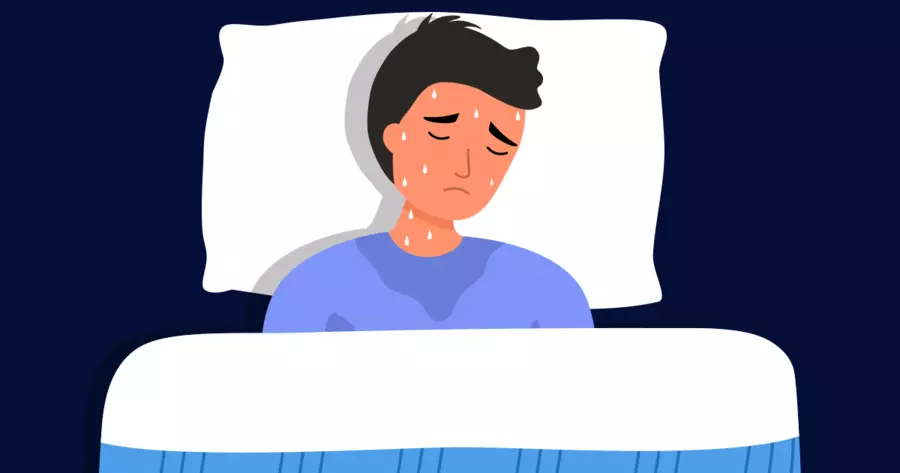
Hot flashes get all the attention, but estrogen does far more in your body than regulate temperature — and when it drops, the effects show up in places most doctors never mention. Heel pain that appears out of nowhere, shoes that suddenly feel too tight, a brain fog so thick it affects your work, and joints that ache like you aged a decade overnight are all legitimate menopause symptoms with real biological explanations. This article walks through the physical changes that tend to blindside women most — what is actually happening in your body, why it happens, and what you can do about it. If you want a clinician to look at your full picture, Vitals Vault's PocketMD line connects you with a doctor who can review your labs and symptoms together rather than treating each complaint in isolation.
Why this is trending
Physician and author Dr. Mary Claire Haver has been publishing short videos this week specifically naming foot changes and workplace brain fog as menopause symptoms — and the response has been enormous, with women in the comments saying they had no idea these were connected to hormones. At the same time, renewed attention to the menopause research funding gap, amplified by advocates including Melinda French Gates, has pushed the broader conversation into mainstream news. None of this is new science. Researchers have known for years that estrogen receptors exist throughout the body — in tendons, cartilage, the brain, and even the skin of your feet. What is new is that women are finally hearing about it publicly, which means many are connecting symptoms they have had for years to a cause for the first time.
The symptoms estrogen loss actually causes
Foot pain and shoe size changes are real
Estrogen helps keep the ligaments and tendons in your feet tight and supportive, so when levels fall, those tissues loosen — which can cause your arch to flatten and your foot to actually lengthen or widen. Women in perimenopause and menopause frequently report heel pain first thing in the morning, a condition called plantar fasciitis, along with the disorienting experience of needing a larger shoe size after decades in the same one.
Brain fog is not in your head — it is in your brain
Estrogen acts like a fuel source for the brain, supporting the production of a chemical messenger called acetylcholine that is critical for memory and focus. When estrogen drops, many women describe a specific kind of mental cloudiness — losing words mid-sentence, forgetting why they walked into a room, or struggling to hold a train of thought during meetings — that is distinct from ordinary tiredness.
Joint pain and skin changes round out the picture
Estrogen has anti-inflammatory properties throughout the body, so its decline can trigger aching in the knees, hips, and hands that feels like early arthritis but is actually driven by hormonal change. Skin becomes drier and thinner, collagen production slows, and some women notice their nails and hair change texture — all part of the same estrogen withdrawal affecting connective tissue everywhere.
Lab testing
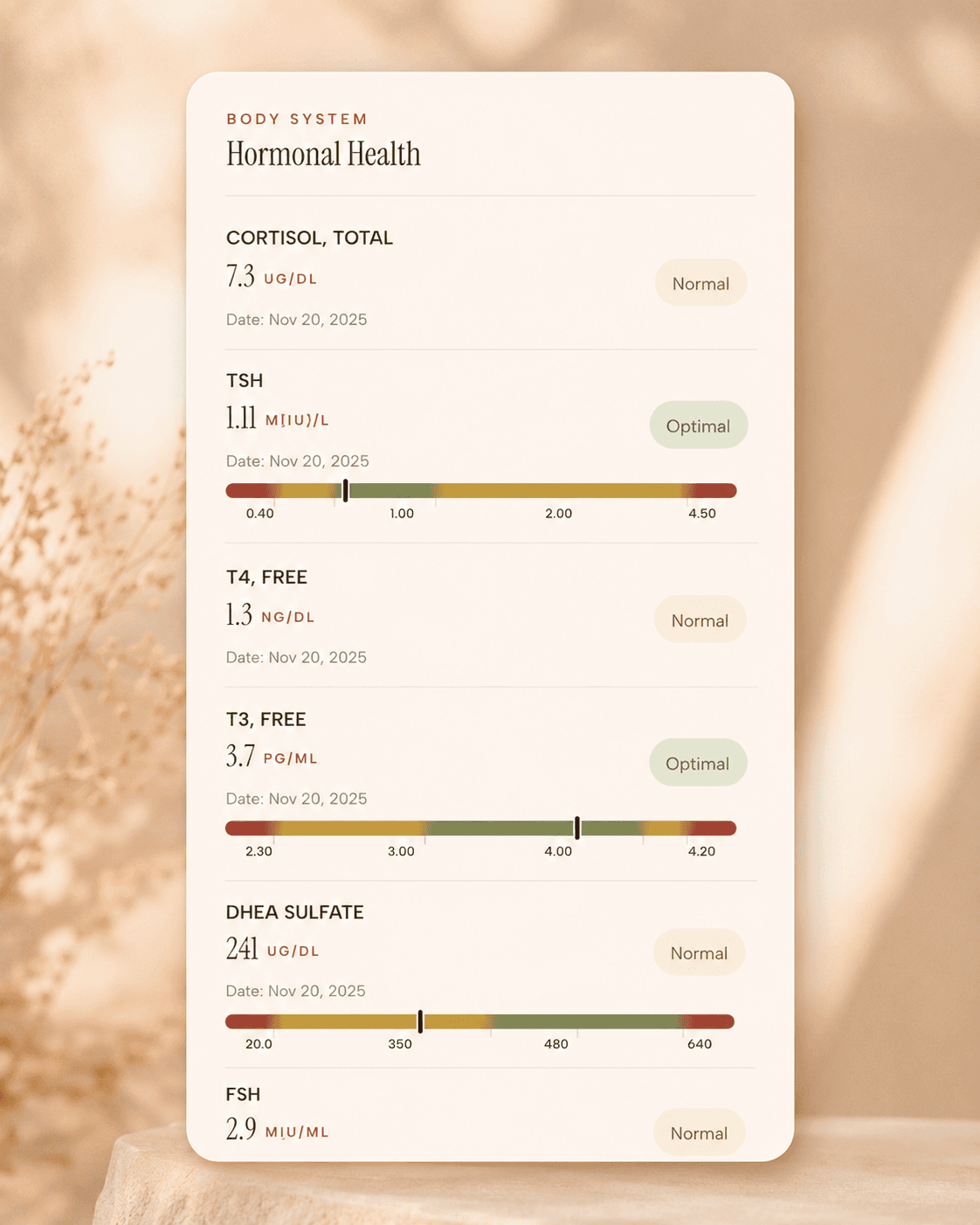
A Vitals Vault starting-from-$99 panel with 100+ tests covers the key markers tied to these symptoms
estrogen, thyroid, inflammation, and vitamin D
in one visit, no referral needed
About 1 week
Schedule online — results typically within a week
Clear next steps
Guidance included, with follow-up care available
HSA / FSA
Eligible for pre-tax health spending accounts
Why women are only hearing about this now
Doctors were trained to expect hot flashes only
For decades, medical education framed menopause around a short list of classic symptoms, which meant that when a woman came in with heel pain or cognitive complaints, the hormonal connection was rarely made. Many women were sent to podiatrists, neurologists, or rheumatologists — getting treated for the symptom while the underlying hormonal cause went unaddressed.
Social media is filling the gap mainstream medicine left
Physicians like Dr. Haver are reaching millions of women in two-minute videos with information that should have been part of routine gynecological care all along. The comment sections on these videos function almost like support groups, with women describing symptoms they had for years without knowing what caused them — which is both a sign of how badly the information gap has hurt people and how hungry women are for honest answers.
The research funding gap made this worse
Menopause research has been chronically underfunded compared to other conditions affecting a similar number of people, which means the science connecting estrogen loss to foot structure, cognition, and joint health developed slowly and never made it into standard patient education. Advocacy efforts pushing for more funding are now helping to change that, but the information delay has already cost many women years of unnecessary suffering.
What estrogen is actually doing in these tissues
Estrogen receptors exist all over your body
Most people think of estrogen as a reproductive hormone, but your tendons, cartilage, brain cells, and skin all carry specialized docking sites called estrogen receptors that respond to it directly. When estrogen levels fall, all of those tissues get less of the signal they depend on — which is why menopause can feel like your whole body changed at once rather than just one system.
The brain loses a key metabolic support
The part of your brain responsible for memory and executive function (the prefrontal cortex and hippocampus) is particularly sensitive to estrogen because the hormone helps neurons use glucose efficiently. When that support drops, the brain has to work harder to do the same tasks, which is why cognitive fog often feels like effort rather than absence — you can still think, but it costs more.
Collagen loss connects foot, joint, and skin symptoms
Estrogen stimulates collagen production throughout the body, so its decline accelerates the breakdown of the structural protein that keeps tendons springy, cartilage cushioned, and skin firm. This is why foot pain, joint aching, and skin thinning often arrive together in the same window — they share the same underlying mechanism, not three separate problems.
Who is most likely to notice these symptoms
Women in perimenopause, not just after periods stop
Estrogen does not drop off a cliff at the final period — it fluctuates unpredictably for years before menopause, which means brain fog, joint pain, and foot changes can start in your early-to-mid forties while your cycle is still irregular. If you are noticing these symptoms and attributing them to stress or aging, it is worth asking whether hormonal fluctuation is part of the picture.
Women with physically demanding jobs or active lifestyles
If you are on your feet all day or exercise regularly, the ligament laxity and reduced collagen that come with estrogen loss hit harder — because you are asking more of tissues that are getting less support. Heel pain and knee aching that suddenly appear after years of pain-free activity are a common presentation in this group.
Women whose cognitive symptoms are affecting work performance
Brain fog that interferes with meetings, deadlines, or complex problem-solving is one of the most distressing and least-discussed menopause symptoms, partly because women often internalize it as personal failure rather than a physiological change. Knowing it has a biological cause does not make it disappear, but it does open the door to interventions — from sleep optimization to hormone therapy discussions with a clinician — that can genuinely help.
What to watch for and what not to assume
Not every ache or foggy day is menopause
Thyroid dysfunction, vitamin D deficiency, and sleep apnea can all produce symptoms that overlap almost perfectly with menopause — joint pain, fatigue, cognitive slowing, and mood changes among them. Before attributing everything to hormones, it is worth getting a panel that checks thyroid function, vitamin D, and inflammatory markers so you are treating the right cause.
Hormone therapy is not the only option, but it is a real one
Hormone replacement therapy [HRT] has a complicated public reputation shaped by a 2002 study that has since been substantially reinterpreted, and many women avoid it based on fears that may not apply to their age or health profile. Decisions about HRT are genuinely individual and should involve a clinician who knows your full medical history — but it is worth having that conversation rather than ruling it out based on outdated headlines.
Foot and joint changes can become structural if ignored
Arch flattening and ligament laxity in the feet are not just uncomfortable — if left unaddressed, they can alter your gait in ways that stress your knees and hips over time. Supportive footwear, physical therapy, and in some cases orthotics can prevent a hormonal symptom from becoming a mechanical injury, so it is worth taking foot pain seriously rather than waiting it out.
Frequently Asked Questions
Can menopause really change your shoe size?
Yes, and it is not imaginary. Estrogen helps maintain the tension in the ligaments that support your foot's arch, so when levels drop, the arch can flatten and the foot spreads — resulting in a longer or wider foot. Many women find they need a half to full size larger in their forties or fifties for exactly this reason.
How long does menopause brain fog last?
For most women, cognitive symptoms are most intense during the perimenopause transition and tend to improve in the years after the final period, though this varies considerably. Sleep quality, stress levels, and whether you address the underlying hormonal changes all influence how long and how severely brain fog affects you. Some women find that targeted interventions — including hormone therapy in appropriate cases — make a meaningful difference.
What labs should I get if I think menopause is causing my symptoms?
A useful starting panel includes estradiol and FSH to assess where you are in the hormonal transition, thyroid hormones to rule out overlap, vitamin D because deficiency worsens joint and cognitive symptoms, and a marker of inflammation like CRP. Vitals Vault's starting-from-$99 panel covers all of these in a single visit without a referral.
Is joint pain in menopause the same as arthritis?
It can feel identical, but the mechanism is different — menopause-related joint pain is driven by the loss of estrogen's anti-inflammatory effect rather than by the cartilage degeneration that defines osteoarthritis. That distinction matters because the treatments are not the same, and addressing the hormonal component may reduce inflammation in ways that purely joint-focused treatments would not.
What can I actually do about menopause brain fog at work?
Protecting sleep is the highest-leverage intervention because poor sleep dramatically amplifies cognitive symptoms, and menopause often disrupts sleep through night sweats or insomnia. Beyond that, keeping a consistent schedule, reducing alcohol, and talking to a clinician about whether hormone therapy is appropriate for you are all evidence-supported steps — and knowing the fog has a physiological cause can itself reduce the anxiety that makes it worse.