Ovarian Aging: Brain and Immune Effects Beyond Hot Flashes
Hot flashes get all the attention, but they are only the most visible signal of something much larger happening in your body.


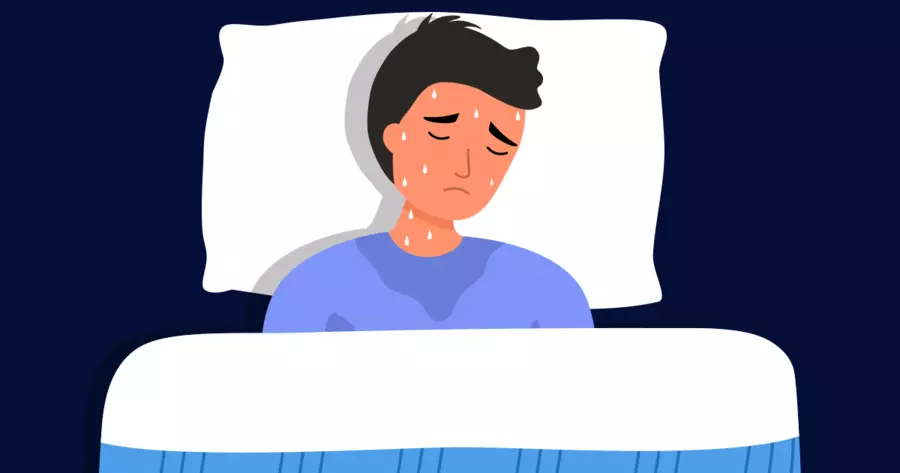
Hot flashes get all the attention, but they are only the most visible signal of something much larger happening in your body. When your ovaries begin winding down — a process that starts years before your last period — the effects ripple outward into your brain, your immune system, and your long-term risk for conditions that have nothing obvious to do with reproduction. Researchers and clinicians are now talking about the 'menospan' as a distinct phase of a woman's life that deserves the same serious longevity planning as any other major health transition. If you are in your 40s or 50s and noticing changes in your memory, mood, energy, or how often you seem to get sick or flare with inflammation, this article is for you. Vitals Vault's at-home lab panels and PocketMD telehealth line can help you put numbers to what you are feeling — but first, let's talk about what is actually going on.
Why this is trending
Gynecologist and menopause specialist Dr. Mary Claire Haver has published a wave of short-form videos this week connecting ovarian aging to brain health and autoimmune vulnerability, and the response has been striking. Women in perimenopause are sharing them widely because the content names experiences — brain fog, new joint pain, sudden anxiety — that they have been told are unrelated to hormones. What is genuinely new here is not the biology itself, which researchers have been building for over a decade, but the translation of that research into plain language that women can act on. Neuroscientists studying estrogen's role in brain metabolism and immunologists tracking autoimmune onset patterns in midlife women are producing findings that are starting to reach the people they affect most. The conversation is catching up to the science.
What Ovarian Aging Actually Is
A process that begins long before menopause
Ovarian aging refers to the gradual decline in both the number of eggs your ovaries hold and the hormones they produce — primarily estrogen and progesterone, but also testosterone and other signaling molecules. This decline typically begins in your late 30s and accelerates through perimenopause, which can last anywhere from two to ten years before your periods stop entirely.
Estrogen is a whole-body signal, not just a reproductive one
Most people think of estrogen as a reproductive hormone, but your brain, immune cells, bones, blood vessels, and gut lining all carry receptors that respond to it. When estrogen levels become erratic and then fall, those systems are all affected — which is why the symptom list for perimenopause is so much longer and stranger than most women expect.
The menospan is a distinct longevity phase
The term 'menospan' captures the idea that the decades following the onset of ovarian decline are not just the absence of fertility — they are a physiologically distinct period that carries its own health risks and opportunities. How well you navigate this transition has real implications for your risk of dementia, cardiovascular disease, and autoimmune conditions in the decades that follow.
Lab testing
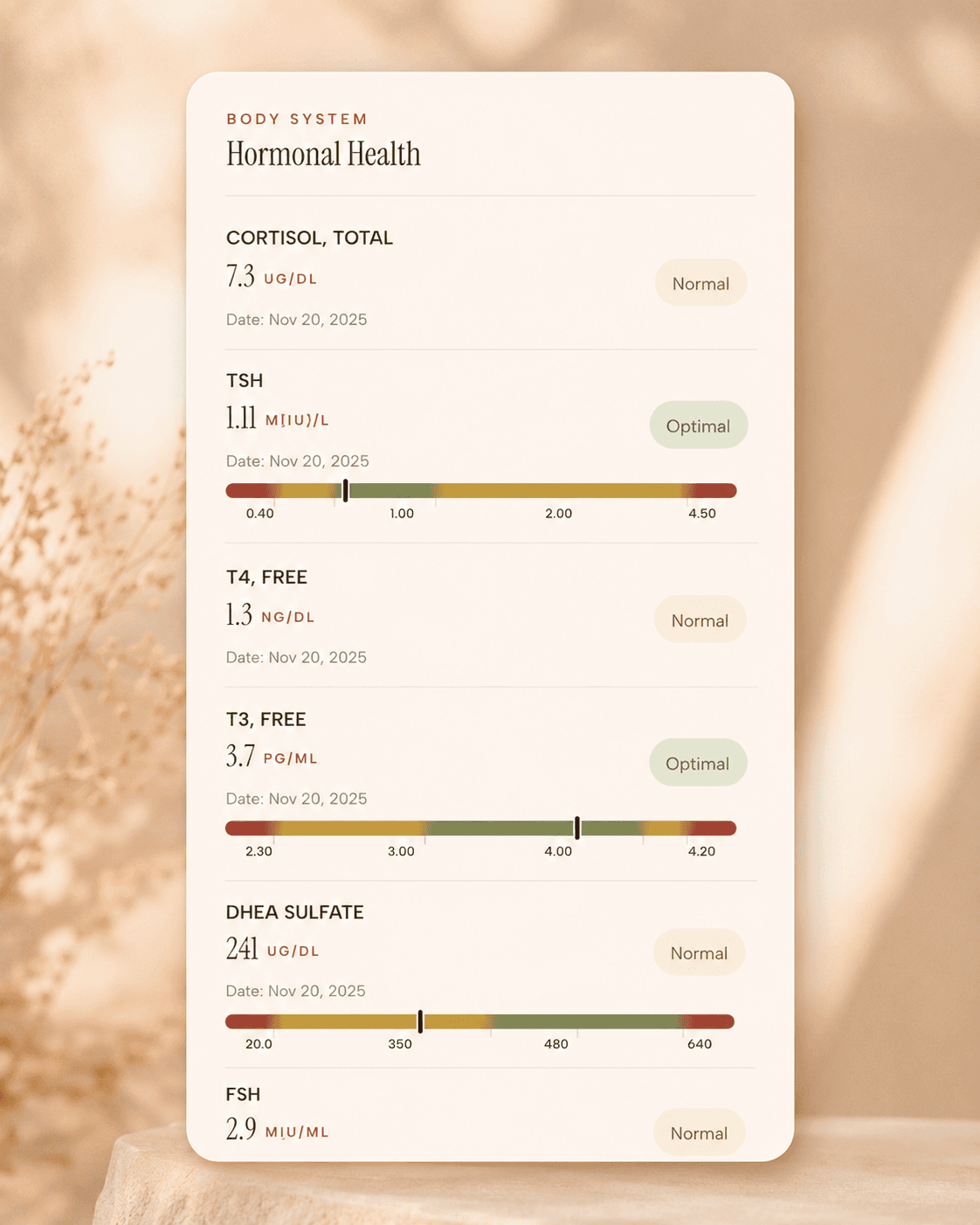
Your estradiol, FSH, thyroid, inflammatory markers, and metabolic panel can tell a detailed story about where you are in ovarian aging. The Vitals Vault starting-from-$99 panel covers 100+ tests in one visit
no referral needed
About 1 week
Schedule online — results typically within a week
Clear next steps
Guidance included, with follow-up care available
HSA / FSA
Eligible for pre-tax health spending accounts
Why This Is Getting Attention Now
Neuroscience is catching up to women's lived experience
Brain imaging studies are now showing that the brain actually undergoes a metabolic transition during perimenopause — the way neurons use glucose for fuel changes, and this shift appears to be driven by falling estrogen. Women who have been told their brain fog or memory lapses are 'just stress' are finding that there is a documented biological mechanism behind what they feel.
Autoimmune diagnoses spike in midlife women
Conditions like rheumatoid arthritis, lupus, thyroid disease, and multiple sclerosis disproportionately affect women, and many of them first appear or worsen in the years around menopause. Researchers are now examining whether the immune-regulating role of estrogen helps explain this timing, since estrogen influences the balance between the immune system's attack mode and its self-tolerance.
The research gap is finally being named publicly
For decades, women's health research focused heavily on reproductive years and largely excluded women from major cardiovascular and brain aging studies. That gap is now being openly acknowledged by researchers and clinicians, and it is driving both new studies and a wave of public education from physicians who want women to have this information before symptoms become crises.
How It Works in Your Body
Your brain runs partly on estrogen
The part of your brain responsible for memory and learning (the hippocampus) is densely packed with estrogen receptors, and estrogen helps neurons communicate efficiently and protects them from damage. When estrogen becomes unpredictable during perimenopause, many women notice that their working memory — the ability to hold several things in mind at once — feels less reliable, and this is not imaginary.
Inflammation rises as ovarian hormones fall
Estrogen has a natural anti-inflammatory effect, partly by regulating the immune cells (called microglia) that patrol your brain and the cytokines that drive systemic inflammation throughout your body. As estrogen declines, this brake on inflammation loosens, which can contribute to joint pain, fatigue, and a heightened immune response that sometimes turns against the body's own tissues.
The gut-hormone-brain axis gets disrupted
Estrogen also shapes the composition of your gut microbiome, and your gut microbiome in turn influences both mood and immune regulation. The disruption of this three-way conversation during ovarian aging may help explain why anxiety, digestive changes, and new food sensitivities so often appear together in perimenopause — they are not separate problems but overlapping signals from the same underlying shift.
Who Should Pay Attention
Women in their late 30s and 40s with unexplained symptoms
If you are experiencing brain fog, new anxiety, disrupted sleep, joint aches, or changes in how your body responds to food or exercise, and your doctor has not found an obvious cause, ovarian aging is worth putting on the table. Perimenopause can begin earlier than most women expect, and symptoms often precede measurable hormone changes on standard lab panels.
Women with a personal or family history of autoimmune disease
If you already have an autoimmune condition or a close relative who does, the hormonal shifts of perimenopause may affect how your immune system behaves — sometimes triggering flares or new diagnoses. Tracking your symptoms alongside your cycle and discussing the timing with a clinician who understands both hormones and autoimmunity can help you stay ahead of changes rather than reacting to them.
Anyone planning for long-term brain health
Research increasingly suggests that the perimenopause window may be a critical period for brain health — a time when the choices you make about sleep, exercise, nutrition, and potentially hormone therapy could influence your dementia risk decades later. You do not have to wait for symptoms to be severe to start thinking about this transition as a longevity issue.
What to Keep in Mind Before Acting on This
The research is promising but still evolving
Much of the neuroscience connecting estrogen to brain aging is based on observational studies and animal models, which means we have strong signals but not yet definitive proof that any specific intervention will protect your brain long-term. This is an honest reason for cautious optimism rather than either dismissal or aggressive self-treatment based on headlines.
Hormone therapy is not one-size-fits-all
Menopausal hormone therapy remains one of the most debated topics in women's health, with real benefits for many women and real contraindications for others depending on personal and family medical history. The decision about whether it is right for you — and in what form and at what dose — belongs in a conversation with a clinician who knows your full picture, not in a social media comment section.
Symptoms that feel hormonal can have other causes
Brain fog, fatigue, joint pain, and mood changes can also be caused by thyroid dysfunction, vitamin deficiencies, sleep apnea, or depression — conditions that are both common in midlife women and frequently underdiagnosed. Getting baseline labs before attributing everything to perimenopause is not just good practice; it can catch something that needs its own treatment.
Frequently Asked Questions
Can ovarian aging really cause brain fog, or is that just stress?
It can genuinely be both, and they are not mutually exclusive. Estrogen supports the way neurons communicate and use energy, so when levels become erratic during perimenopause, many women notice real changes in working memory and mental sharpness. That said, stress, poor sleep, and thyroid issues can produce identical symptoms, which is why it is worth checking labs rather than assuming the cause.
Why do autoimmune conditions so often appear or worsen around menopause?
Estrogen plays a complex role in immune regulation — it helps keep the immune system from attacking the body's own tissues while also supporting its ability to fight infection. When estrogen levels fall and fluctuate during perimenopause, that regulatory balance can shift, and for women who are already genetically predisposed to autoimmune conditions, this may be enough to tip the system toward a flare or a new diagnosis.
What is the menospan and why does it matter for longevity?
The menospan is a way of framing the years of ovarian decline — from perimenopause onward — as a distinct health phase rather than just the end of fertility. It matters because the choices you make during this window, around exercise, nutrition, sleep, stress, and potentially hormone therapy, appear to influence your risk for dementia, heart disease, and bone loss in the decades that follow. Thinking of it as a longevity phase rather than a symptom phase changes what you prioritize.
What lab tests are useful for understanding where I am in ovarian aging?
Estradiol and FSH (follicle-stimulating hormone) are the most direct markers of ovarian function, though they fluctuate significantly during perimenopause and a single reading can be misleading. Thyroid function, inflammatory markers like CRP, vitamin D, and a full metabolic panel round out the picture by ruling out other causes of your symptoms and giving a baseline for tracking changes over time.
Is hormone therapy the only option for protecting brain and immune health during menopause?
No — and for many women it is not an option at all due to medical history. Resistance exercise has strong evidence for supporting brain health and reducing systemic inflammation. Prioritizing sleep, managing blood sugar, and eating an anti-inflammatory diet all appear to matter during this transition. Hormone therapy may amplify those benefits for women who are good candidates, but it is one tool among several, not the only path.