Gut Fermentation Syndrome: Carbs, Ethanol & Your Brain
Yes, your gut can literally brew alcohol from the carbohydrates you eat — and for a small but real group of people, that internal fermentation is strong enough to cause brain fog, fatigue, and a feeling of being tipsy without touching a drink.


Yes, your gut can literally brew alcohol from the carbohydrates you eat — and for a small but real group of people, that internal fermentation is strong enough to cause brain fog, fatigue, and a feeling of being tipsy without touching a drink. This condition, called gut fermentation syndrome (also known as auto-brewery syndrome), is not a social media myth, but it is far rarer and more nuanced than the viral clips suggest. Most people who feel sluggish after a carb-heavy meal are dealing with blood sugar swings or garden-variety digestive issues, not ethanol production. But understanding what drives fermentation in the gut — and what keeps it in check — is genuinely useful for anyone curious about why their digestion feels off. If you want to dig into your own numbers, Vitals Vault's lab panels and PocketMD telehealth line are good places to start that conversation with a real clinician.
Why this is trending
This week, Dr. Gabrielle Lyon released both a full podcast episode and a short-form video on the idea of gut yeast converting every carb you eat into ethanol, and the clips spread quickly because the premise is viscerally alarming. The phrase "auto-brewery syndrome" had already been circulating in functional medicine circles for years, but Lyon's reach brought it to a much wider audience who had never heard of it. What is actually new is not the condition itself — documented case reports go back decades — but the growing research into how gut microbiome imbalances, antibiotic overuse, and high-sugar diets create the conditions where yeast like Candida or Saccharomyces can overgrow and ferment carbohydrates more aggressively than normal. The science is real and worth knowing. The extrapolation that this explains most people's fatigue or brain fog after eating carbs is a significant overreach.
What Gut Fermentation Syndrome Actually Is
Your gut microbiome ferments carbs normally
Every human gut contains bacteria and small amounts of yeast that break down undigested carbohydrates through fermentation, producing short-chain fatty acids, gas, and trace amounts of ethanol as byproducts. Under normal circumstances, the liver clears that ethanol so efficiently that your blood alcohol level never rises high enough to feel anything.
In this syndrome, yeast overgrowth tips the balance
Gut fermentation syndrome occurs when yeast populations — most often Candida species or, in some documented cases, Saccharomyces cerevisiae — grow so numerous that the ethanol they produce overwhelms your liver's ability to clear it quickly. The result is a measurable rise in blood alcohol that can cause symptoms ranging from mild brain fog and fatigue to genuine intoxication, sometimes with a blood alcohol level high enough to trigger a breathalyzer.
It is a real but genuinely rare diagnosis
Fewer than 100 cases have been formally documented in the medical literature, though researchers suspect underdiagnosis because the symptoms are easy to attribute to other causes and most clinicians have never seen a case. Confirming it requires a controlled carbohydrate challenge while monitoring blood alcohol levels in a clinical setting — not a home test or a symptom checklist.
Lab testing
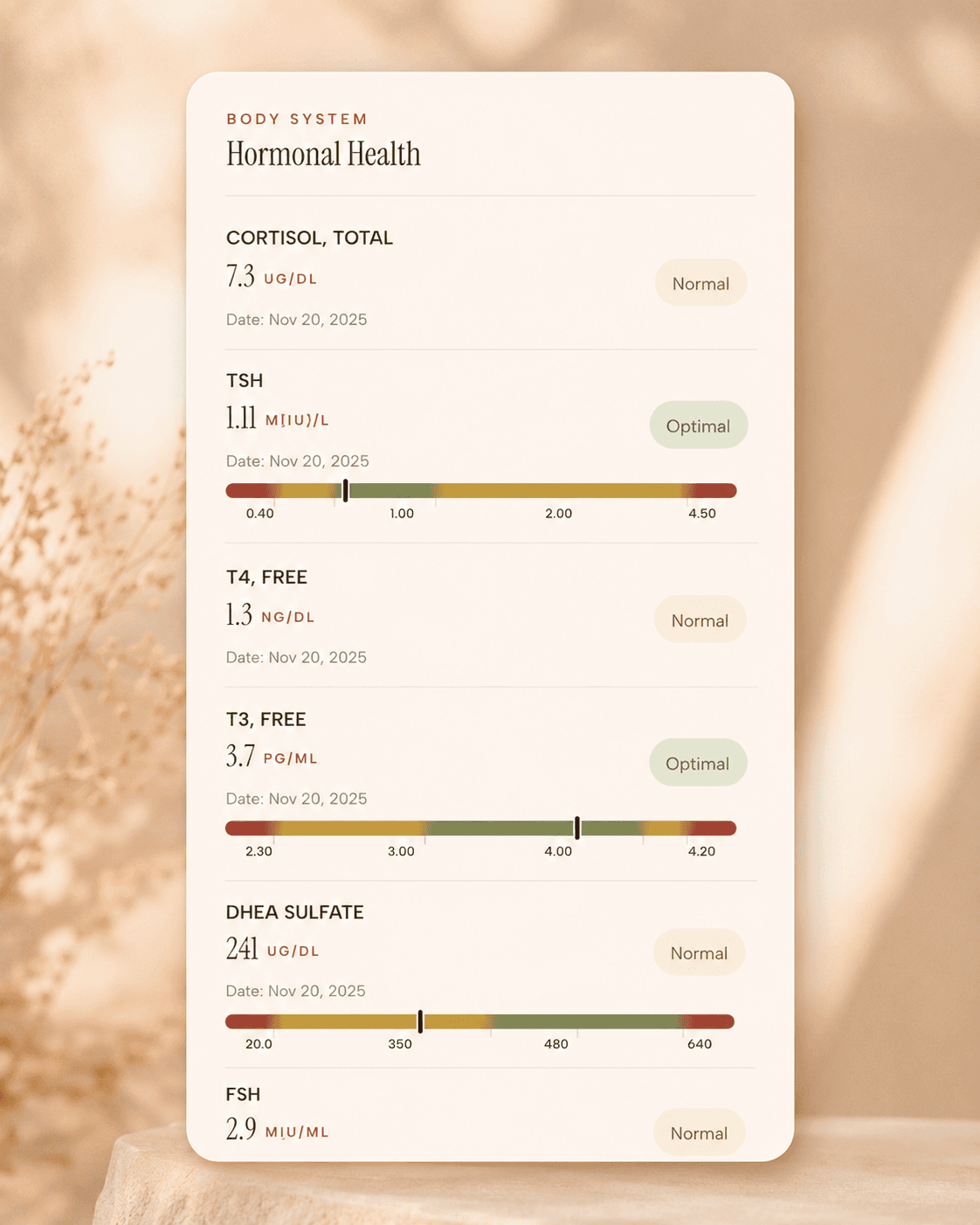
A comprehensive metabolic and liver panel can flag the markers
like elevated liver enzymes or blood glucose patterns
that sometimes accompany gut fermentation issues. Vitals Vault's starting-from-$99 panel covers 100+ tests in one visit, no doctor's order needed
About 1 week
Schedule online — results typically within a week
Clear next steps
Guidance included, with follow-up care available
HSA / FSA
Eligible for pre-tax health spending accounts
Why This Is Suddenly Everywhere
Viral content made a rare condition feel universal
When a trusted clinician with a large platform frames gut yeast as something that brews ethanol from every carb you eat, the framing implies this is happening to everyone who feels tired after pasta. The mechanism is real, but the scale of the claim — that this is a widespread driver of fatigue and brain fog — is not supported by current evidence.
Post-antibiotic gut disruption is a genuine concern
One reason the topic resonates is that antibiotic overuse really does disrupt the bacterial populations that normally keep yeast in check, and more people are aware of that connection than ever before. The concern is legitimate even if gut fermentation syndrome itself is the extreme end of a spectrum most people never reach.
Brain fog after eating is a real and frustrating symptom
Millions of people experience cognitive sluggishness after carb-heavy meals, and they are hungry for an explanation that feels specific and actionable. Gut fermentation syndrome offers a compelling narrative, but for most people the more likely culprits are blood sugar spikes, histamine responses, or general gut dysbiosis rather than measurable ethanol production.
The Biology Behind the Brew
Yeast converts sugars into ethanol through glycolysis
When yeast cells encounter simple sugars — glucose, fructose, or the breakdown products of starch — they run them through a metabolic pathway called glycolysis and then fermentation, producing ethanol and carbon dioxide as the end products. This is the same chemistry behind beer and wine, just happening inside your small intestine rather than a barrel.
Your liver is the first line of defense
The liver processes ethanol using an enzyme called alcohol dehydrogenase, and in healthy people with normal yeast populations this system handles the small amounts produced without any noticeable effect. When yeast overgrowth produces more ethanol than the liver can clear in real time, the excess spills into the bloodstream and crosses into the brain — which is where the foggy, dizzy, or intoxicated feeling comes from.
Dysbiosis sets the stage for overgrowth
The gut microbiome (the vast community of bacteria, fungi, and other microorganisms living in your intestines) normally keeps yeast populations in check through competition for nutrients and space. Prolonged antibiotic use, a diet very high in refined sugar, or conditions that slow gut motility can shift that balance enough to let yeast populations expand dramatically, which is the underlying driver in most documented cases.
What the Research Actually Shows
Case reports confirm the syndrome exists
Published case reports — including a well-known 2013 case in the International Journal of Clinical Medicine — document patients with measurable blood alcohol levels after carbohydrate consumption, with no alcohol intake, whose symptoms resolved after antifungal treatment and dietary change. These cases are compelling proof of concept, but case reports sit at the lower end of the evidence hierarchy.
Controlled studies are small and limited
A 2019 study published in BMJ Open Gastroenterology identified a small cohort of patients with confirmed auto-brewery syndrome and found elevated levels of yeast in their gut cultures, supporting the microbial mechanism. However, the study had fewer than 20 participants, and larger controlled trials establishing prevalence, optimal treatment duration, or long-term outcomes simply do not exist yet.
Antifungal treatment shows promise but is not a cure-all
In documented cases, antifungal medications combined with a low-carbohydrate diet have reduced or eliminated symptoms, and some patients have maintained remission with probiotic support afterward. Relapses are common if dietary changes are not sustained, which suggests the underlying microbiome imbalance is the real target rather than yeast eradication alone.
Most brain fog after carbs has a different explanation
Studies on postprandial cognitive changes — the mental slowdown some people feel after eating — point most consistently to blood glucose variability, inflammatory responses to certain foods, and disrupted sleep quality as the primary drivers. Ethanol production is not implicated in these studies, which means the popular extrapolation from gut fermentation syndrome to everyday carb fatigue is not evidence-based.
What You Need to Know Before Acting on This
Self-diagnosing is genuinely risky here
Because the symptoms — brain fog, fatigue, bloating, mood changes — overlap with dozens of other conditions including thyroid dysfunction, blood sugar dysregulation, and anxiety, treating yourself for gut fermentation syndrome without a proper workup means you could be missing something more serious. A clinician who can order the right tests and rule out other causes is essential before you start antifungal protocols or extreme dietary restriction.
Antifungals are not benign supplements
Prescription antifungal medications like fluconazole can affect liver function and interact with other medications, so they should only be used under medical supervision with appropriate monitoring. Over-the-counter antifungal supplements marketed for "candida cleansing" have very little clinical evidence behind them and are not a substitute for a proper diagnosis and treatment plan.
Extreme carbohydrate restriction carries its own trade-offs
While reducing refined sugar and high-glycemic foods is reasonable for most people and genuinely helpful for gut health, very low-carbohydrate diets can affect energy, mood, thyroid function, and gut microbiome diversity in ways that are not universally beneficial. Any significant dietary overhaul — especially one motivated by a social media trend — is worth discussing with a clinician who knows your full health picture.
Frequently Asked Questions
How do I know if I have gut fermentation syndrome or just normal bloating?
Normal bloating after eating is extremely common and is usually caused by gas production from bacterial fermentation of fiber — not ethanol production from yeast. Gut fermentation syndrome specifically involves symptoms that feel like mild intoxication: dizziness, brain fog, or mood changes that follow carbohydrate intake, sometimes with a detectable blood alcohol level. If you genuinely suspect it, the only reliable way to confirm it is a supervised carbohydrate challenge with blood alcohol monitoring, which your doctor can arrange.
Can a probiotic fix gut fermentation syndrome?
Probiotics that restore bacterial diversity — particularly Lactobacillus and Bifidobacterium strains — may help rebalance the microbiome environment that allows yeast to overgrow, and some clinicians use them as part of a maintenance strategy after antifungal treatment. However, there are no large clinical trials showing that probiotics alone can resolve confirmed gut fermentation syndrome, and they are unlikely to be sufficient without also addressing diet and, in severe cases, antifungal medication.
What foods make gut fermentation syndrome worse?
Foods that feed yeast most directly are refined sugars, high-fructose products, and rapidly digested starches like white bread and sugary drinks, because they provide the glucose and fructose that yeast converts to ethanol most efficiently. Alcohol itself also worsens the condition by adding to the ethanol load and further disrupting the gut lining. Most clinicians managing this condition recommend a low-sugar, lower-refined-carbohydrate diet as a foundational step.
Is feeling drunk after eating always a sign of gut fermentation syndrome?
Not at all — and this is one of the most important things to understand before going down the self-diagnosis path. Reactive hypoglycemia (a blood sugar drop after eating) can cause shakiness, confusion, and a strange dissociated feeling that people sometimes describe as feeling drunk. Anxiety, inner ear issues, and certain medications can produce similar sensations. Gut fermentation syndrome is one possible explanation, but it is far from the most common one.
Can Vitals Vault labs help identify gut fermentation syndrome?
A comprehensive metabolic panel can flag related issues like elevated liver enzymes, blood glucose irregularities, or markers of systemic inflammation that often accompany gut dysbiosis, and those results give a clinician a useful starting point. Confirming gut fermentation syndrome itself requires a specialized carbohydrate challenge with blood alcohol monitoring that goes beyond standard lab panels, so pairing your lab results with a PocketMD consultation is the most practical next step if you have real concerns.