4 Food Types That Repair Your Gut Barrier
Your gut lining is only one cell thick, and the foods you eat every day either reinforce that barrier or quietly erode it — which matters because a compromised barrier lets bacterial fragments and undigested proteins slip into your bloodstream and trigger the kind of low-grade, whole-body inflammation that researchers now link to fatigue, joint pain, skin flares, and metabolic disease.


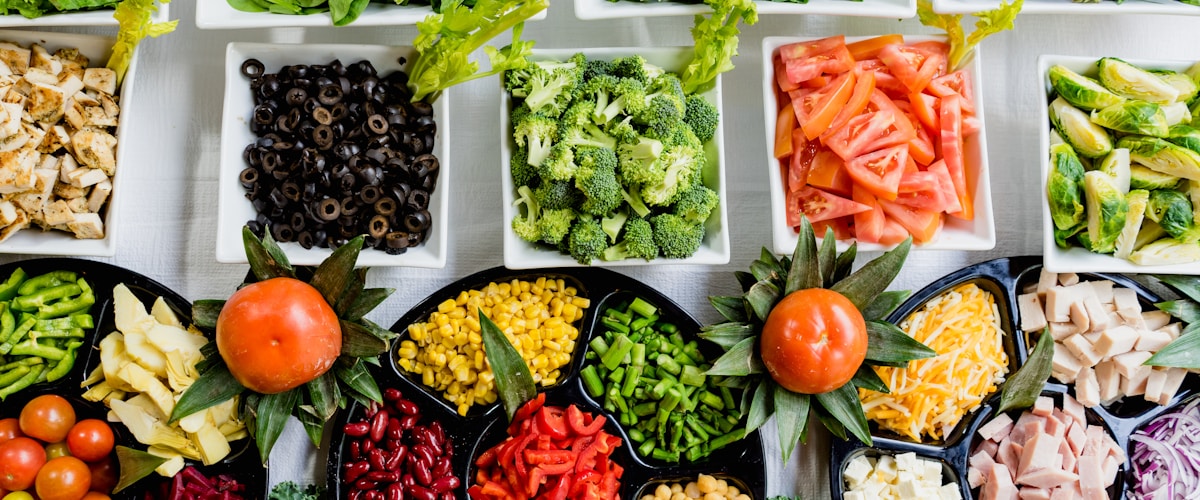
Your gut lining is only one cell thick, and the foods you eat every day either reinforce that barrier or quietly erode it — which matters because a compromised barrier lets bacterial fragments and undigested proteins slip into your bloodstream and trigger the kind of low-grade, whole-body inflammation that researchers now link to fatigue, joint pain, skin flares, and metabolic disease. The four food categories that gastroenterologists prioritize for repairing that lining are fermented foods, prebiotic fibers, polyphenol-rich plants, and omega-3 sources — and the evidence behind them is more specific than the general "eat healthy" advice you have probably heard before. This is not about adding a probiotic capsule and calling it done. It is about understanding which foods actually feed the repair process and why, so you can make choices that compound over weeks rather than just feeling virtuous for a day. If you want to pair this with real numbers, Vitals Vault's at-home lab panels can track the inflammatory markers that shift as your gut heals, and PocketMD is available if you want to talk through your personal situation with a clinician.
Why this is trending
Gastroenterologist Dr. Will Bulsiewicz appeared on two high-profile podcasts in the same week — one with Dr. Rangan Chatterjee and one with Dr. Mark Hyman's team — making a pointed argument that the supplement-first approach to gut health is backwards, and that specific food categories do things no capsule can replicate. His framing landed because it gave people a concrete, food-based framework rather than another product recommendation, and the "fiber maxing" conversation that followed on social media added real momentum to the prebiotic side of the story. What is actually new here is not the individual foods — researchers have studied fermented vegetables and omega-3 fatty acids for decades — but the way clinicians are now connecting gut barrier integrity directly to systemic inflammation markers like C-reactive protein and interleukin-6. That connection is what makes this more than a wellness trend. It is a mechanistic story with measurable endpoints, which is why it is worth taking seriously even if some of the social media version has been oversimplified.
What gut barrier repair actually means
Your gut lining is a living, dynamic structure
The inner surface of your intestine is lined by a single layer of cells held together by proteins called tight junctions, and those junctions act like a selective gate — letting nutrients through while keeping bacteria and toxins out. When the gate loosens, a condition researchers call increased intestinal permeability [leaky gut], inflammatory signals start firing in tissues far from your digestive tract.
Inflammation is often the downstream symptom
When bacterial fragments called lipopolysaccharides [LPS] cross a compromised gut lining and enter your bloodstream, your immune system treats them as an invasion and mounts a response that can become chronic if the leakage continues. That persistent low-grade inflammation is now being studied as a contributing factor in conditions ranging from insulin resistance to depression, which is why repairing the barrier matters beyond just digestive comfort.
Food is the primary input your gut lining works with
The cells lining your gut turn over every three to five days, which means what you eat is literally the raw material for rebuilding that barrier on a near-constant basis. Certain food categories provide the specific compounds — short-chain fatty acids, polyphenols, omega-3 fats — that signal those cells to stay tightly connected and keep inflammation in check.
Lab testing
Track the inflammation markers tied to gut barrier health
including CRP, interleukin-6, and metabolic indicators
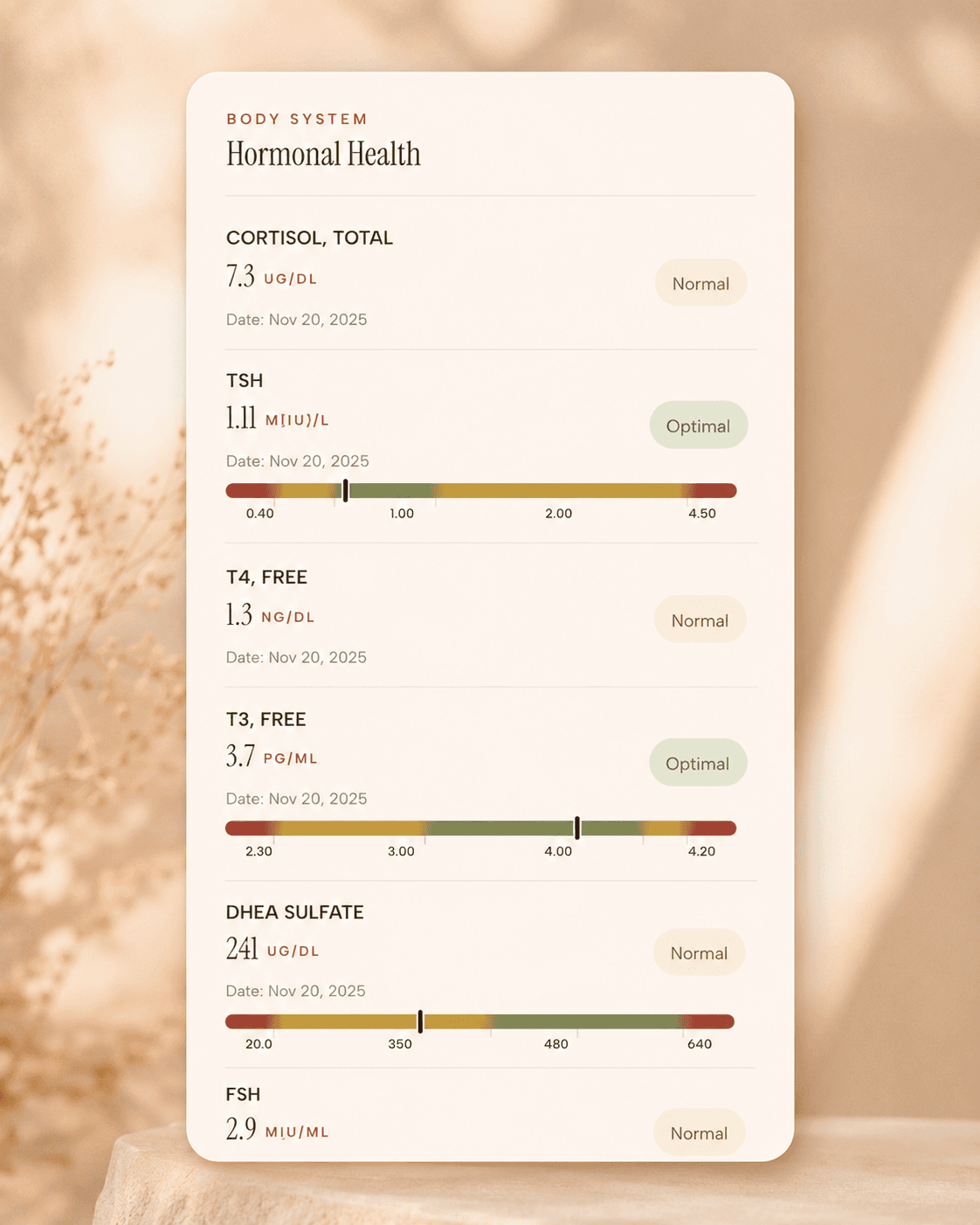
with Vitals Vault's starting-from-$99 panel covering 100+ tests, one visit, no referral needed
About 1 week
Schedule online — results typically within a week
Clear next steps
Guidance included, with follow-up care available
HSA / FSA
Eligible for pre-tax health spending accounts
Why this conversation is happening right now
Clinicians are moving past the probiotic-only story
For years the gut health conversation was dominated by probiotic supplements, but gastroenterologists like Dr. Bulsiewicz are now publicly making the case that probiotics alone cannot rebuild a damaged barrier because they do not address what the barrier cells actually need to function. That shift from supplement-first to food-first is resonating with people who have tried probiotic capsules without seeing meaningful results.
Fiber maxing brought prebiotic science to a wider audience
The "fiber maxing" trend — deliberately eating a wide variety of high-fiber plant foods to diversify gut bacteria — took off on social media after several high-profile episodes framed it as a practical daily strategy rather than a medical intervention. The underlying science is real, though the social media version sometimes overstates how quickly results appear.
Inflammation markers are now accessible outside a doctor's office
As at-home and direct-to-consumer lab testing has expanded, more people are actually seeing their C-reactive protein or metabolic panel results and asking what diet changes could move those numbers. That data-driven curiosity is pushing the conversation toward specific, mechanistic answers rather than general wellness advice.
How each food category repairs the barrier
Fermented foods feed your existing microbial community
Foods like yogurt, kefir, kimchi, sauerkraut, and miso introduce live microorganisms that compete with harmful bacteria and produce compounds that directly support tight junction proteins. A 2021 Stanford trial published in Cell found that a high-fermented-food diet increased microbiome diversity and reduced 19 inflammatory proteins over ten weeks — a result that a high-fiber diet alone did not replicate in the same timeframe, which surprised the researchers.
Prebiotic fibers produce the fuel your gut lining runs on
When bacteria in your colon ferment prebiotic fibers — found in foods like garlic, onions, leeks, oats, and slightly underripe bananas — they produce short-chain fatty acids, especially one called butyrate, which is the primary energy source for the cells lining your colon and a direct signal for those cells to maintain tight junctions. Without enough prebiotic fiber, butyrate production drops and the barrier literally starts to thin, a process that happens faster than most people realize.
Polyphenols act as both antioxidants and microbiome modulators
Polyphenols are the pigment compounds in deeply colored plants — berries, dark chocolate, green tea, extra-virgin olive oil, red cabbage — and they do something interesting: most of them are not absorbed in the small intestine, so they travel to the colon where gut bacteria convert them into smaller anti-inflammatory molecules that then enter the bloodstream. This means the benefit depends on having a diverse microbiome to do the conversion, which is one reason the four food categories work better together than any one of them does alone.
Omega-3 fatty acids reduce the inflammatory signaling at the barrier
The long-chain omega-3 fats found in fatty fish like salmon, sardines, and mackerel — as well as in smaller amounts in walnuts and flaxseed — are incorporated into the membranes of your gut lining cells and shift the balance of signaling molecules away from pro-inflammatory prostaglandins toward anti-inflammatory resolvins. This does not happen overnight; consistent intake over several weeks is what research shows produces measurable changes in inflammatory markers.
How to actually build this into your eating
Start with variety, not volume
Research from the American Gut Project found that people who ate 30 or more different plant foods per week had significantly more diverse gut microbiomes than those eating fewer than 10, and diversity is the foundation everything else builds on. You do not need to overhaul your diet on day one — adding two or three new plant foods each week, rotating your grains, and swapping one processed snack for a handful of walnuts or berries gets you there gradually without the digestive discomfort that comes from dramatically increasing fiber too fast.
Add one fermented food daily rather than supplementing
A small serving of a live-culture fermented food — even just two tablespoons of kimchi stirred into a grain bowl, or a cup of plain kefir in the morning — provides a consistent microbial input that supplements often cannot match for diversity. Keeping a simple log of when you eat fermented foods and how your digestion feels in the hours after can help you identify which formats your body responds to best.
Pair fatty fish with colorful vegetables for compounding benefit
Because omega-3s and polyphenols work through complementary pathways — one reducing inflammatory signaling in cell membranes, the other modulating it through microbial conversion — eating them together in the same meal is a practical way to get both effects without adding complexity to your day. A simple template is two to three servings of fatty fish per week alongside meals that already feature deeply colored vegetables, which most people find easier to sustain than tracking individual nutrients.
What to know before you go all in
Ramping up fiber too fast causes real discomfort
If your current diet is low in fiber and you suddenly add large amounts of prebiotic-rich foods, the bacteria fermenting that fiber will produce more gas than your system is used to, leading to bloating, cramping, and sometimes loose stools. Going slowly — adding one new high-fiber food every few days and drinking more water alongside it — lets your microbiome adapt and makes the transition sustainable rather than something you abandon after a week.
Fermented foods are not right for everyone in every situation
People with small intestinal bacterial overgrowth [SIBO], histamine intolerance, or certain immune conditions may find that fermented foods worsen their symptoms rather than helping, because the additional microbial load or histamine content can be more than their system can handle at that stage. If you have an existing digestive diagnosis or notice that fermented foods consistently make you feel worse, that is worth discussing with a gastroenterologist before continuing.
Food changes support the barrier but do not replace medical treatment
The evidence for these food categories is genuinely promising, but it is evidence for support and prevention — not for treating diagnosed inflammatory bowel disease, celiac disease, or other structural gut conditions that require medical management. If your symptoms include significant pain, blood in stool, unintentional weight loss, or persistent diarrhea, those need clinical evaluation first, and dietary changes should happen alongside that care, not instead of it.
Frequently Asked Questions
How long does it take to repair a leaky gut with food?
Most research shows measurable changes in gut microbiome composition within two to four weeks of consistent dietary shifts, but meaningful improvements in inflammatory markers typically take eight to twelve weeks of sustained change. The gut lining itself turns over every three to five days, so the structural repair can begin quickly — but the microbial environment that supports it takes longer to stabilize, which is why consistency matters more than intensity.
Is leaky gut a real medical diagnosis?
Increased intestinal permeability is a real, measurable phenomenon that researchers study using specific tests, but "leaky gut" as a standalone diagnosis is not recognized in standard clinical guidelines the way conditions like Crohn's disease or celiac disease are. That does not mean the concept is wrong — it means it is more accurately understood as a mechanism that contributes to other conditions rather than a diagnosis in itself, and the food strategies for addressing it are grounded in legitimate science.
Do I need to take probiotic supplements if I eat fermented foods?
For most people eating a varied diet that includes regular servings of live-culture fermented foods, probiotic supplements add relatively little on top of what food already provides — and food sources tend to deliver a broader range of bacterial strains than most capsules contain. Supplements may be worth considering in specific situations, such as after a course of antibiotics or when traveling, but they are not a substitute for the dietary foundation that fermented foods and prebiotic fibers build.
What are the best prebiotic foods for gut barrier repair?
Garlic, onions, leeks, asparagus, Jerusalem artichokes, oats, and slightly underripe bananas are among the richest sources of the specific fibers — inulin and fructooligosaccharides — that gut bacteria ferment into butyrate, the compound most directly linked to barrier integrity. Variety matters as much as quantity, because different fiber types feed different bacterial species, and a diverse bacterial community produces a more stable and resilient barrier than one dominated by a single strain.
Can I track whether my gut health is actually improving?
You can track subjective changes — energy, bloating, bowel regularity, skin clarity — but objective markers give you a clearer picture of what is happening systemically. C-reactive protein is the most commonly used inflammatory marker in standard panels, and fasting insulin and triglycerides also tend to shift as gut health and metabolic function improve. Vitals Vault's lab panels include these markers and can give you a baseline to measure against as you make dietary changes.