Anti-Inflammatory Diet for Perimenopause: A Real Guide
Yes, what you eat genuinely affects how hard perimenopause hits you — and the reason comes down to inflammation.



Yes, what you eat genuinely affects how hard perimenopause hits you — and the reason comes down to inflammation. As estrogen levels start their erratic decline in your 40s, your body loses one of its most powerful natural anti-inflammatory signals, which means the same diet that felt fine at 35 can now fuel joint pain, brain fog, mood swings, and disrupted sleep in ways it simply didn't before. This guide goes beyond the usual "eat more salmon" advice to explain what is actually happening in your body during the menopause transition and which specific food choices move the needle most. If you want to talk through your symptoms or get baseline labs to see where your inflammation markers actually stand, Vitals Vault's PocketMD line and at-home lab panels are a practical starting point.
Why this is trending
Dr. Mary Claire Haver, an OB-GYN who has become one of the most-followed voices on perimenopause, released a wave of short-form content this week connecting anti-inflammatory eating to mood, brain fog, and the broader menopause care gap — and the response from women in their 40s has been enormous. At the same time, functional medicine physician Mark Hyman has been making the case that inflammation is not something to eliminate entirely but something to regulate, which reframes the conversation in a useful way. What is actually new here is not the idea that diet affects inflammation — that has been established for decades. What is new is the growing clinical recognition that perimenopause creates a specific inflammatory window that standard dietary advice was never designed to address, and that women in this transition have been underserved by both their doctors and the wellness industry.
What an anti-inflammatory diet actually means in perimenopause
It is a pattern, not a list of superfoods
An anti-inflammatory diet is not about eating a specific food every day — it is about the overall pattern of what you eat across weeks and months. The Mediterranean and MIND dietary patterns are the most studied versions, and both emphasize vegetables, legumes, whole grains, fatty fish, and olive oil while minimizing ultra-processed foods, refined sugar, and industrial seed oils.
Perimenopause changes your inflammatory baseline
Estrogen has a direct anti-inflammatory effect in the body, partly by regulating a key inflammatory signaling molecule called NF-kB. When estrogen starts fluctuating and declining in your 40s, that protective brake loosens, which means your immune system becomes more reactive to the same dietary triggers that never bothered you before.
Inflammation here is not just about physical pain
When people hear inflammation they often picture a swollen joint, but in perimenopause the more disruptive effects tend to be neurological — brain fog, low mood, anxiety, and disrupted sleep are all linked to elevated inflammatory signaling in the brain. Food choices that reduce systemic inflammation can therefore affect how you think and feel, not just how your body physically aches.
Lab testing
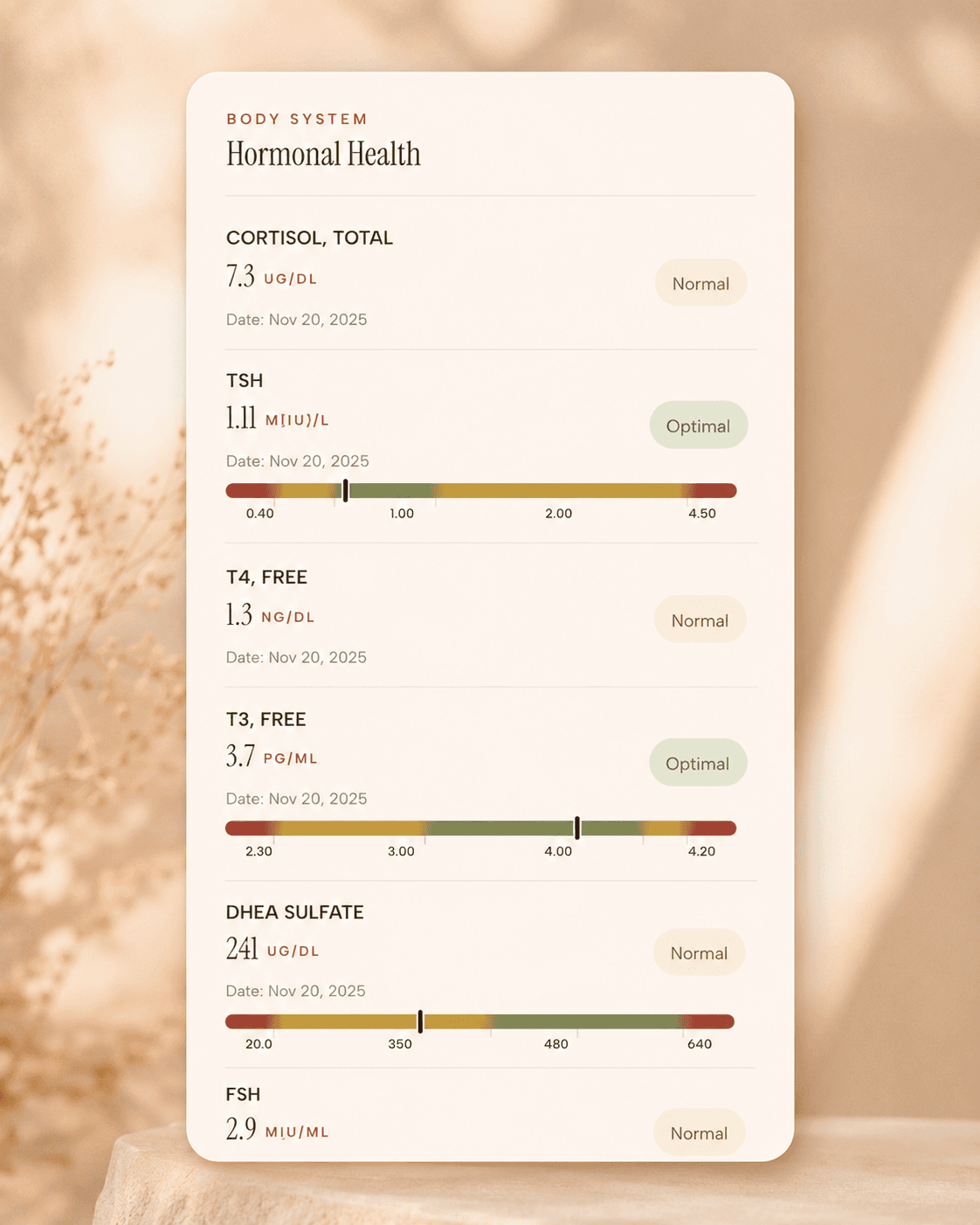
Check your CRP, fasting insulin, and full hormone panel with the Vitals Vault starting-from-$99 panel covering 100+ tests, one visit
so you know your actual numbers before making big dietary changes
About 1 week
Schedule online — results typically within a week
Clear next steps
Guidance included, with follow-up care available
HSA / FSA
Eligible for pre-tax health spending accounts
Why this conversation is happening right now
Women in their 40s are demanding real answers
For decades, perimenopause symptoms were minimized or attributed to stress, and many women were sent home without useful guidance. The current wave of clinician-led social media content — particularly from OB-GYNs speaking directly to women about hormones and nutrition — is filling a gap that the traditional healthcare system left wide open.
The mental health angle is finally getting attention
New data and clinician commentary are connecting the inflammatory surge of perimenopause to depression, rage, and anxiety in ways that go beyond "it's just hormones." Understanding that brain inflammation is a real physiological mechanism — not a personality problem — is changing how women approach both diet and medical care during this transition.
Inflammation regulation is replacing inflammation elimination
The framing is shifting from "avoid all inflammatory foods" to understanding that inflammation is a necessary biological process that needs to be regulated, not eradicated. This more nuanced view makes dietary guidance more practical and less fear-based, which is why it is resonating with a broader audience right now.
What is actually happening in your body
Estrogen loss disrupts your gut lining too
Estrogen helps maintain the integrity of the gut lining, and as levels drop, the barrier can become more permeable — sometimes called leaky gut — which allows bacterial fragments to enter the bloodstream and trigger a low-grade immune response. This is one reason that digestive symptoms and systemic inflammation often worsen together during perimenopause, and why gut-supportive foods like fermented vegetables and fiber-rich legumes matter more than they did in your 30s.
Blood sugar swings amplify the inflammatory signal
Estrogen also helps your cells respond to insulin, so as it declines, blood sugar regulation becomes less efficient even if your weight has not changed. Repeated blood sugar spikes — from refined carbohydrates, sugary drinks, or skipping meals — trigger inflammatory cytokines, which then worsen the hormonal symptoms you are already experiencing. Stabilizing blood sugar through protein, fiber, and fat at each meal is one of the highest-leverage moves you can make.
Omega-3 fats directly counter the inflammatory cascade
Omega-3 fatty acids, found in fatty fish like salmon and sardines as well as in walnuts and flaxseed, are converted in your body into compounds called resolvins and protectins that actively resolve inflammation rather than just suppressing it. Research in perimenopausal women specifically links higher omega-3 intake to lower levels of C-reactive protein (CRP), which is the most commonly tested marker of systemic inflammation.
What to actually eat — and what to pull back on
Build every meal around protein and fiber first
Before you think about which specific anti-inflammatory foods to add, the most impactful structural change is making sure every meal has adequate protein — roughly 25 to 40 grams — and a meaningful amount of fiber from vegetables, legumes, or whole grains. This combination slows glucose absorption, feeds beneficial gut bacteria, and keeps you full long enough to avoid the blood sugar crashes that trigger inflammatory eating patterns later in the day.
Add fatty fish twice a week and color every day
Two servings of fatty fish per week — salmon, mackerel, sardines, or trout — provides a meaningful omega-3 dose that most women in perimenopause are not getting. Beyond that, eating a wide variety of deeply colored vegetables and berries each day delivers polyphenols, which are plant compounds that reduce oxidative stress and support the gut microbiome in ways that directly lower inflammatory markers.
Pull back on ultra-processed foods and alcohol, not all carbs
The biggest dietary drivers of inflammation in perimenopause are ultra-processed foods — packaged snacks, fast food, refined seed oils — and alcohol, which disrupts sleep architecture and raises cortisol in ways that compound hormonal inflammation. Whole-food carbohydrates like oats, sweet potatoes, and lentils are not the problem and should not be eliminated, because they provide the fiber your gut bacteria need to produce anti-inflammatory short-chain fatty acids.
What to watch out for and where this approach has limits
Diet alone may not be enough for significant symptoms
Anti-inflammatory eating is a powerful supportive tool, but it is not a substitute for medical evaluation if your symptoms are significantly affecting your quality of life. Severe mood changes, debilitating hot flashes, or sleep disruption that is not improving with lifestyle changes deserve a conversation with a clinician who understands perimenopause — because hormone therapy, when appropriate, addresses the root cause in ways that food cannot fully replicate.
Some symptoms that feel like inflammation have other causes
Fatigue, brain fog, and mood changes during perimenopause can also be caused by thyroid dysfunction, iron deficiency, or vitamin D deficiency — none of which an anti-inflammatory diet will fix on its own. Getting baseline labs before making major dietary overhauls helps you understand whether you are addressing the right problem.
Restrictive eating can backfire hormonally
Aggressive calorie restriction or elimination diets — which are often marketed to perimenopausal women as detoxes or resets — can raise cortisol, disrupt the gut microbiome, and worsen hormonal imbalance rather than improve it. The goal is an abundant, varied, whole-food pattern, not a punishing one.
Frequently Asked Questions
Can an anti-inflammatory diet reduce hot flashes?
The evidence here is promising but not definitive. Some studies show that women following Mediterranean-style diets report fewer and less severe hot flashes, likely because lower systemic inflammation reduces the sensitivity of the temperature-regulating part of the brain (hypothalamus) to estrogen fluctuations. It is unlikely to eliminate hot flashes entirely, but it may make them more manageable alongside other interventions.
What foods make perimenopause inflammation worse?
Ultra-processed foods, sugary drinks, refined carbohydrates, and alcohol are the most consistent dietary drivers of inflammation during perimenopause. Alcohol is particularly worth reconsidering because it disrupts sleep, raises cortisol, and interferes with the liver's ability to metabolize hormones — all of which compound the hormonal disruption you are already experiencing.
How long does it take to feel a difference from eating anti-inflammatory foods?
Most women notice meaningful changes in energy, bloating, and mood within two to four weeks of consistently shifting their eating pattern — though joint pain and brain fog can take six to eight weeks to respond. The key word is consistently: a few good days surrounded by high-sugar, high-processed-food eating will not move your inflammatory markers.
Do I need supplements, or can I get everything from food?
For most women, a well-structured whole-food diet covers the majority of anti-inflammatory needs, but vitamin D and omega-3s are two areas where food alone often falls short — especially if you do not eat fatty fish regularly and live in a low-sunlight region. Getting your vitamin D and omega-3 index tested before supplementing tells you whether you actually have a gap, rather than guessing.
Is an anti-inflammatory diet the same as a low-carb or keto diet?
No, and conflating them can actually work against you. The most evidence-backed anti-inflammatory patterns for women in perimenopause — Mediterranean and MIND diets — include whole-food carbohydrates like legumes, whole grains, and fruit, which feed the gut bacteria that produce anti-inflammatory compounds. Very low-carb diets can raise cortisol in some women and may not be the right fit during a period when your stress hormone system is already under pressure.