Vitals Vault
LabsTreatmentsPocketMDHow it worksGift
Log inChoose your panel

120 to 160+ lab tests, explained.

Every biomarker in our panels, grouped by body system. See which plan includes it, then open any marker for optimal ranges, high vs. low causes and what to do next.
Essential
120+
$99
Advanced
140+
$199
Max
160+
$399
Choose your panelBrowse all markers
Sample results
  • Heart health12 markers84Optimal
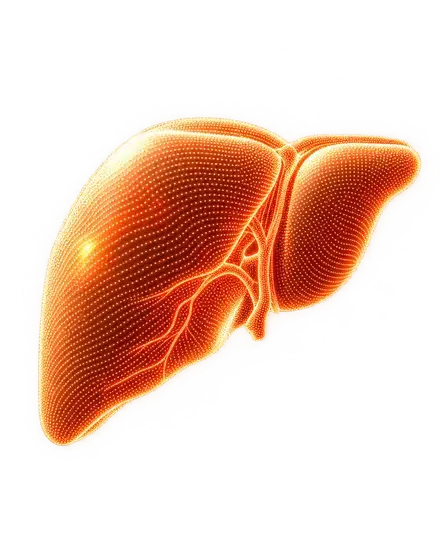
  • Liver health9 markers78Normal
  • Blood sugar6 markers64Monitor
  • Kidney health8 markers91Optimal
  • Thyroid7 markers72Normal
  • Blood health14 markers88Optimal
  • One draw at any Quest location
  • Optimal ranges, not just lab ranges
  • Functional health report

160+ biomarkers in Max

Hormonal Health20Nutrients Vitamins & Minerals12Inflammation & Immunity11Heart Health17Energy & Metabolism15Kidney Health11Blood Health33Liver Health13Urine26Pancreas Health2

Hormonal Health

20 biomarkers

Hormonal Health guide
  • Testosterone, Total, MSTestosterone is essential for male health, influencing everything from physical strength to mental clarity.In Essential, Advanced and MaxIn Essential, Advanced and Max
  • Testosterone, FreePercent Free Testosterone indicates the proportion of total testosterone that circulates unbound to proteins, representing the most biologically active fraction.In Essential, Advanced and MaxIn Essential, Advanced and Max
  • TSHTSH acts as the thyroid's control center, regulating metabolism, energy production, and numerous body functions.In Essential, Advanced and MaxIn Essential, Advanced and Max
  • T3 UptakeT3 Uptake (T3RU) is an indirect measure of thyroid-binding protein levels in blood.In Essential, Advanced and MaxIn Essential, Advanced and Max
  • Free T4 Index (T7)The Free Thyroxine Index (FTI or T7) estimates free T4 by multiplying total T4 by T3 uptake, correcting for binding protein variations.In Essential, Advanced and MaxIn Essential, Advanced and Max
  • % Testosterone FreePercent Free Testosterone indicates the proportion of total testosterone that circulates unbound to proteins, representing the most biologically active fraction.In Essential, Advanced and MaxIn Essential, Advanced and Max
  • Testosterone/CRP RatioThe Testosterone to CRP ratio combines hormonal status with inflammatory markers, providing insight into the relationship between androgen levels and systemic inflammation.In Essential, Advanced and MaxIn Essential, Advanced and Max
  • EstradiolBalanced estradiol levels in men support bone health and cognitive function, but excess estradiol can suppress testosterone and cause unwanted feminizing effects.In Advanced and MaxIn Advanced and Max
  • Sex Hormone Binding GlobulinSex Hormone Binding Globulin (SHBG) is a protein produced by the liver that binds to sex hormones (testosterone, estrogen, and DHT), regulating their availability to tissues throughout the body.In Advanced and MaxIn Advanced and Max
  • % Testosterone BioavailableBioavailable Testosterone includes both free testosterone and albumin-bound testosterone, representing the fraction that can readily enter tissues and exert biological effects.In Advanced and MaxIn Advanced and Max
  • Testosterone BioavailableBioavailable Testosterone includes both free testosterone and albumin-bound testosterone, representing the fraction that can readily enter tissues and exert biological effects.In Advanced and MaxIn Advanced and Max
  • Testosterone/ApoB RatioThe Testosterone to Apolipoprotein B ratio combines hormonal status with cardiovascular risk markers, reflecting metabolic and cardiometabolic health.In Advanced and MaxIn Advanced and Max
  • Testosterone/Estradiol (T:E2)The Testosterone to Estradiol ratio reflects hormonal balance between androgens and estrogens, important for both men and women's health.In Advanced and MaxIn Advanced and Max
  • Cortisol, TotalCortisol orchestrates the body's stress response and daily energy rhythms.Max onlyMax only
  • ProgesteroneProgesterone in men supports neurological health, sleep quality, and serves as a building block for other hormones.Max onlyMax only
  • DHEA SulfateDHEA-Sulfate (DHEA-S) is a hormone produced by the adrenal glands that serves as a precursor to sex hormones (testosterone and estrogen).Max onlyMax only
  • IGF-1, LC/MSInsulin-like Growth Factor 1 (IGF-1) is a hormone primarily produced by the liver in response to growth hormone (GH) stimulation.Max onlyMax only
  • Z Score (Female)*The IGF-1 Z-Score represents how many standard deviations an individual's IGF-1 level is from the age and sex-adjusted mean.Max onlyMax only
  • Z Score (Male)*The IGF-1 Z-Score represents how many standard deviations an individual's IGF-1 level is from the age and sex-adjusted mean.Max onlyMax only
  • Cortisol:DHEA-S RatioThe Cortisol to DHEA-S ratio reflects the balance between stress hormones (cortisol) and anabolic/protective hormones (DHEA-S), indicating adrenal function and stress adaptation.Max onlyMax only

*Included, but may only be shown when detected or clinically meaningful. If anything needs attention, it will appear in your report.
Nutrients Vitamins & Minerals

12 biomarkers

Nutrients Vitamins & Minerals guide
  • Iron Binding CapacityTotal Iron Binding Capacity (TIBC) measures the blood's capacity to bind iron with transferrin, the main iron transport protein.In Essential, Advanced and MaxIn Essential, Advanced and Max
  • FerritinFerritin serves as the body's iron storage system and early indicator of iron status.In Essential, Advanced and MaxIn Essential, Advanced and Max
  • Iron, TotalSerum iron reflects the iron currently available for transport and utilization.In Essential, Advanced and MaxIn Essential, Advanced and Max
  • CalciumCalcium is fundamental for bone health, muscle function, and nerve transmission, with levels tightly regulated by parathyroid hormones.In Essential, Advanced and MaxIn Essential, Advanced and Max
  • Vitamin D, 25-OH, TotalTotal 25(OH)D is the gold standard for assessing vitamin D status, crucial for immune function, bone health, and longevity.In Essential, Advanced and MaxIn Essential, Advanced and Max
  • % SaturationTransferrin Saturation (% Saturation) indicates what proportion of iron-binding sites on transferrin are occupied by iron.In Essential, Advanced and MaxIn Essential, Advanced and Max
  • Calcium:Albumin RatioThe Calcium to Albumin ratio helps interpret calcium levels by accounting for albumin-bound calcium, providing a more accurate assessment of calcium status.In Essential, Advanced and MaxIn Essential, Advanced and Max
  • Ferritin-to-Albumin Ratio (FAR)The Ferritin-to-Albumin Ratio (FAR) is a marker that combines iron storage status with nutritional/inflammatory assessment.In Essential, Advanced and MaxIn Essential, Advanced and Max
  • Folate, SerumFolate supports DNA synthesis, cardiovascular health, and optimal methylation.In Advanced and MaxIn Advanced and Max
  • Vitamin B12Vitamin B12 is essential for neurological function, energy production, and DNA synthesis.In Advanced and MaxIn Advanced and Max
  • Magnesium, RBCRBC magnesium provides accurate assessment of intracellular magnesium status, crucial for energy production, cardiovascular health, and optimal enzymatic function.Max onlyMax only
  • ZincZinc is an essential trace mineral involved in over 300 enzymatic reactions in the body.Max onlyMax only

Inflammation & Immunity

11 biomarkers

Inflammation & Immunity guide
  • hs-CRPhs-CRP reveals hidden inflammation that drives chronic disease.In Essential, Advanced and MaxIn Essential, Advanced and Max
  • Sed Rate by Modified WestergrenESR measures systemic inflammation and serves as a valuable screening tool for inflammatory conditions and monitoring treatment response.In Essential, Advanced and MaxIn Essential, Advanced and Max
  • CRP/Albumin Ratio (Car)The C-Reactive Protein to Albumin Ratio (CAR) combines inflammatory (CRP) and nutritional (albumin) markers to assess overall inflammatory-nutritional status.In Essential, Advanced and MaxIn Essential, Advanced and Max
  • Ferritin/CRP RatioThe Ferritin to CRP ratio helps distinguish between iron deficiency and inflammation-related ferritin elevation, since ferritin is an acute phase reactant.In Essential, Advanced and MaxIn Essential, Advanced and Max
  • Lymphocyte-to-Monocyte Ratio (Lmr)The Lymphocyte-to-Monocyte Ratio (LMR) reflects immune system balance and has prognostic value in various diseases, particularly cancer and cardiovascular disease.In Essential, Advanced and MaxIn Essential, Advanced and Max
  • Monocyte-to-Lymphocyte Ratio (Mlr)The Monocyte-to-Lymphocyte Ratio (MLR) is an inflammatory marker that reflects the balance between innate (monocyte) and adaptive (lymphocyte) immune responses.In Essential, Advanced and MaxIn Essential, Advanced and Max
  • Neutrophil-to-Lymphocyte & Platelet Ratio (Nlpr)NLPR combines neutrophil count, lymphocyte count, and platelet count to create a comprehensive inflammatory and thrombotic index.In Essential, Advanced and MaxIn Essential, Advanced and Max
  • Nlr (Neutrophil:LymphocyteThe Neutrophil-to-Lymphocyte Ratio (NLR) is a simple, cost-effective marker of systemic inflammation and immune function.In Essential, Advanced and MaxIn Essential, Advanced and Max
  • Plr (Platelet:Lymphocyte)The Platelet-to-Lymphocyte Ratio (PLR) is an inflammatory marker that reflects the balance between platelet activation (thrombotic potential) and lymphocyte count (immune surveillance).In Essential, Advanced and MaxIn Essential, Advanced and Max
  • Systemic Immune-Inflammation Index (Sii)The Systemic Immune-Inflammation Index (SII) combines platelet, neutrophil, and lymphocyte counts to provide a comprehensive assessment of immune-inflammatory status.In Essential, Advanced and MaxIn Essential, Advanced and Max
  • Systemic Inflammation Response Index (Siri)The Systemic Inflammation Response Index (SIRI) combines neutrophil, monocyte, and lymphocyte counts to assess systemic inflammation and immune function.In Essential, Advanced and MaxIn Essential, Advanced and Max

Heart Health

17 biomarkers

Heart Health guide
  • Non HDL CholesterolNon-HDL Cholesterol represents all atherogenic cholesterol-containing lipoproteins (LDL, VLDL, IDL, Lp(a)) by subtracting HDL from total cholesterol.In Essential, Advanced and MaxIn Essential, Advanced and Max
  • HDL CholesterolHDL cholesterol serves as a protective factor against cardiovascular disease through reverse cholesterol transport and anti-inflammatory effects.In Essential, Advanced and MaxIn Essential, Advanced and Max
  • LDL CholesterolCalculated LDL Cholesterol uses the Friedewald equation to estimate LDL from total cholesterol, HDL cholesterol, and triglycerides.In Essential, Advanced and MaxIn Essential, Advanced and Max
  • TriglyceridesTriglycerides serve as a dynamic marker of carbohydrate metabolism and insulin sensitivity, responding rapidly to dietary and lifestyle interventions.In Essential, Advanced and MaxIn Essential, Advanced and Max
  • Cholesterol TotalTotal cholesterol provides an overview of lipid status but must be interpreted alongside other markers like HDL, particle size, and inflammatory markers for accurate cardiovascular risk assessment.In Essential, Advanced and MaxIn Essential, Advanced and Max
  • Chol/Hdlc RatioThe Cholesterol to HDL-C ratio compares total cholesterol to HDL cholesterol, serving as a standard cardiovascular risk assessment tool.In Essential, Advanced and MaxIn Essential, Advanced and Max
  • Atherogenic IndexThe Atherogenic Index of Plasma (AIP) is calculated as log10(Triglycerides/HDL) and serves as a marker of plasma atherogenicity and cardiovascular risk.In Essential, Advanced and MaxIn Essential, Advanced and Max
  • LDL:HDL RatioThe LDL to HDL ratio compares 'bad' cholesterol to 'good' cholesterol, providing insight into cardiovascular risk and cholesterol balance.In Essential, Advanced and MaxIn Essential, Advanced and Max
  • Non-HDL/Total Cholesterol RatioThis ratio expresses atherogenic cholesterol (non-HDL) as a proportion of total cholesterol, indicating what fraction of cholesterol contributes to cardiovascular risk.In Essential, Advanced and MaxIn Essential, Advanced and Max
  • Total Cholesterol/HDL RatioThe Total Cholesterol to HDL ratio is a widely used cardiovascular risk marker that compares total cholesterol burden to protective HDL cholesterol.In Essential, Advanced and MaxIn Essential, Advanced and Max
  • Triglyceride:HDL RatioThe Triglyceride to HDL ratio is a powerful predictor of cardiovascular risk and insulin resistance, often considered superior to individual lipid measurements.In Essential, Advanced and MaxIn Essential, Advanced and Max
  • Apolipoprotein BApoB represents the number of atherogenic particles in the blood, providing superior cardiovascular risk assessment compared to traditional cholesterol measurements.In Advanced and MaxIn Advanced and Max
  • LDL-C/ApoB RatioThe LDL-C to ApoB ratio indicates the cholesterol content per LDL particle, helping identify whether particles are large (cholesterol-enriched) or small and dense.In Advanced and MaxIn Advanced and Max
  • HomocysteineHomocysteine is an independent cardiovascular and cognitive risk factor that reflects methylation status and B-vitamin adequacy.Max onlyMax only
  • Lipoprotein (a)Lipoprotein(a), or Lp(a), is a cholesterol-carrying particle similar to LDL but with an additional protein called apolipoprotein(a) attached.Max onlyMax only
  • Apolipoprotein A1Apolipoprotein A-1 (Apo A-1) is the primary protein component of HDL cholesterol.Max onlyMax only
  • Cholesterol, Very Low Density LipoproteinVLDL Cholesterol is estimated as triglycerides divided by 5, representing triglyceride-rich lipoproteins produced by the liver.Max onlyMax only

Energy & Metabolism

15 biomarkers

Energy & Metabolism guide
  • Hemoglobin A1cHbA1c measures average blood glucose over 2-3 months, providing essential insight into long-term glycemic control and metabolic health.In Essential, Advanced and MaxIn Essential, Advanced and Max
  • Eag (Mg/Dl)eAG provides an intuitive understanding of long-term glucose control by translating HbA1c into familiar blood glucose values for better patient comprehension.In Essential, Advanced and MaxIn Essential, Advanced and Max
  • Eag (Mmol/L)eAG in mmol/L offers international standard glucose monitoring, translating HbA1c into metric units for global healthcare compatibility.In Essential, Advanced and MaxIn Essential, Advanced and Max
  • GlucoseFasting glucose serves as a cornerstone marker for glucose metabolism, with optimal levels indicating efficient insulin function and metabolic health.In Essential, Advanced and MaxIn Essential, Advanced and Max
  • Biological AgeBiological age is a calculated estimate of physiological age based on multiple biomarkers, potentially differing from chronological age.In Essential, Advanced and MaxIn Essential, Advanced and Max
  • BmiBody Mass Index (BMI) is calculated as weight in kilograms divided by height in meters squared.In Essential, Advanced and MaxIn Essential, Advanced and Max
  • A1c–glucose DiscordanceShows whether your HbA1c-estimated average glucose aligns with your blood glucose at the time of your lab draw.In Essential, Advanced and MaxIn Essential, Advanced and Max
  • Tyg IndexThe Triglyceride-Glucose (TyG) Index is a simple surrogate marker for insulin resistance calculated from fasting triglycerides and glucose levels.In Essential, Advanced and MaxIn Essential, Advanced and Max
  • Tyg-Bmi IndexThe TyG-BMI Index multiplies the TyG Index by Body Mass Index, enhancing prediction of metabolic syndrome and insulin resistance.In Essential, Advanced and MaxIn Essential, Advanced and Max
  • InsulinFasting insulin serves as an early warning system for metabolic dysfunction and insulin resistance, often detecting problems years before glucose becomes abnormal.Max onlyMax only
  • LDHLactate Dehydrogenase (LD or LDH) is an enzyme found in nearly all body tissues.Max onlyMax only
  • QuickiQUICKI (Quantitative Insulin Sensitivity Check Index) is a logarithmic transformation of fasting insulin and glucose that estimates insulin sensitivity.Max onlyMax only
  • HOMA2-%bHOMA2-%B estimates pancreatic beta cell function as a percentage of a reference healthy population, assessing insulin secretion capacity.Max onlyMax only
  • HOMA2-%sHOMA2-%S measures insulin sensitivity as a percentage of a reference population, indicating how effectively insulin lowers blood glucose.Max onlyMax only
  • HOMA2-IrHOMA2-IR (Homeostatic Model Assessment 2 - Insulin Resistance) is an updated computer model estimating insulin resistance from fasting glucose and insulin levels.Max onlyMax only

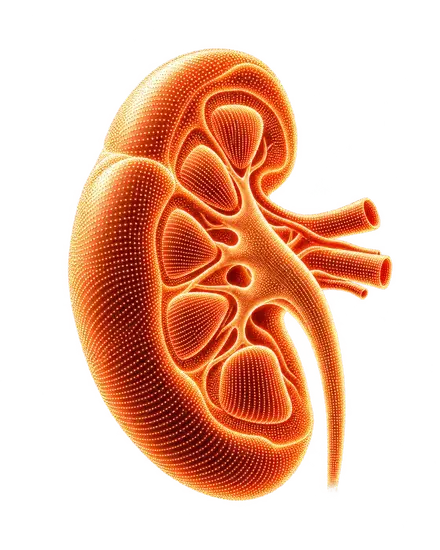
Kidney Health

11 biomarkers

Kidney Health guide
  • Carbon DioxideCO2 levels reflect acid-base balance and respiratory function, essential for cellular metabolism and pH homeostasis.In Essential, Advanced and MaxIn Essential, Advanced and Max
  • PotassiumPotassium is essential for heart function, muscle contraction, and blood pressure regulation, with deficiency being extremely common.In Essential, Advanced and MaxIn Essential, Advanced and Max
  • SodiumSodium regulates fluid balance, nerve function, and blood pressure, serving as a key indicator of hydration and electrolyte status.In Essential, Advanced and MaxIn Essential, Advanced and Max
  • ChlorideChloride maintains fluid balance and enables stomach acid production, essential for digestion and acid-base homeostasis.In Essential, Advanced and MaxIn Essential, Advanced and Max
  • BUN/Creatinine RatioThe BUN to Creatinine ratio compares two kidney function markers to help identify the cause of kidney dysfunction and assess hydration status.In Essential, Advanced and MaxIn Essential, Advanced and Max
  • eGFReGFR estimates kidney function by calculating how much blood the kidneys filter per minute, using creatinine, age, and sex in standardized equations.In Essential, Advanced and MaxIn Essential, Advanced and Max
  • CreatinineCreatinine measures kidney filtration capacity and muscle metabolism, serving as the primary indicator of kidney health and detoxification.In Essential, Advanced and MaxIn Essential, Advanced and Max
  • Urea Nitrogen (BUN)BUN reflects kidney filtration capacity and protein metabolism.In Essential, Advanced and MaxIn Essential, Advanced and Max
  • Uric AcidUric acid reflects purine metabolism and kidney function.In Essential, Advanced and MaxIn Essential, Advanced and Max
  • Anion GapThe Anion Gap measures the difference between measured cations (sodium, potassium) and measured anions (chloride, bicarbonate) in blood, indicating unmeasured anions.In Essential, Advanced and MaxIn Essential, Advanced and Max
  • Sodium:Potassium RatioThe Sodium to Potassium ratio reflects electrolyte balance and has implications for cardiovascular health, blood pressure regulation, and cellular function.In Essential, Advanced and MaxIn Essential, Advanced and Max

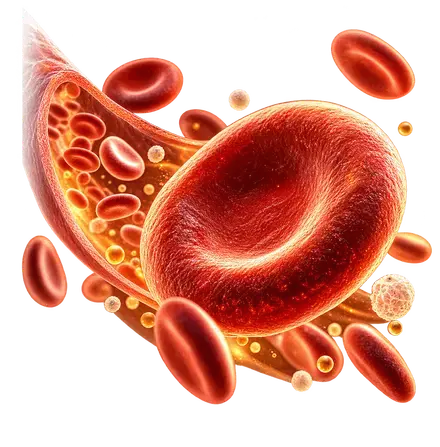
Blood Health

33 biomarkers

Blood Health guide
  • Nucleated RBC*Nucleated RBCs indicate severe bone marrow stress or disease, requiring immediate medical evaluation.In Essential, Advanced and MaxIn Essential, Advanced and Max
  • Absolute Promyelocytes*Absolute promyelocyte count indicates hematologic emergency, requiring immediate medical intervention.In Essential, Advanced and MaxIn Essential, Advanced and Max
  • Absolute Nucleated RBC*Absolute nucleated RBC count quantifies serious bone marrow stress, requiring immediate hematologic assessment.In Essential, Advanced and MaxIn Essential, Advanced and Max
  • Absolute Myelocytes*Absolute myelocyte count quantifies serious bone marrow stress, with any presence requiring immediate attention.In Essential, Advanced and MaxIn Essential, Advanced and Max
  • Red Blood Cell CountSynced from master biomarker data v2In Essential, Advanced and MaxIn Essential, Advanced and Max
  • HemoglobinHemoglobin directly determines oxygen-carrying capacity and is fundamental for energy production, cognitive function, and overall vitality.In Essential, Advanced and MaxIn Essential, Advanced and Max
  • HematocritHematocrit reflects blood's oxygen-carrying efficiency and thickness.In Essential, Advanced and MaxIn Essential, Advanced and Max
  • MCVMCV measures red blood cell size, providing critical insights into iron, B12, and folate status for targeted nutritional interventions.In Essential, Advanced and MaxIn Essential, Advanced and Max
  • MCHMCH measures hemoglobin content per red blood cell, helping assess anemia severity and guide nutritional interventions.In Essential, Advanced and MaxIn Essential, Advanced and Max
  • Promyelocytes*Promyelocytes indicate severe bone marrow dysfunction or acute leukemia, requiring urgent hematologic consultation.In Essential, Advanced and MaxIn Essential, Advanced and Max
  • RDWRDW measures red blood cell size variation, detecting early nutritional deficiencies and mixed deficiency states before other markers change.In Essential, Advanced and MaxIn Essential, Advanced and Max
  • MCHCMCHC measures hemoglobin concentration within red blood cells, providing the most specific indicator of iron deficiency.In Essential, Advanced and MaxIn Essential, Advanced and Max
  • MPVMPV measures platelet size and function, providing insight into bleeding risk and cardiovascular health.In Essential, Advanced and MaxIn Essential, Advanced and Max
  • Platelet CountSynced from master biomarker data v2In Essential, Advanced and MaxIn Essential, Advanced and Max
  • Blasts*Blasts indicate potential acute leukemia or severe bone marrow disorder, requiring immediate hematologic evaluation.In Essential, Advanced and MaxIn Essential, Advanced and Max
  • Absolute Blasts*Absolute blast count indicates hematologic emergency requiring immediate oncology consultation.In Essential, Advanced and MaxIn Essential, Advanced and Max
  • White Blood Cell CountWBC count measures immune system strength and activity, providing essential insight into infection resistance and immune health.In Essential, Advanced and MaxIn Essential, Advanced and Max
  • LymphocytesLymphocyte percentage reflects adaptive immune system health and the body's ability to mount specific immune responses.In Essential, Advanced and MaxIn Essential, Advanced and Max
  • Reactive Lymphocytes*Reactive lymphocytes indicate active immune response to viral infections and help differentiate viral from bacterial causes.In Essential, Advanced and MaxIn Essential, Advanced and Max
  • Absolute LymphocytesAbsolute lymphocyte count measures adaptive immunity strength and viral infection resistance.In Essential, Advanced and MaxIn Essential, Advanced and Max
  • MonocytesMonocyte percentage reflects the body's capacity for tissue cleanup, repair, and antigen presentation.In Essential, Advanced and MaxIn Essential, Advanced and Max
  • Absolute MonocytesAbsolute monocyte count measures tissue repair capacity and chronic inflammation status.In Essential, Advanced and MaxIn Essential, Advanced and Max
  • EosinophilsEosinophil percentage reflects the body's anti-parasitic defenses and allergic response capacity.In Essential, Advanced and MaxIn Essential, Advanced and Max
  • Absolute EosinophilsAbsolute eosinophil count indicates allergic reactions, parasites, and certain inflammatory conditions.In Essential, Advanced and MaxIn Essential, Advanced and Max
  • BasophilsBasophil percentage reflects allergic response mechanisms and immune system reactivity.In Essential, Advanced and MaxIn Essential, Advanced and Max
  • Absolute BasophilsAbsolute basophil count indicates allergic potential and immediate hypersensitivity reactions.In Essential, Advanced and MaxIn Essential, Advanced and Max
  • Absolute NeutrophilsAbsolute neutrophil count measures infection-fighting capacity and is critical for assessing bacterial infection risk.In Essential, Advanced and MaxIn Essential, Advanced and Max
  • NeutrophilsNeutrophil percentage reflects the body's bacterial defense capacity and immediate immune response.In Essential, Advanced and MaxIn Essential, Advanced and Max
  • Band Neutrophils*Band neutrophils indicate active immune response and help assess infection severity and immune system activation.In Essential, Advanced and MaxIn Essential, Advanced and Max
  • Absolute Band Neutrophils*Band neutrophils indicate immune system activation and help assess infection severity and immune response adequacy.In Essential, Advanced and MaxIn Essential, Advanced and Max
  • Metamyelocytes*Metamyelocytes indicate severe immune stress or bone marrow dysfunction, requiring immediate medical evaluation.In Essential, Advanced and MaxIn Essential, Advanced and Max
  • Absolute Metamyelocytes*Absolute metamyelocyte count quantifies severe immune or bone marrow stress, with any presence being concerning.In Essential, Advanced and MaxIn Essential, Advanced and Max
  • Myelocytes*Myelocytes indicate significant bone marrow stress or disease, with presence requiring immediate medical evaluation.In Essential, Advanced and MaxIn Essential, Advanced and Max

*Included, but may only be shown when detected or clinically meaningful. If anything needs attention, it will appear in your report.

Liver Health

13 biomarkers

Liver Health guide
  • ALTALT serves as a sensitive indicator of liver cell health and integrity.In Essential, Advanced and MaxIn Essential, Advanced and Max
  • ASTAbsolute blast count indicates hematologic emergency requiring immediate oncology consultation.In Essential, Advanced and MaxIn Essential, Advanced and Max
  • Alkaline PhosphataseALP reflects bile duct health and bone metabolism.In Essential, Advanced and MaxIn Essential, Advanced and Max
  • Bilirubin, TotalBilirubin reflects liver processing capacity and red blood cell turnover.In Essential, Advanced and MaxIn Essential, Advanced and Max
  • Protein, TotalTotal protein measures the combined amount of albumin and globulins in blood.In Essential, Advanced and MaxIn Essential, Advanced and Max
  • Albumin/Globulin RatioThe Albumin to Globulin (A/G) ratio compares the two major protein fractions in blood, reflecting liver synthetic function and immune system activity.In Essential, Advanced and MaxIn Essential, Advanced and Max
  • GlobulinCalculated Globulin is derived by subtracting albumin from total protein.In Essential, Advanced and MaxIn Essential, Advanced and Max
  • AlbuminAlbumin reflects liver synthetic capacity and nutritional status.In Essential, Advanced and MaxIn Essential, Advanced and Max
  • AST:ALT RatioThe AST to ALT ratio (also known as De Ritis ratio) compares two liver enzymes to help differentiate between various types of liver disease and assess liver health.In Essential, Advanced and MaxIn Essential, Advanced and Max
  • Bilirubin-to-Albumin Ratio (Bar)The Bilirubin-to-Albumin Ratio (BAR) is used to assess liver function and predict outcomes in liver disease, particularly in neonates and those with hyperbilirubinemia.In Essential, Advanced and MaxIn Essential, Advanced and Max
  • De Ritis RatioThe De Ritis ratio, named after Italian physician Fernando De Ritis, is the ratio of AST to ALT enzymes used to evaluate liver disease etiology and severity.In Essential, Advanced and MaxIn Essential, Advanced and Max
  • GGTGGT measures liver detoxification capacity and is highly sensitive to toxic exposures, alcohol, and oxidative stress.In Advanced and MaxIn Advanced and Max
  • GGT/HDL RatioThe GGT to HDL ratio combines a liver enzyme marker with lipid metabolism to assess metabolic and cardiovascular risk.In Advanced and MaxIn Advanced and Max

Urine

26 biomarkers

Urine guide
  • Urine GlucoseUrine glucose measures the presence of sugar in urine, which normally should be absent or minimal.In Essential, Advanced and MaxIn Essential, Advanced and Max
  • Urine Yeast*Urine yeast testing detects the presence of fungal organisms, typically Candida species, in urine.In Essential, Advanced and MaxIn Essential, Advanced and Max
  • Urine Hyaline Cast*Hyaline casts are cylindrical structures formed in kidney tubules from Tamm-Horsfall protein.In Essential, Advanced and MaxIn Essential, Advanced and Max
  • Urine Granular Cast*Granular casts are cylindrical structures containing degenerating cellular material or protein aggregates.In Essential, Advanced and MaxIn Essential, Advanced and Max
  • Urine Casts*Urinary casts are cylindrical structures formed in kidney tubules.In Essential, Advanced and MaxIn Essential, Advanced and Max
  • Urine BilirubinUrine bilirubin detects conjugated (direct) bilirubin in urine.In Essential, Advanced and MaxIn Essential, Advanced and Max
  • Urine Uric Acid Crystals*Uric acid crystals in urine appear as diamond or barrel-shaped crystals in acidic urine.In Essential, Advanced and MaxIn Essential, Advanced and Max
  • Urine Calcium Oxalate Crystals*Calcium oxalate crystals are the most common type of urinary crystal and appear as envelope-shaped (octahedral) or dumbbell-shaped structures.In Essential, Advanced and MaxIn Essential, Advanced and Max
  • Urine Amorphous Sediment*Amorphous sediment indicates early crystal formation and stone risk when present in large amounts.In Essential, Advanced and MaxIn Essential, Advanced and Max
  • Urine Bacteria*Urinary bacteria detect UTIs and help guide antimicrobial treatment while identifying patterns that may indicate underlying dysfunction.In Essential, Advanced and MaxIn Essential, Advanced and Max
  • Urine Crystals*Urine crystals indicate kidney stone risk and metabolic imbalances requiring targeted prevention strategies.In Essential, Advanced and MaxIn Essential, Advanced and Max
  • Urine Triple Phosphate Crystals*Triple phosphate crystals indicate alkaline urine and potential infection, requiring acidification and treatment.In Essential, Advanced and MaxIn Essential, Advanced and Max
  • Urine Transitional Epithelial Cells*Transitional epithelial cells indicate bladder or ureter irritation, requiring urological assessment if elevated.In Essential, Advanced and MaxIn Essential, Advanced and Max
  • Urine Renal Epithelial Cells*Renal epithelial cells indicate kidney damage or disease, requiring nephrology evaluation.In Essential, Advanced and MaxIn Essential, Advanced and Max
  • Urine AppearanceUrine appearance indicates kidney filtration quality and presence of infections or crystals.In Essential, Advanced and MaxIn Essential, Advanced and Max
  • Urine RBCUrine red blood cells (RBCs) or hematuria measures the presence of blood in urine.In Essential, Advanced and MaxIn Essential, Advanced and Max
  • Urine WBCUrine white blood cells (WBCs) or pyuria measures the presence of immune cells in urine.In Essential, Advanced and MaxIn Essential, Advanced and Max
  • Urine Leukocyte EsteraseLeukocyte esterase detects urinary tract inflammation and immune activation, helping screen for UTIs and urinary inflammation.In Essential, Advanced and MaxIn Essential, Advanced and Max
  • Urine NitriteUrinary nitrites specifically detect nitrate-reducing bacteria, helping confirm bacterial UTIs and guide treatment decisions.In Essential, Advanced and MaxIn Essential, Advanced and Max
  • Urine ProteinUrine protein testing detects the presence of protein, primarily albumin, in urine.In Essential, Advanced and MaxIn Essential, Advanced and Max
  • Urine pHUrine pH measures the acidity or alkalinity of urine on a scale of 0-14.In Essential, Advanced and MaxIn Essential, Advanced and Max
  • Urine Occult BloodOccult blood detects microscopic bleeding in the urinary tract, requiring investigation for underlying causes.In Essential, Advanced and MaxIn Essential, Advanced and Max
  • Urine Specific Gravity*Specific gravity measures kidney concentrating ability and hydration status for optimal fluid balance assessment.In Essential, Advanced and MaxIn Essential, Advanced and Max
  • Urine KetonesKetones reflect metabolic flexibility and fat-burning capacity, indicating the body's ability to efficiently utilize stored fat for sustained energy production.In Essential, Advanced and MaxIn Essential, Advanced and Max
  • Urine ColorUrine color indicates hydration status and can reveal kidney, liver, or metabolic issues requiring attention.In Essential, Advanced and MaxIn Essential, Advanced and Max
  • Urine Squamous Epithelial Cells*Squamous epithelial cells in urine originate from the lower urethra, vagina, or external genitalia.In Essential, Advanced and MaxIn Essential, Advanced and Max

*Included, but may only be shown when detected or clinically meaningful. If anything needs attention, it will appear in your report.

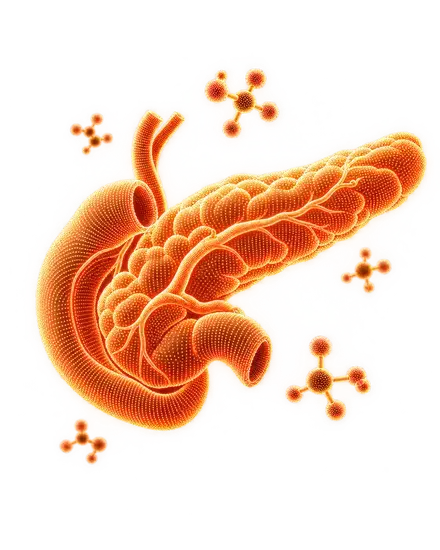
Pancreas Health

2 biomarkers

Pancreas Health guide
  • AmylaseAmylase is a digestive enzyme produced mainly by the pancreas and salivary glands.Max onlyMax only
  • LipaseLipase is a digestive enzyme produced primarily by the pancreas that breaks down dietary fats (triglycerides) into fatty acids and glycerol for absorption in the intestines.Max onlyMax only

Browse All Biomarkers

Blood Health

  • Absolute Band Neutrophils
  • Absolute Basophils
  • Absolute Blasts
  • Absolute Eosinophils
  • Absolute Lymphocytes
  • Absolute Metamyelocytes
  • Absolute Monocytes
  • Absolute Myelocytes
  • Absolute Neutrophils
  • Absolute Nucleated Rbc
  • Absolute Promyelocytes
  • Band Neutrophils
  • Basophils
  • Blasts
  • Eosinophils
  • Hematocrit
  • Hemoglobin
  • Lymphocytes
  • Mch
  • Mchc
  • Mcv
  • Metamyelocytes
  • Monocytes
  • Mpv
  • Myelocytes
  • Neutrophils
  • Nucleated Rbc

Pick the depth that fits.

Every plan is one draw at Quest, read against optimal ranges in a 90-page Functional Health Report. Add single tests at checkout.

Compare plans in detail
  • Essential

    Core Wellness

    $99one-time

    120+ biomarkers

    • Check for deficiencies behind low energy and immunity
    • Catch heart basics before they become real issues
    • Find iron gaps that drive fatigue and brain fog
    Choose Essential
Vitals Vault

For those who don’t settle for normal.

Choose your panelContact us
+1 (888) 788-5326

Sales and support · 9am-6pm PST, Mon-Fri

Understand Your Body

  • Biomarkers We Test
  • All Biomarkers (A–Z)
  • Explore Medications
  • Galleri® cancer screening
  • How We Analyze
  • Platform Features
  • Compare
  • Blogs

Health information

  • Signs & Symptoms
  • Learn Treatment
  • Improve Biomarkers
  • Conditions
  • Health Blog

Longevity & Healthy Aging

  • Hormonal Health
  • Heart Health
  • Energy & Metabolism
  • Inflammation & Immunity
  • Vitamins & Minerals
  • Blood Health

Free Tools to Start

  • Check Your Health Score
  • Biological Age Calculator
  • Free LifeSpan Report
  • Check Lab Appointment Availability
  • Lab Locations by State

Community

  • Stories
  • Gift Health
  • For creators & affiliates
  • For clinics & practitioners
  • Partnerships
  • Developers

Support & Trust

  • Contact Us
  • About Us
  • Our Clinicians
  • FAQ

Legal

  • Privacy Policy
  • Terms of Service
  • Refund Policy
  • Checkout and Intake Terms
  • Medical Partners
  • Medical Records Authorization
  • Consumer Health Data Privacy
  • Lab Order & Information Authorization
  • Phone Number Authorization

Tests processed by CLIA-certified Quest Diagnostics labs. HSA/FSA eligible.

© 2026 Vitals Vault · Not a substitute for medical care · In an emergency, call 911

  • Platelet Count
  • Promyelocytes
  • Rdw
  • Reactive Lymphocytes
  • Red Blood Cell Count
  • White Blood Cell Count
  • Calculated Ratios

    • Testosterone Bioavailable

    Cancer Screening

    • Psa, Total

    Energy Metabolism

    • A1c–Glucose Discordance
    • Biological Age
    • BMI
    • Eag (Mg/Dl)
    • Eag (Mmol/L)
    • Hemoglobin A1C
    • HOMA2-%B
    • HOMA2-%S
    • HOMA2-IR
    • Insulin
    • QUICKI
    • TyG Index
    • TyG-BMI Index
    • Uric Acid

    Heart Health

    • Apolipoprotein A1
    • Apolipoprotein B
    • Atherogenic Index
    • Chol/Hdlc Ratio
    • Cholesterol, Total
    • Cholesterol, Very Low Density Lipoprotein
    • Hdl Cholesterol
    • Ldl-Cholesterol
    • LDL-C/ApoB Ratio
    • LDL:HDL Ratio
    • Lipoprotein (A)
    • Non Hdl Cholesterol
    • Non-HDL/Total Cholesterol Ratio
    • Total Cholesterol/HDL Ratio
    • Triglyceride:HDL Ratio
    • Triglycerides

    Hormonal Health

    • % Testosterone Bioavailable
    • % Testosterone Free
    • Cortisol, Total
    • Cortisol:DHEA-S Ratio
    • Dhea Sulfate
    • Estradiol
    • Free T3:Free T4 Ratio
    • Igf 1, Lc/Ms
    • PROGESTERONE
    • Sex Hormone Binding Globulin
    • Testosterone, Free
    • Testosterone, Total, Ms
    • Testosterone/ApoB Ratio
    • Testosterone/CRP Ratio
    • Testosterone/Estradiol (T:E2)
    • Z Score (Female)
    • Z Score (Male)

    Inflammation Immunity

    • CRP/Albumin Ratio (CAR)
    • Ferritin/CRP Ratio
    • Homocysteine
    • Hs Crp
    • Lymphocyte-to-Monocyte Ratio (LMR)
    • Monocyte-to-Lymphocyte Ratio (MLR)
    • Neutrophil-to-Lymphocyte & Platelet Ratio (NLPR)
    • NLR (Neutrophil:Lymphocyte
    • PLR (Platelet:Lymphocyte)
    • Sed Rate By Modified Westergren
    • Systemic Immune-Inflammation Index (SII)
    • Systemic Inflammation Response Index (SIRI)

    Kidney Health

    • Anion Gap
    • Bun/Creatinine Ratio
    • Calcium
    • Carbon Dioxide
    • Chloride
    • Creatinine
    • Egfr
    • Glucose
    • Potassium
    • Protein, Total
    • Sodium
    • Sodium:Potassium Ratio
    • Urea Nitrogen (Bun)

    Liver Health

    • Albumin
    • Albumin/Globulin Ratio
    • Alkaline Phosphatase
    • Alt
    • Amylase
    • Ast
    • AST:ALT Ratio
    • Bilirubin Indirect/Direct Ratio
    • Bilirubin-to-Albumin Ratio (BAR)
    • Bilirubin, Total
    • De Ritis Ratio
    • Ggt
    • GGT/HDL Ratio
    • Globulin
    • Ld
    • Lipase

    Nutrients Vitamins Minerals

    • % Saturation
    • Calcium:Albumin Ratio
    • Ferritin
    • Ferritin-to-Albumin Ratio (FAR)
    • Folate, Serum
    • Iron Binding Capacity
    • Iron, Total
    • Magnesium, Rbc
    • Vitamin B12
    • Vitamin D, 25-Oh, Total
    • Zinc

    Thyroid Health

    • Free T4 Index (T7)
    • T3 Uptake
    • T4 (Thyroxine), Total
    • Tsh

    Urine

    • Amorphous Sediment
    • Appearance
    • Bacteria
    • Bilirubin
    • Calcium Oxalate Crystals
    • Casts
    • Color
    • Crystals
    • Glucose
    • Granular Cast
    • Hyaline Cast
    • Ketones
    • Leukocyte Esterase
    • Nitrite
    • Occult Blood
    • Ph
    • Protein
    • Rbc
    • Renal Epithelial Cells
    • Specific Gravity
    • Squamous Epithelial Cells
    • Transitional Epithelial Cells
    • Triple Phosphate Crystals
    • Uric Acid Crystals
    • Wbc
    • Yeast

    Available Lab Panels

    • Galleri Multi-Cancer Blood Test
    • Anti-Aging Baseline Panel
    • Enclomiphene Monitoring Panel
    • Men's Full Body Wellness Panel
    • Steroid Hormone Panel (Comprehensive)
    • Iodine (Blood)
    • Metals Panel (Urine)
    • Gut Immune Panel (Celiac Antibodies + ANA)
    • IGFBP-2 (IGF Binding Protein-2)
    • Student Immunity Titers Panel
    • Anastrozole Monitoring Panel (Lipids)
    • IGFBP-3
    • Steroid Panel (PCOS vs CAH)
    • Metabolic Medication Monitoring Panel
    • Mold Allergy Panel (Extended, IgE)
    • Sickle Cell Trait Panel (Hemoglobin Types)
    • Lyme Disease Screen
    • Pernicious Anemia Panel (B12, MMA, Antibody)
    • Indoor Allergy Panel (IgE)
    • Iodine, Random Urine
    • Children's Comprehensive Health Panel
    • Immunoglobulins (IgA, IgG, IgM, IgE)
    • Vegetarian Nutrient & Health Panel
    • Mold Allergy Panel (IgE, 11 Molds)
    • Diabetes Autoantibody Panel (GAD-65, IA-2, Insulin)
    • Comprehensive Weight Loss Panel
    • Enclomiphene Starter Panel
    • Anti-Aging Comprehensive Panel
    • GLP-1 Medication Comprehensive Panel
    • High-Protein Diet Nutrient Panel
    • High-Fat Diet Nutrient Panel (Keto)
    • Methylene Blue Monitoring Panel
    • Blood Sugar Quick Check
    • Men's Prostate & Wellness Panel
    • Advanced Thyroid Panel (with Antibodies)
    • Essential Full Body
    • Weed & Grass Allergy Panel (IgE)
    • Weight Loss and Metabolism Panel
    • Basic Health Profile (Men)
    • Menopause Panel
    • Thyroid Quick Check
    • Omega-3 Index
    • Advanced Full Body
    • Anti-Aging Complete Panel (105 Markers)
    • Multi-Food Allergy Panel (IgE)
    • Max Full Body
    • Weight Management Panel for Men
    • Basic Health Profile (Women)
    • LDL Particle Test (Size + Count)
    • Heart Quick Check
    • Heavy Metals Panel (Blood)
    • Estrogen Dominance Panel (Cycling)
    • Weight Loss Journey Baseline Panel
    • Comprehensive STD Screening Panel
    • Food Allergy Profile (IgE)
    • PSA (Free & Total)
    • Comprehensive Health Profile
    • MTHFR Gene Test
    • Weight Management Panel for Women
    • Estrogen Dominance Panel (Non-Cycling)
    • B Vitamin Panel (B1, B2, B3, B5, B6)
    • Comprehensive Health Profile (Men)
    • Perimenopause Panel
    • Liver Function Panel
    • Advanced Heart Health Panel
    • Comprehensive Health Profile for Women
    • Pre-Pregnancy Panel
    • Ozempic (Semaglutide) Monitoring Panel
    • Kidney Health Plus Panel
    • Basic Health Profile
    • Wegovy (Semaglutide) Monitoring Panel
    • Female Hormone Extended Panel
    • Men's Vitality Quick Check
    • Immune Health Panel
    • Advanced Insulin Resistance Panel
    • Zepbound (Tirzepatide) Monitoring Panel
    • Mounjaro (Tirzepatide) Monitoring Panel
    • Energy and Fatigue Quick Check
    • Post-COVID Expanded Panel
    • Chemistry Panel + CBC
    • Longevity Essentials Quick Check
    • Blood Chemistry Panel (Comprehensive)
    • Iron & Metabolic Panel
    • Belly Fat Hormone Panel (Men)
    • Foundational Plus Blood Panel
    • Belly Fat Hormone Panel (Women)
    • D-Dimer with CBC
    • Autoimmune Disease Screen
    • Anemia Panel (Basic)
    • Anemia Profile (CBC, Iron & Reticulocytes)
    • Pregnancy Test (Blood hCG)
    • Kidney Function Panel
    • Lipid Panel (with Ratios)
    • Iron & Anemia Plus Panel
    • Cognitive Health Panel
    • Anxiety Contributors Panel (Women)
    • Advanced Fatigue Panel
    • Stress Impact Assessment Panel
    • Muscle Recovery & Performance Panel
    • Methylation & B-Vitamin Panel
    • Gout Lab Panel
    • Hair Loss Blood Test Panel
    • Inflammation & Immune Panel
    • Post-COVID Mini Panel
    • Muscle Aches and Advanced Cholesterol Panel
    • Frozen Shoulder Lab Plus Panel
    • Inflammation Lab Panel
    • Immunoglobulins (IgA, IgG, IgM)
    • Hashimoto's Comprehensive Panel
    • PCOS Screening Panel
    • Thyroglobulin + Thyroid Hormone Panel
    • Celiac Disease Screening Panel
    • GLP-1 Medicine Monitoring Panel (Lixisenatide)
    • Diabetes and Cholesterol Comprehensive Panel
    • Diabetes Management Panel (Comprehensive)
    • Metabolic Discovery Panel
    • Diabetes Monitoring Panel
    • Lipase
    • Leptin
    • MMA (Methylmalonic Acid)
    • Bodybuilder Blood Test Panel
    • Zinc
    • Immigration Lab Panel (Condensed)
    • Magnesium (Red Blood Cell)
    • Mercury
    • Fitness and Recovery Panel (Deep Dive)
    • Lead
    • Athletic Ultimate Anti-Aging Panel
    • Magnesium (Serum)
    • Fitness Panel (Comprehensive)
    • Fitness Foundation Panel
    • Bodybuilding Panel (Men)
    • Healthy Skin Blood Panel
    • Heart Health Plus Panel
    • Cholesterol Follow-Up Panel
    • Vitals Vault Cardiovascular Panel
    • Lipoprotein Fractionation Panel
    • Eggs and Heart Health Panel
    • Cholesterol and Saturated Fat Risk Panel
    • Heart Failure Monitoring Panel
    • Vitamin B12 & Folate
    • Functional Thyroid Panel
    • Women's HRT Performance Panel
    • Men's HRT Comprehensive Panel
    • Male Hormone Panel
    • Endocrine Advanced Panel
    • Comprehensive Health and Hormone Panel (Men)
    • Enhanced Athlete Monthly Panel
    • Enhanced Athlete Monthly Plus Panel
    • Men's Performance Hormone Safety Panel
    • Comprehensive Hormone Panel
    • Comprehensive Female Hormone Panel
    • Adrenal Function Panel
    • Frozen Shoulder Lab Panel
    • Kidney Baseline Panel (CBC + Urinalysis)
    • UTI Panel (Urinalysis + Culture)
    • Liver Function Panel
    • LDH Isoenzymes (LD1-LD5)
    • Wilson's Disease Profile
    • Metabolic Syndrome and Glucose Panel
    • Oral Contraceptive Nutrient Panel
    • Endocrine Panel (Women)
    • Reproductive Hormones (Comprehensive)
    • Women's Comprehensive Hormone Panel
    • PCOS Risk Panel
    • Chlamydia, Gonorrhea & Urinalysis Panel
    • Prostate & Urine Panel (PSA, CBC, Urinalysis)
    • Epstein-Barr Virus (EBV) Antibodies
    • Post-COVID Clotting Panel
    • Cat & Dog Allergy Panel (IgE)
    • Gluten Allergy (IgE)
    • Dairy-Free Nutrient Panel
    • Iron, Copper, Magnesium and Zinc Panel
    • Keto Lab Panel (Advanced)
    • Carnivore Diet Panel
    • Gallstone Risk Panel
    • Vitamin and Mineral Plus Panel
    • Magnesium, Anxiety and Sleep Panel
    • Nutrients and Omega-3 Panel
    • Metabolism Lab Panel
    • Nutrients Lab Panel
    • Baseline Biomarkers Comprehensive Panel
    • Comprehensive Wellness Panel
    • Full Body Wellness Panel for Women
    • Wellness Performance FX Panel
    • Wellness Women's Health Panel
    • Men's Wellness Panel (Advanced Lipids)
    • Wellness Check-up
    • Men's Sex & Energy Panel
    • Erectile Dysfunction Panel (ED Plus)
    • Men's Full Hormone Panel
    • Women's Full Hormone Panel
    • HRT Monitoring Panel — Women
    • Men's Hormone Panel
    • Female Fertility Panel (Blood + Urine)
    • Women's Fertility Hormone Panel
    • Female Hormone Optimization Panel
    • Women's Hormone Panel (Expanded)
    • Female Hormone Panel Plus
    • Estrogen Plus Panel
    • Fertility Hormone Panel (Comprehensive)
    • Anemia Health Panel (Comprehensive)
    • Nutrition and Wellness Deep Dive Panel
    • Inflammation Panel with Thyroid Antibodies
    • hs-CRP and Homocysteine Panel
    • Advanced Heart and Insulin Panel
    • Full Monty Micronutrient Panel (with Uric Acid)
    • Keto Lab Panel
    • Low-Carb Diet Nutrient Panel
    • A1c and Glucose Panel
    • Insulin and Glucose Panel
    • Insulin Resistance Panel
    • Lipid Panel with Lp(a)
    • Advanced Lipid Panel with Lp(a)
    • Free T3, Free T4 and TSH Panel
    • Free T3 and Free T4 Panel
    • Free T3, Free T4 and Reverse T3 Panel
    • Vitamin D and B12 Panel
    • Magnesium RBC, Zinc and Copper Panel
    • Zinc, Copper and Ceruloplasmin Panel
    • Total Glutathione
    • Vitamin B1 (Thiamine), Blood
    • Vitamin B5 (Pantothenic Acid)
    • Vitamin B3 (Niacin)
    • Peanut Allergy (IgE)
    • Bartonella DNA (PCR)
    • Copeptin
    • Catecholamines & VMA (24-Hour Urine Collection)
    • HbA1c (Blood Sugar Average)
    • Mold Allergy Panel (Complete, IgE)
    • CA 27.29 (Breast Cancer Marker)
    • Vitamin D
    • IGF-1 (Growth Hormone Marker)
    • Vitamin D with Calcitriol (Active D)
    • Thyroid Panel (TSH + T3 + T4)
    • CBC (Complete Blood Count)
    • Blood Type (ABO and Rh)
    • Protein, Total (24-Hour Urine Collection)
    • Insulin — Fasting (Insulin Resistance Screening)
    • PTH, Intact (Without Calcium)
    • Uric Acid
    • CMP (Comprehensive Metabolic Panel)
    • RBC Antibody Screen (Auto-Adds ID & Titer if Positive)
    • HLA-DR/DQ Gene Typing (Mold Panel)
    • Apolipoprotein A1 (ApoA1)
    • Calcium (Ionized)
    • Total IgG
    • Vitamin B12 (Cobalamin)
    • Albumin (24-Hour Urine Collection)
    • DHT (Dihydrotestosterone)
    • Albumin-to-Creatinine Ratio (Urine)
    • Protein, Total (Spot Urine)
    • CTx (Bone Breakdown Marker)
    • Bilirubin (Total, Direct and Indirect)
    • Valproic Acid (Depakote) Level
    • Immunoglobulins Panel (IgA, IgG, IgM)
    • Egg (Yolk & White) IgE
    • 1,5-Anhydroglucitol (1,5-AG)
    • Direct Antiglobulin Test (Coombs)
    • Diabetes and Heart Risk Panel with Scores
    • Coenzyme Q10 (CoQ10)
    • CMV Antibody (IgM)
    • Vitamin A (Retinol)
    • Cortisol (Morning)
    • TGF-Beta 1
    • VIP (Vasoactive Intestinal Polypeptide)
    • Estradiol, Ultrasensitive (Men & Postmenopausal Women)
    • Allergy Evaluation, Southwest
    • Amino Acid Analysis
    • Group B Strep Culture
    • VEGF (Vascular Endothelial Growth Factor)
    • Copper
    • Complement C3a
    • Homocysteine
    • Newborn Bilirubin (Total)
    • Progesterone
    • AMH (Anti-Mullerian Hormone)
    • CD45RO (Tissue Immune Cell Stain)
    • hs-CRP (Inflammation Marker)
    • Heavy Metals Comprehensive (Urine)
    • Urinalysis (Complete)
    • GGT (Gamma-Glutamyl Transferase)
    • Biotin (Vitamin B7)
    • Vitamin B12 & Folate Panel
    • Advanced Lipid Panel with Inflammation
    • TSH
    • Amylase
    • Calprotectin (Stool)
    • Calcitriol (Active Vitamin D)
    • Pollen, Mold, Pet & Mite Allergy Panel (IgE)
    • Mold & Candida Allergy Panel (IgE)
    • TSH (Auto-Adds Free T4 if Abnormal)
    • Copper (24-Hour Urine Collection)
    • Carrageenan Allergy (IgE)
    • Shellfish Allergy Panel (IgE)
    • Egg Sensitivity (IgG)
    • Prolactin
    • Estrogens, Fractionated (E1, E2, E3)
    • DHEA-S
    • CK-MB
    • Vitamin B1 (Thiamine)
    • Rubella Immunity (IgG)
    • HLA-DQB1 Typing (Low Resolution)
    • PSA (Auto-Adds Free PSA if Elevated)
    • Candida Immune Complex
    • Celiac Disease Panel
    • Bilirubin, Urine
    • Walnut IgE (Auto-Adds Component Panel if Positive)
    • Islet Antigen-2 Antibody (Diabetes)
    • Ethylene Oxide IgE
    • Chromium
    • Prolactin (Total and Monomeric)
    • Ceruloplasmin
    • Hazelnut IgE (Auto-Adds Component Panel if Positive)
    • Insulin (2-Hour Post-Glucose)
    • TPO Antibodies (Thyroid Peroxidase)
    • Lipoprotein(a)
    • p-Tau181 (Alzheimer's Marker)
    • Cystatin C with eGFR
    • Protein, Total (Spot Urine with Creatinine)
    • Creatine (24-Hour Urine Collection)
    • Total Cholesterol
    • Free T3
    • Adiponectin
    • Galectin-3
    • Oxidized LDL
    • Drug Monitoring Panel (Urine, 8 Substances)
    • Celiac Genetic Test (HLA-DQ2/DQ8)
    • Stool Culture (Salmonella and Shigella)
    • Sirolimus (Rapamycin)
    • Apolipoprotein Evaluation (ApoA1 and ApoB)
    • Formaldehyde IgE
    • APOE Genotype
    • Matrix Metalloproteinase-9 (MMP-9)
    • Free Testosterone
    • Vitamin K
    • Alpha-MSH
    • TMAO (Gut-Heart Marker)
    • Advanced Lipid Panel
    • Neurofilament Light Chain (NfL)
    • Cortisol
    • IGF-2
    • Free T4
    • Ferritin (Iron Stores)
    • ApoB (Apolipoprotein B)
    • hCG (Quantitative)
    • D-Dimer
    • H. pylori Stool Antigen
    • G6PD Enzyme Level
    • Epstein-Barr Virus Antibody Panel
    • Beta-2-Microglobulin
    • Beta-Amyloid 42/40 Ratio (Alzheimer's Marker)
    • TSH Receptor Antibody (TRAb)
    • Ammonia
    • Interleukin-6 (IL-6)
    • Estrone Sulfate
    • ZnT8 Antibody (Zinc Transporter 8)
    • Candida Antibody (IgG)
    • Anti-CCP Antibody (IgG)
    • Small Dense LDL (sdLDL)
    • T4 (Thyroxine) Antibody
    • Sickle Cell Screen
    • Factor V Leiden Gene Test
    • Pregnenolone
    • Potassium (Red Blood Cell)
    • TB Blood Test (QuantiFERON Gold Plus)
    • Fructosamine
    • Estriol
    • Proinsulin
    • Alpha-1-Acid Glycoprotein (AGP)
    • Vitamin D (D2 + D3 Breakdown)
    • Vitamin B6
    • ACTH
    • Thyroid Antibodies
    • Iron, TIBC & Ferritin Panel
    • SHBG (Sex Hormone Binding Globulin)
    • Insulin, Intact — Precision (Rules Out Proinsulin Cross-Reactivity)
    • Growth Hormone (GH)
    • Reverse T3
    • Estrone
    • Zinc Protoporphyrin (ZPP)
    • 21-Hydroxylase Antibody
    • Alpha-1 Antitrypsin
    • TSI (Thyroid Stimulating Immunoglobulin)
    • BNP (B-Type Natriuretic Peptide)
    • Fibrinogen Activity
    • Complement, Total (CH50)
    • Gastrin
    • Stool Blood Test (FIT, At-Home)
    • Cardiolipin Antibodies (IgA, IgG, IgM)
    • Hepatitis Panel (General)
    • Food Sensitivity Panel 2 (IgG)
    • Bile Acids (Pregnancy)
    • Calcitonin
    • F2-Isoprostanes (Oxidative Stress, Urine)
    • 17-Hydroxyprogesterone
    • FSH and LH
    • Hepatitis Panel, Acute (Auto-Adds Confirmation if Positive)
    • Transferrin (Iron Transport)
    • Estradiol — Standard (Cycling Women)
    • ANA Screen (Auto-Adds Titer & 11 Antibody Panel if Positive)
    • Direct LDL Cholesterol
    • Kidney Profile
    • Glucagon
    • Arsenic
    • Urine Culture
    • Estradiol and Estrone
    • 17-Hydroxypregnenolone
    • Aldosterone
    • Celiac Disease Panel (tTG-IgA + Total IgA)
    • Fibrinogen Antigen
    • Vitamin E (Alpha and Gamma Tocopherol)
    • Cardiolipin Antibody (IgG)
    • Testosterone, Total
    • Lipid Panel (with Ratios)
    • Total Protein with Protein Electrophoresis
    • Bone-Specific Alkaline Phosphatase
    • ADMA and SDMA
    • Feather Mix Allergy (IgE)
    • LDH (Lactate Dehydrogenase)
    • Candida Antibodies (IgG, IgA, IgM)
    • Androstenedione
    • CMV Antibodies (IgG and IgM)
    • Zinc (Red Blood Cell)
    • Thyroglobulin and Antibodies Panel
    • Platelet Antigen HPA-1 Genotype
    • Vitamin B2 (Riboflavin)
    • P1NP (Bone Formation Marker)
    • Fatty Acid Panel, Comprehensive
    • Rheumatoid Factor
    • HLA-DRB1 Typing (Intermediate Resolution)
    • CK Isoenzymes (with Total CK)
    • Creatinine Clearance (24-Hour Urine)
    • ANA Screen (Auto-Adds Antibody Panel if Positive)
    • Babesia duncani Antibody (IgG)
    • TBG (Thyroxine Binding Globulin)
    • Vitamin B3 (Niacin and Niacinamide)
    • C-Peptide
    • Testosterone Panel (Free, Bioavailable & Total)
    • Adrenal Antibody Screen (Auto-Adds Titer if Positive)
    • Calcium (Red Blood Cell)
    • Complement C4a
    • Selenium
    • Aldosterone/Renin Ratio
    • Specific Gravity, Urine
    • Calcium (Spot Urine with Creatinine)
    • Folate (Red Blood Cell)
    • AMH (Male)
    • Progesterone
    • Glucose (Fasting and 2-Hour After Meal)
    • 18-Hydroxycorticosterone
    • Erythropoietin (EPO)
    • Estrogens, Total
    • Calcium (24-Hour Urine Collection)
    • Free Estradiol
    • Cobalt
    • CMV Antibody (IgG)
    • Cadmium

    Advanced

    Hormones & Nutrients

    $199one-time

    140+ biomarkers

    • Spot hidden heart risk with ApoB — missed by standard cholesterol panels
    • Uncover B12/folate gaps tied to fatigue, cognition, and methylation
    • Track hormone balance with estradiol and SHBG insights
    Choose Advanced
  • Max

    Most complete

    Longevity & Early Detection

    $399one-time

    160+ biomarkers

    • Extended cardiovascular profiling (ApoA1, VLDL, LDH)
    • Bone density Z-scores & longevity markers (IGF-1, zinc)
    • Deep gut/liver/pancreas insights to protect longevity
    Choose Max
  • Questions about what we test.

    Why is ApoB considered a better predictor of heart disease than LDL cholesterol, and does Vitals Vault test it?

    ApoB (Apolipoprotein B) measures the total number of atherogenic (plaque-causing) particles in your blood — every LDL, VLDL, IDL, and Lp(a) particle carries exactly one ApoB protein. Standard LDL testing measures the cholesterol content carried inside particles, which can be misleading: someone with small, dense LDL particles can have a “normal” LDL-C while carrying a dangerous number of particles. Multiple large-scale studies, including INTERHEART and the Copenhagen City Heart Study, have confirmed ApoB is a superior predictor of cardiovascular events. Less than 5% of Americans get ApoB tested annually through their physician. Vitals Vault includes ApoB in the Advanced and Max plans, along with the LDL-C/ApoB ratio — a calculated value that reveals particle size and density.

    What blood tests does my annual physical miss that Vitals Vault includes?

    The most clinically significant gaps between a standard annual physical and Vitals Vault’s comprehensive panel include: ApoB (superior cardiovascular risk marker, not on standard panels), Lp(a) (genetic cardiovascular risk factor affecting 1 in 5 people, rarely tested), fasting insulin (detects insulin resistance 10–15 years before HbA1c becomes abnormal), hs-CRP (high-sensitivity inflammation marker that predicts cardiac events independently of cholesterol), homocysteine (cardiovascular and cognitive risk marker), DHEA-S (adrenal hormone reflecting physiological aging), free testosterone and SHBG (total testosterone alone misses functional deficiency), Vitamin D 25-OH (deficient in ~42% of U.S. adults), thyroid antibodies TPO/TgAb (detect Hashimoto’s thyroiditis, which TSH alone misses), ferritin (iron storage, missed by standard iron tests), uric acid (metabolic and gout risk), and more than 80 additional biomarkers. The standard annual physical was designed for population-level triage, not individual health optimization.

    Should I get my Lp(a) tested, and why do European guidelines say everyone should have it checked at least once?

    Lipoprotein(a), or Lp(a), is a genetically determined cardiovascular risk factor that affects approximately 20% of the population — roughly 1 in 5 people. High Lp(a) independently doubles or triples the risk of heart attack and stroke, and unlike most cardiovascular risk factors, it cannot be meaningfully lowered through diet, exercise, or statins. The European Atherosclerosis Society and the European Society of Cardiology both recommend that every adult get Lp(a) tested at least once in their lifetime, since knowing your level early allows for aggressive management of all other modifiable risk factors. In the U.S., most physicians do not routinely order Lp(a) — it is not included in standard lipid panels. Vitals Vault includes Lp(a) in the Max plan.

    Which Vitals Vault biomarkers detect insulin resistance years before a diabetes diagnosis?

    Insulin resistance — where cells stop responding properly to insulin — precedes type 2 diabetes by an average of 10–15 years and is associated with weight gain, fatigue, cardiovascular disease, and hormonal disruption. The standard test (fasting glucose or HbA1c) doesn’t flag a problem until insulin resistance has been progressing for years. Vitals Vault’s Max plan includes fasting insulin, which detects insulin resistance directly; HOMA2-IR (Homeostatic Model Assessment of Insulin Resistance), a calculated ratio using insulin and glucose; HOMA2-%B (beta cell function) and HOMA2-%S (insulin sensitivity); QUICKI (quantitative insulin sensitivity check); and the TyG Index (triglyceride-glucose index, a proxy for insulin resistance) — all of which can reveal dysfunction years before glucose or HbA1c crosses the clinical threshold for prediabetes.

    What inflammation markers does Vitals Vault test, and why does chronic inflammation matter if I feel fine?

    Chronic low-grade inflammation is a silent driver of cardiovascular disease, cancer, autoimmune conditions, cognitive decline, and accelerated aging — and it produces no noticeable symptoms in its early stages. Vitals Vault’s Inflammation & Immunity system tests hs-CRP (high-sensitivity C-reactive protein), Sed Rate (erythrocyte sedimentation rate), and Ferritin (also an acute-phase inflammation marker), plus a suite of calculated immune ratios that are emerging as powerful prognostic tools: NLR (neutrophil-to-lymphocyte ratio), PLR (platelet-to-lymphocyte ratio), LMR (lymphocyte-to-monocyte ratio), SII (systemic immune-inflammation index), SIRI, and NLPR. These ratios provide a complete picture of immune balance and systemic inflammation that a single CRP value cannot capture.

    Which Vitals Vault biomarkers do longevity physicians like Peter Attia consider essential?

    Peter Attia, one of the most cited voices in longevity medicine, has publicly emphasized testing ApoB (calls LDL “a terrible metric” for cardiovascular risk), Lp(a) (recommends universal screening), fasting insulin and HOMA-IR (insulin resistance as a “four-alarm fire”), hs-CRP (systemic inflammation), homocysteine, Lp-PLA2 (arterial inflammation), testosterone and SHBG, cortisol patterns, Vitamin D, ferritin, uric acid, ALT (liver health), and eGFR (kidney function). Bryan Johnson’s Blueprint protocol also tracks DHEA-S, IGF-1, HbA1c, triglyceride ratios, and LDL particle number. Vitals Vault’s Max plan ($399) covers virtually all biomarkers from this longevity-focused list, including calculated ratios like the Atherogenic Index of Plasma (AIP) and TyG-BMI Index.

    How are Vitals Vault’s 10 body system categories different from a standard CBC and metabolic panel?

    A standard CBC (Complete Blood Count) covers Blood Health only — white cells, red cells, and platelets. A standard comprehensive metabolic panel (CMP) covers basic kidney function, liver enzymes, glucose, and electrolytes. Together, they touch 2 of Vitals Vault’s 10 body systems — and only superficially. Vitals Vault organizes its full panel across: Blood Health (full CBC with differential), Energy & Metabolism (glucose, HbA1c, insulin resistance markers, biological age), Heart Health (full lipid panel plus ApoB; Lp(a) and homocysteine at Max tier), Hormonal Health (thyroid, testosterone, estradiol, SHBG; DHEA-S and cortisol at Max tier), Inflammation & Immunity (hs-CRP, sed rate, immune ratios), Kidney Health (BUN, creatinine, eGFR, electrolytes, uric acid), Liver Health (full hepatic panel including GGT, bilirubin ratios), Nutrients, Vitamins & Minerals (Vitamin D, B12, iron/ferritin, magnesium, folate), Pancreas Health (amylase, lipase — Max plan only), and Urine Analysis (full urinalysis). This is a fundamentally different scope than a routine physician workup.

    Does Vitals Vault test hormones like testosterone, cortisol, and DHEA-S for both men and women?

    Yes. Vitals Vault’s hormone panels are designed for both sexes equally. The Essential plan includes TSH and Total Testosterone for all genders. The Advanced plan adds Estradiol, SHBG (sex hormone-binding globulin), Free Testosterone, Bioavailable Testosterone, and calculated ratios including the T:E2 ratio and Testosterone/ApoB ratio. The Max plan adds DHEA Sulfate, Cortisol, Progesterone, IGF-1, and Z-Score. For women, estradiol, progesterone, and DHEA-S are as clinically important as testosterone is for men. Vitals Vault does not treat hormonal health as a gender-specific add-on — it is included across all tiers for all members.

    What calculated ratios does Vitals Vault include, and why do ratios sometimes matter more than individual values?

    Vitals Vault includes a significant library of calculated ratios not found on standard lab reports. These include: Atherogenic Index of Plasma (AIP) (log of triglycerides/HDL — a superior predictor of small, dense LDL and cardiovascular risk), TyG Index (proxy for insulin resistance), TyG-BMI Index, Glycation Gap (reveals discordance between HbA1c and average glucose), HOMA2-IR, HOMA2-%B, HOMA2-%S (insulin resistance and beta cell function — Max plan), LDL:HDL ratio, Triglyceride:HDL ratio (a proxy for particle size), Non-HDL/Total Cholesterol ratio, LDL-C/ApoB ratio (reveals particle density), AST:ALT ratio (De Ritis ratio for liver pathology pattern), BUN/Creatinine ratio (hydration and kidney function), NLR, PLR, LMR, SII, SIRI (immune balance ratios), and more. Ratios are powerful because they reveal relationships between biomarkers that individual values cannot — a triglyceride of 150 and HDL of 40 both look borderline acceptable individually, but a triglyceride/HDL ratio of 3.75 reveals significant insulin resistance and cardiovascular risk.

    Start with one draw.

    From $99 · No subscription · Most results in 3–5 business days

    Choose your panelNot sure? Ask PocketMD